Showing posts with label siraya. Show all posts

April 23, 2022

Tainan Travel: Guantian Visitor Center - Siraya National Scenic Area

It was our son's birthday, so after celebrating at home, we wanted to find an outdoor place. He received a soccer ball as a gift and couldn't wait to bring it to the field. While driving around Gantian, we spotted a large grassland and the visitor center in the distance. It was our first time visiting this place. Initially, there weren't many people, but as the afternoon progressed, it became quite busy. People came here for walks, flying kites, and even picnics. The area is quite spacious, although there aren't many trees, so finding shade was a bit difficult.

Guantian Visitor Center - Siraya Tourist Center (西拉雅國家風景區管理處官田遊客中心)

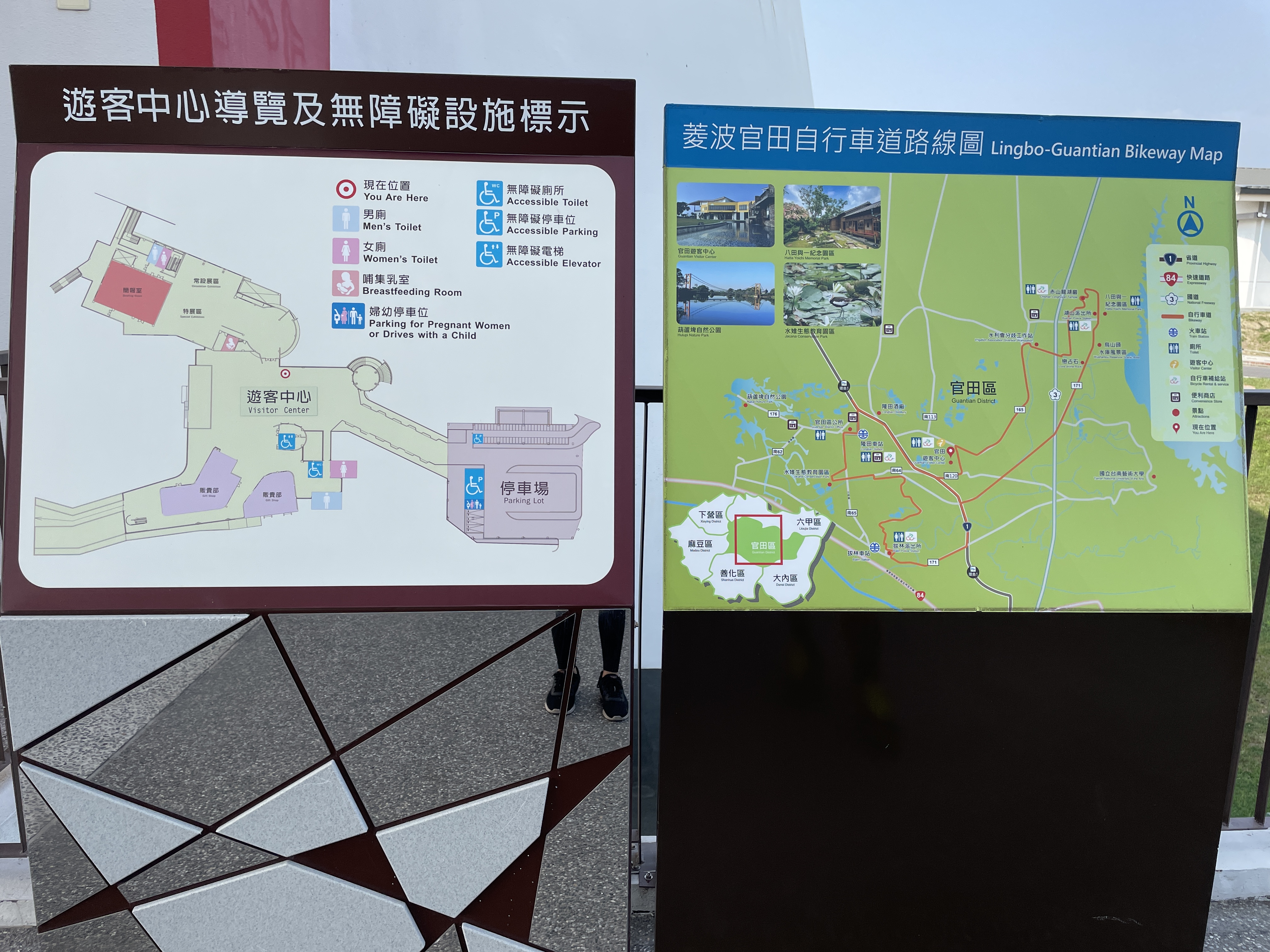
The Guantian Visitor Center, opened in August 2020, covers an area of approximately 11 hectares. The park's landscape combines elements of "village settlements" and the Siraya culture, depicting the terrain of the Jianan Plain. It serves as a new landmark for local tourism, connecting major scenic spots such as the Wushanto Interchange on National Highway No. 3, Batian Yoichi Memorial Park, and Wushanto Reservoir, thereby promoting local tourism. The building's overall design follows the traditional settlement style of the Siraya people facing the water. In addition to providing complete facilities, the center also showcases local agricultural special products for exhibition and sales.
Opening hours: Monday - Sunday; 09:00 – 17:00


Who are the Siraya people?

The Siraya (西拉雅; Xīlāyǎ) people are an indigenous group in Taiwan. They historically inhabited the flat coastal plains in the southwest part of the island, including areas now known as Tainan City and Taitung County. The Siraya consist of at least four communities: Mattauw, Soelangh, Baccloangh, and Sinckan, corresponding to the modern-day districts of Madou, Jiali, Shanhua, and Sinshih, respectively.

As Plains indigenous people (Pingpu), the Siraya inhabited flat coastal regions rather than mountainous areas. Like other indigenous peoples in Taiwan, they are ethnically and linguistically Austronesian. The name "Taiwan" originated from the Siraya language, which is part of the Austronesian language family. Taivoan and Makatao were previously considered Siraya communities but are now recognized as independent indigenous groups based on linguistic discoveries, cultural features, and the self-identification of these indigenous peoples.

After the Qing Dynasty annexed the port in the Siraya area of Taiwan in 1683, the Siraya language gradually fell out of use due to a process of acculturation. The last recorded regular use of the language was in 1908 during the Japanese rule of Taiwan. Most Siraya families adopted Hokkien Chinese as their mother tongue, while Japanese and Mandarin Chinese were learned in schools as the government-mandated lingua franca. However, despite the linguistic shift, the Siraya have maintained many aspects of their culture. Some families in Xinhua Township, particularly in Tso-chen, Kou-pei, and Chiou-chen-lin, still identify themselves as Siraya. The Siraya Culture Association was established in 1999, and the teaching of the reconstructed Siraya language began in schools in 2002. In 2005, the Tainan County government formed a Siraya Aboriginal Affairs Committee and funded the development of a glossary containing over 4,000 Sirayan words, which was released in 2008.

Traditionally, the Siraya lived in villages that were often in conflict with one another. Women were responsible for agriculture and religious activities, while men engaged in hunting, warfare, and decision-making. Married couples did not live together, with wives residing with their parents and husbands in men's quarters. If they wanted to see each other, husbands would have to visit secretly. The Siraya had a unique practice where most women did not have children until their mid-thirties. If a woman became pregnant before that, an abortion was usually performed by the village shaman. Many women underwent multiple abortions during their lifetime because the Siraya believed that childbirth and child-rearing had a negative impact on success in warfare. Consequently, childbirth was postponed until the husband retired from being a warrior, typically around the age of forty, and his wife was a few years younger, still having a few years of childbearing capacity.

On February 14, 2006, researchers from Taiwan's Academia Sinica announced that they had deciphered up to 80% of the Sinkang Manuscripts, a set of documents written in the Siraya language from the 17th and 18th centuries. These manuscripts were part of the Dutch missionaries' efforts to convert the Siraya to Christianity. The Dutch studied the Sirayan language, created a romanized script, and began translating the New Testament. Copies of the Dutch translation of the Book of Matthew into Sirayan have survived, and several manuscripts are bilingual, containing both Sirayan and Chinese versions.


Address:

720台南市官田區福田路99號

September 9, 2020

Tainan Travel: Soulangh Cultural Park - Xiaoyu International Art Village

Soulangh Cultural Park (蕭壠文化園區)

The Soulangh Cultural Park, also known as Xiaoyu International Art Village, is a notable destination in Jiali District, Tainan City, particularly suitable for families with children. During our visit, the park was not crowded, and its expansive grassland offered ample space for kids to run and play. The park features a tourist service center, a restaurant, an exhibition and sales hall, as well as a camping and barbecue area. These amenities, along with water, electricity, and toilet facilities, create a comfortable and convenient environment. It has become a favorite spot for both campers and general visitors.

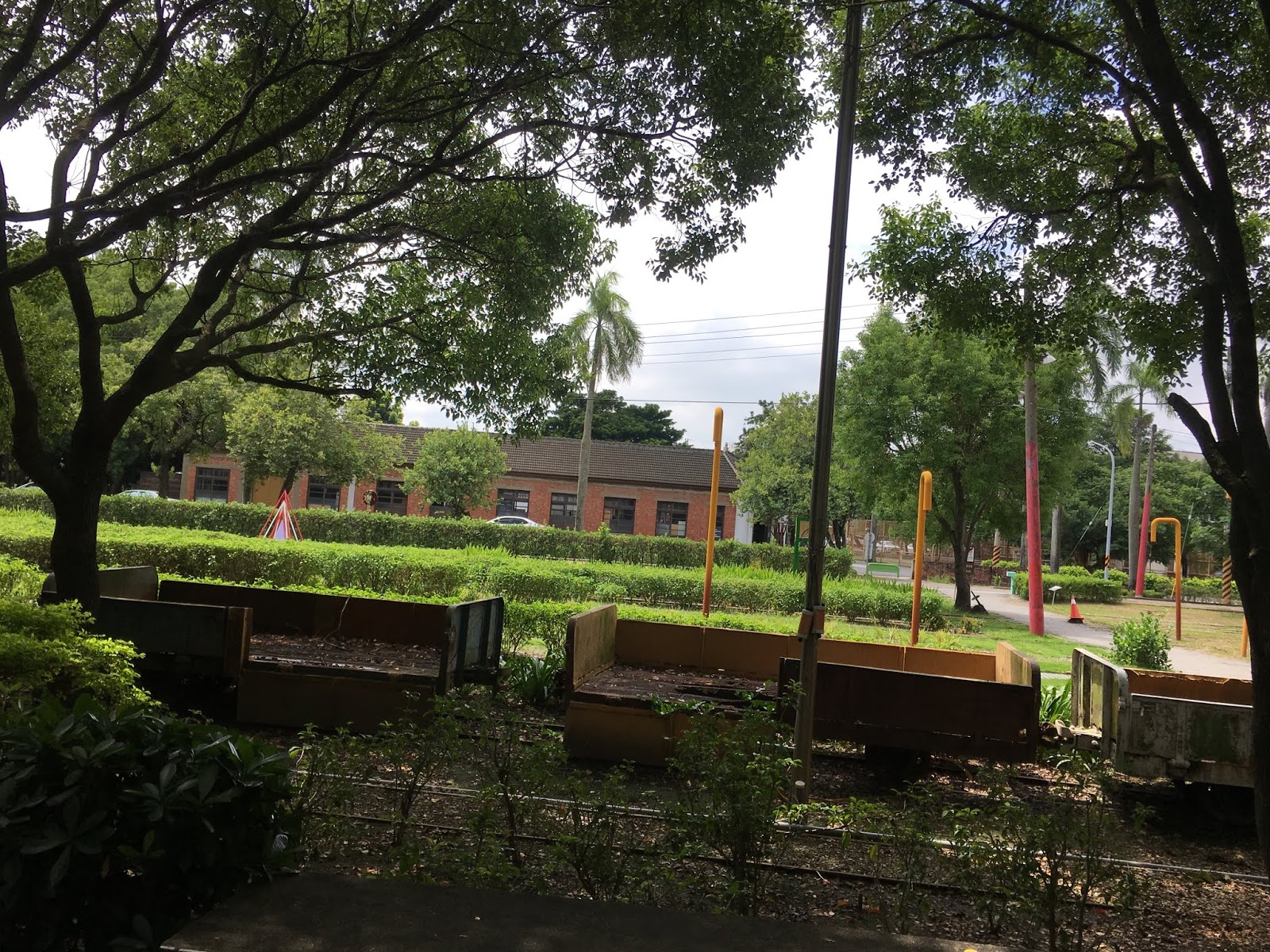
Originally, the park was the warehouse complex of the Jiali Sugar Factory, spanning a total area of 13.8 hectares. During the Japanese occupation, a series of 14 warehouses were interconnected by a train railway used to transport sugar. This unique historical feature, combined with the natural greenery surrounding the Jiali Sugar Factory, contributes to the park's charming rural atmosphere. After the warehouses fell into disuse, the park was established by the Tainan County Government as an ecological leisure park, offering a serene escape from urban life.

In 2003, the preparatory office of the Xiaoyu Cultural Park was established to renovate and repurpose the abandoned warehouse complex. The original appearance of the buildings was preserved, while efforts were made to enhance the natural environment through tree planting and landscaping. Various warehouse renovations and space transformations were carried out, resulting in each warehouse showcasing its own unique character. The park officially opened to the public in January 2005, breathing new life into the former sugar factory and transforming it into an art-centric hub.

Jiali Sugar Factory Culture Park, Tainan, Taiwan

Jiali Sugar Factory Culture Park, Tainan, Taiwan

Jiali Sugar Factory Culture Park, Tainan, Taiwan

Jiali Sugar Factory Culture Park, Tainan, Taiwan

Jiali Sugar Factory Culture Park, Tainan, Taiwan

Jiali Sugar Factory Culture Park, Tainan, Taiwan

Jiali Sugar Factory Culture Park, Tainan, Taiwan

Jiali Sugar Factory, once a thriving sugar production facility, ended its operations in 1998. Recognizing the potential of repurposing the idle space, the Cultural Construction Committee of the Executive Yuan listed it as a key governance project, promoting the concept of "Local Cultural Centers." The Tainan County Government designated the Jiali Sugar Factory as a premier site for transformation.

To support the development of the Xiaoyu Cultural Park, the then-county magistrate, Su Huanzhi, established the "Xiaoyu Cultural Park Project Consultant Team" comprising scholars and experts. In 2003, the Tainan County Government signed a land lease contract with Taiwan Sugar Company, initiating the park's construction. The 14 warehouses were transformed into ten exhibition halls and four public facilities, operating as spaces for public use.

Since its opening in 2005, the park gained recognition through the hosting of two consecutive World Candy Culture Festivals, showcasing the sugar industry as its backdrop. Subsequently, it co-organized major events like the Taiwan Design Expo in 2006. The park has also hosted various thematic exhibitions and provided display spaces for individual artists and students, contributing to its vibrant atmosphere.
In 2013, the Tainan Municipal Government Cultural Bureau launched the Xiaoyu International Art Village Project, inviting artists from Taiwan and other countries to engage in creative activities within the park.

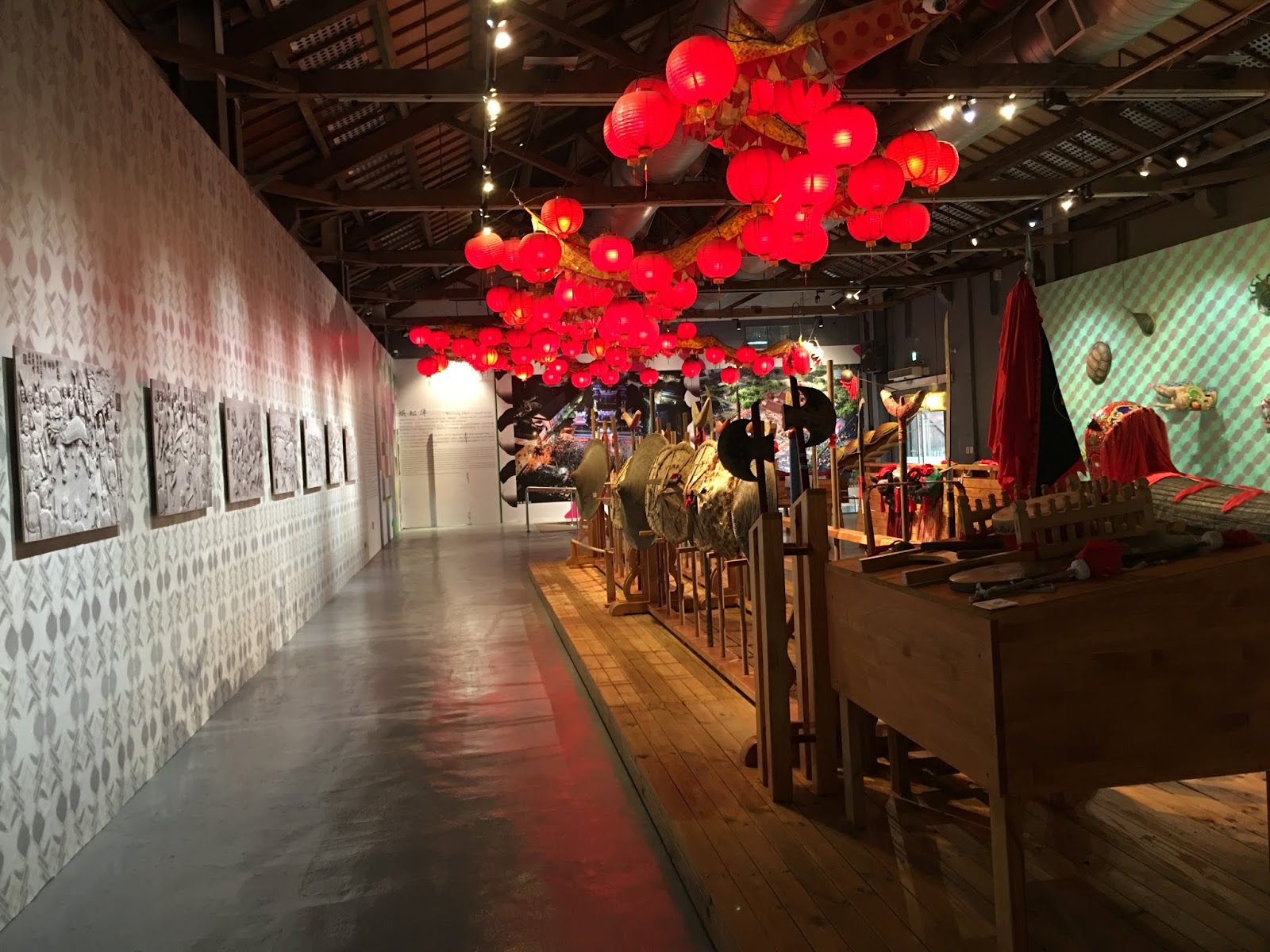
Within the Soulangh Cultural Park, visitors can also explore the Silaya Pingpu Culture Museum, which highlights the life and history of the Silaya people, the most populous group of the native Pingpu population. The Tainan Art Gallery, designed in the theme of temple festivals, offers a reproduction of unique temples in the Tainan area. It also houses the Jialixing Zhenxing Palace clay sculpture group, which boasts a history of over 300 years. Additionally, the park features the Xiaoyu Children's Library, which was established through public participation and officially opened in October 2009, offering a wide range of books and fostering a love for reading among children.

Aligned with the Ministry of Culture's subsidy program for operating art villages, the Tainan Municipal Government Cultural Bureau engages with residents through art workshops and various exhibitions, nurturing a population interested in arts and culture in Tainan. Since 2013, artists have been applying to the village, and international art exchanges are facilitated, providing professional artists with a dedicated space within the Xiaoyu International Art Village.

Jiali Sugar Factory Culture Park, Tainan, Taiwan

Jiali Sugar Factory Culture Park, Tainan, Taiwan

Jiali Sugar Factory Culture Park, Tainan, Taiwan

Jiali Sugar Factory Culture Park, Tainan, Taiwan

Jiali Sugar Factory Culture Park, Tainan, Taiwan

Jiali Sugar Factory Culture Park, Tainan, Taiwan

Jiali Sugar Factory Culture Park, Tainan, Taiwan

Jiali Sugar Factory Culture Park, Tainan, Taiwan

Jiali Sugar Factory Culture Park, Tainan, Taiwan

Jiali Sugar Factory Culture Park, Tainan, Taiwan

Jiali Sugar Factory Culture Park, Tainan, Taiwan

Jiali Sugar Factory Culture Park, Tainan, Taiwan

Jiali Sugar Factory Culture Park, Tainan, Taiwan

Jiali Sugar Factory Culture Park, Tainan, Taiwan

Jiali Sugar Factory Culture Park, Tainan, Taiwan

Address:

722台南市佳里區六安130號蕭壠文化園區