Showing posts with label Huwei (虎尾). Show all posts

June 21, 2025

Yunlin Travel: Discovering Tranquility and Tradition at Chih-Fa Mazu Temple


Travel Date: 2025/05/31

Nestled quietly amid the green fields of Huwei Township in Yunlin County, Chih-Fa Mazu Temple (持法媽祖宮) is a peaceful haven unlike any other. While it may not boast the grandeur or fame of Beigang’s Chaotian Temple, it more than makes up for it with authenticity, elegance, and mindful simplicity. There are no glittering golden roofs or lavish decorations here - just a heartfelt tribute to Mazu, the beloved sea goddess, set apart from the crowds and surrounded by serene farmland.

Open year-round, Chih-Fa Mazu Temple offers a calming spiritual environment, but it holds a special surprise during the Lunar New Year. From the 1st to the 4th day of the lunar calendar, two extraordinary areas open their gates to the public:
The Dressing Pavilion Garden (梳妝樓園區), a beautifully imagined space that reflects Mazu’s youth, with items like a traditional dressing table thoughtfully arranged to express her early, human life.
The Stone Sculpture Mazu Garden (石雕媽祖園區), which illustrates Mazu’s ascension to divinity. Visitors enter through a path lined with stone carvings of historical figures and blooming osmanthus trees, eventually encountering a hidden giant stone Mazu and a striking 10-meter-tall statue of Wu-De, the God of Wealth.


Set across more than two hectares, the temple is designed in the elegant style of a Jiangnan classical garden - complete with flowing water, arched bridges, pavilions, and scenic walkways. The architecture blends natural serenity with human artistry, featuring Koji ceramics (交趾陶) and vibrant murals that celebrate the depth of Taiwan’s Mazu culture. The entire space invites reflection and reverence without the distraction of loud rituals or ornate excess.

What makes Chih-Fa Mazu Temple truly special is its dedication to tradition, craftsmanship, and sustainability. Built by a group of devoted Mazu followers—guided, they believe, by divine instruction - the temple adheres to classical Taiwanese architectural principles. Highlights include:
- Ceramic details by Master Kuo Chih-Lang, inspired by traditional water wheels
- Vivid guardian paintings by Master Liu Chia-Cheng
- Intricate wood and stone carvings, crafted with elegance and cultural depth

The temple also stands out for its environmentally conscious practices. Unlike many temples, Chih-Fa does not permit joss paper burning and encourages minimal incense use. Their message is clear:
”One stick of incense per censer is enough. Sincerity is what truly matters.”
As a result, Chih-Fa Mazu Temple is considered one of the most eco-friendly religious sites in Taiwan, blending ancient tradition with modern environmental awareness.

During the holiday period, visitors can participate in a variety of symbolic and joyful rituals that offer both spiritual meaning and festive fun:
- Blessing Rice Balls (吃紅圓): Enjoy sweet red glutinous rice balls, symbolizing happiness and completeness.
- Peace Bridge Walk (過平安橋): Cross a ceremonial bridge as 108 celestial generals and 28 constellations are invoked to bless the year ahead.
- Treasure Pot Draw (吉祥聚寶盆): Reach into a pot for a lucky charm or symbolic item representing wealth and good fortune.
- Fortune Candy (喜童發喜糖): Children distribute candy to share joy and blessings.
- Tangerine Divination: Toss divination blocks to receive a lucky tangerine from Mazu, symbolizing great fortune.
- God of Wealth Red Envelopes: Ask for a red envelope from the God of Wealth - if the blocks fall right, you may just receive a symbolic token of prosperity.

Whether you're drawn by faith, art, or a desire for peace, Chih-Fa Mazu Temple offers a uniquely human, artistic, and spiritual journey. Especially during the Lunar New Year, it becomes a living tapestry of Taiwan’s rich cultural and religious traditions - a place to pause, reflect, and embrace blessings for the year to come.


February 14, 2024

Navigating the Chills of Lunar New Year in Taiwan: A Cold Reality

As the Lunar New Year approaches, families across Taiwan prepare for a week of festivities, reunions, and traditional celebrations. While this festive season holds significance for many, for me, it's often a time of mixed feelings, particularly when it involves venturing to my husband's hometown.

Let me paint you a picture: the holidays span seven days, during which we typically venture back to my husband's family home. Yet, the prospect of spending extended time there isn't exactly my idea of a holiday paradise. Past experiences have taught me that such visits often culminate in heated arguments and uncomfortable tensions. Nevertheless, this year, we embarked on our journey on Friday, the 10th of February, only to return two days later, on Sunday the 12th.
Why the abrupt departure, you ask? Well, blame it on the uninvited guest that arrived alongside the festivities - a cold front that sent temperatures plummeting to a bone-chilling 17 degrees Celsius indoors! To put this into perspective, our cozy apartment is typically maintained at a comfortable 22-23 degrees Celsius thanks to our trusty heater. But this sudden drop in temperature left us shivering in our boots, quite literally.

And it wasn't just the cold that made our stay unbearable. Simple tasks like showering became a dreaded ordeal, with our son shaking and crying. Even after braving the shower, he suffered from nosebleeds throughout the night - a phenomenon unheard of back home in our warmer abode. Add to that complaints of stomach pain, and it became clear that the harsh environment was taking its toll on our well-being.
Yet, despite our discomfort, attempts to address the issue fell on deaf ears. Instead of acknowledging the cold as the culprit, my husband suggested that our son's ailments were due to not wearing a mask - a notion that only served to stoke my frustration further.

In an effort to mitigate the discomfort of previous visits, we had purchased two extra heaters, supplementing the existing ones in each room. The intention was simple: ensure that every corner of the house was equipped with a source of warmth. However, it seemed to have little impact, as the heaters remained unused and virtually forgotten!
For me, the prospect of enduring such cold was simply unacceptable. Having experienced indoor temperatures plummeting below 15 degrees Celsius in the past... And while my husband may accuse me of "ruining" his holidays, the truth is that no one was spared from the cold - not even him.
In a desperate attempt to cope with the cold, my husband resorted to skipping showers altogether, a sacrifice he deemed necessary to avoid the discomfort. Meanwhile, my son and I soldiered on, braving weak water pressure and shivers.

Our visits to other family homes during this time painted a similar picture - old, poorly insulated houses with temperatures that mirrored the outdoors. Research revealed that maintaining indoor temperatures between 20-24 degrees Celsius during the winter months is advisable in Taiwan, yet little seemed to have changed over the seven years we've been making these trips.
If it weren't for our son, I'd seriously consider skipping these visits altogether and staying in the warmth of our own home. But alas, duty calls, and so we endure, braving the cold and culinary disappointments (thanks to my in-laws' lackluster cooking skills and being vegetarian).

In conclusion, if you're dreaming of relocating to a warm, winter-free paradise, let me offer you a word of caution: Taiwan may not be the tropical haven you envision. With temperatures dropping to a chilly 3 degrees Celsius for three consecutive days recently, even the thought of enduring the cold sends shivers down my spine.
And spare a thought for the children in kindergartens across Taiwan, bundled up in winter jackets for eight hours a day - a discomfort I can only imagine. As winter rolls around each year, I find myself yearning for the warmth and comfort of my homeland, Poland, where even the chilliest outdoor adventures are followed by the blissful warmth of indoor heating.
So, to all the winter dreamers out there, heed my advice: while Taiwan may boast tropical temperatures for much of the year, its winter chill is not to be underestimated!

The remainder of the holidays wasn't particularly enjoyable either. On Monday, we had planned to visit the zoo, but the traffic was so congested that we were forced to abandon the idea. Instead, we found ourselves in the mountains around Hsinchu, and we spent the next two days simply staying at home. However, on the bright side, the weather improved, and it appears that the upcoming weekend will be quite warm, with temperatures reaching as high as 28 degrees Celsius. The farther south, the better! 
We're feeling lucky that the upcoming weekend will take us to Tainan, just in time for the lantern festival. We're going a week earlier than the actual event this year. This yaer the biggest event is happening right in Tainan! It's quite funny how when we lived in the south, the festival was held in the north, and now that we're in the north, it's taking place in the south.

My dream is to relocate back to the south – perhaps Tainan or even Kaohsiung – for milder winters. I can easily tolerate the summer heat, especially after living in Tainan for three years. However, upon moving back north and residing here for a longer period, I fear that the summers may become unbearable for me once again. Although it feels cooler in Miaoli, I despise the winds here.

Here is a glimpse of the only pictures we managed to take during our trip - a visit to Nongbo Park at night for a lantern display. Though it wasn't much, the beauty of the lanterns illuminated the darkness and added a touch of magic to our chilly Lunar New Year adventure.


January 13, 2024

The Arrival of Orange-Colored Bald Cypress Trees - Yunlin Travel


Travel Date: 2024/01/06

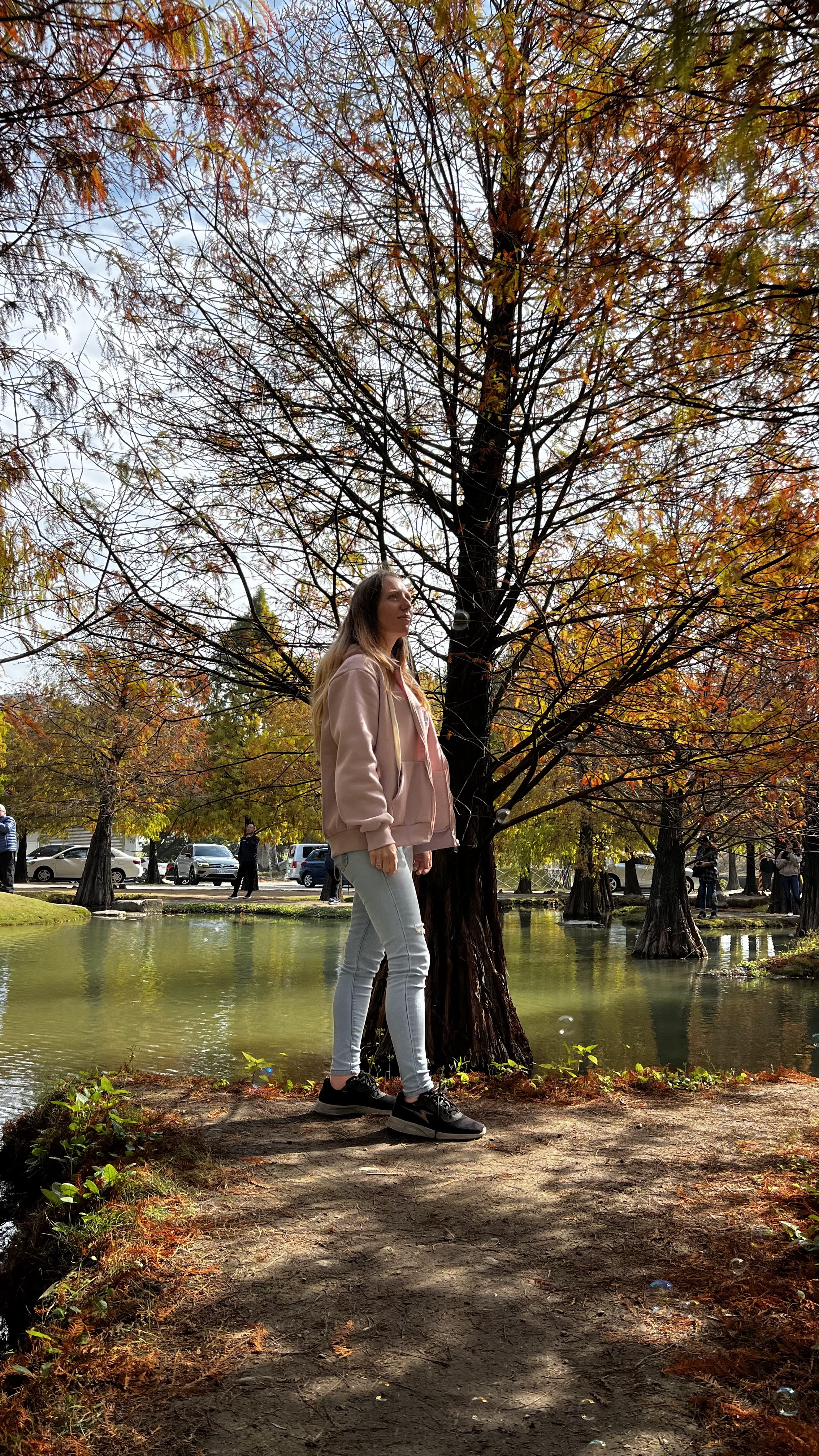
We returned to Yunlin, and since it's the cooler season, it's the best time to see bald cypress trees. Although we've visited here many times before, we still stopped by because the weather was great that day. It was 26 degrees Celsius in Yunlin, much warmer than in Miaoli, so we sought refuge from the cold weather here. Since starting our YouTube channel, we also search for opportunities to record videos. Having been to Douliou before, we stopped by here to capture one more video.

I believe my YouTube channel isn't that bad, considering it's growing in subscribers. The only struggle is that it's half travel and half food recipe related, so not everyone may want to subscribe, unsure of when to expect each type of video. Making food is probably a lot easier since I cook every day, providing more opportunities to record something. However, when it comes to travel-related content, we only have weekends, and not every weekend will be spent exploring, making it a bit challenging.

In Huwei, there's a must-visit spot called Qingpu Bald Pines Secret Land, located near the Huwei sugar factory. Despite its small size, this area is a popular destination, attracting individual visitors and tour buses alike. Fortunately, we were blessed with fantastic weather, enhancing the beauty of the changing foliage.
We also explored another spot, only to discover that it now charges a 100NT entrance fee. While the location is undoubtedly gorgeous, I feel that the fee might be a bit steep solely for admiring trees and capturing pictures, especially when there are numerous free spots around Huwei featuring bald cypress trees. Nevertheless, the garden attracted many visitors despite the fee.

Welcome to also check out my video:


December 27, 2023

Harvesting and Transporting Sugar Cane: Century-old Train in Yunlin, Taiwan


Travel Date: 2023/12/24 

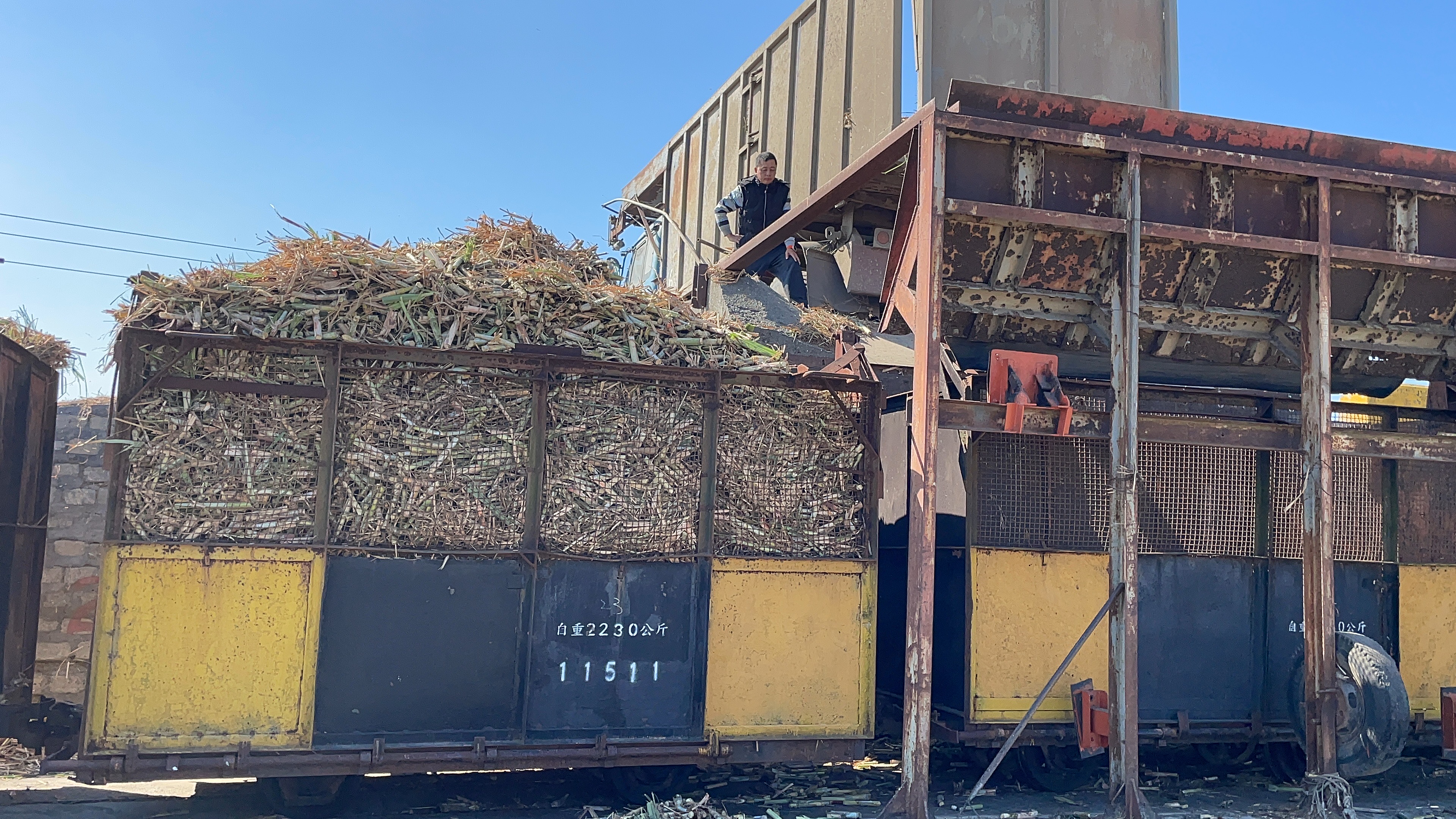
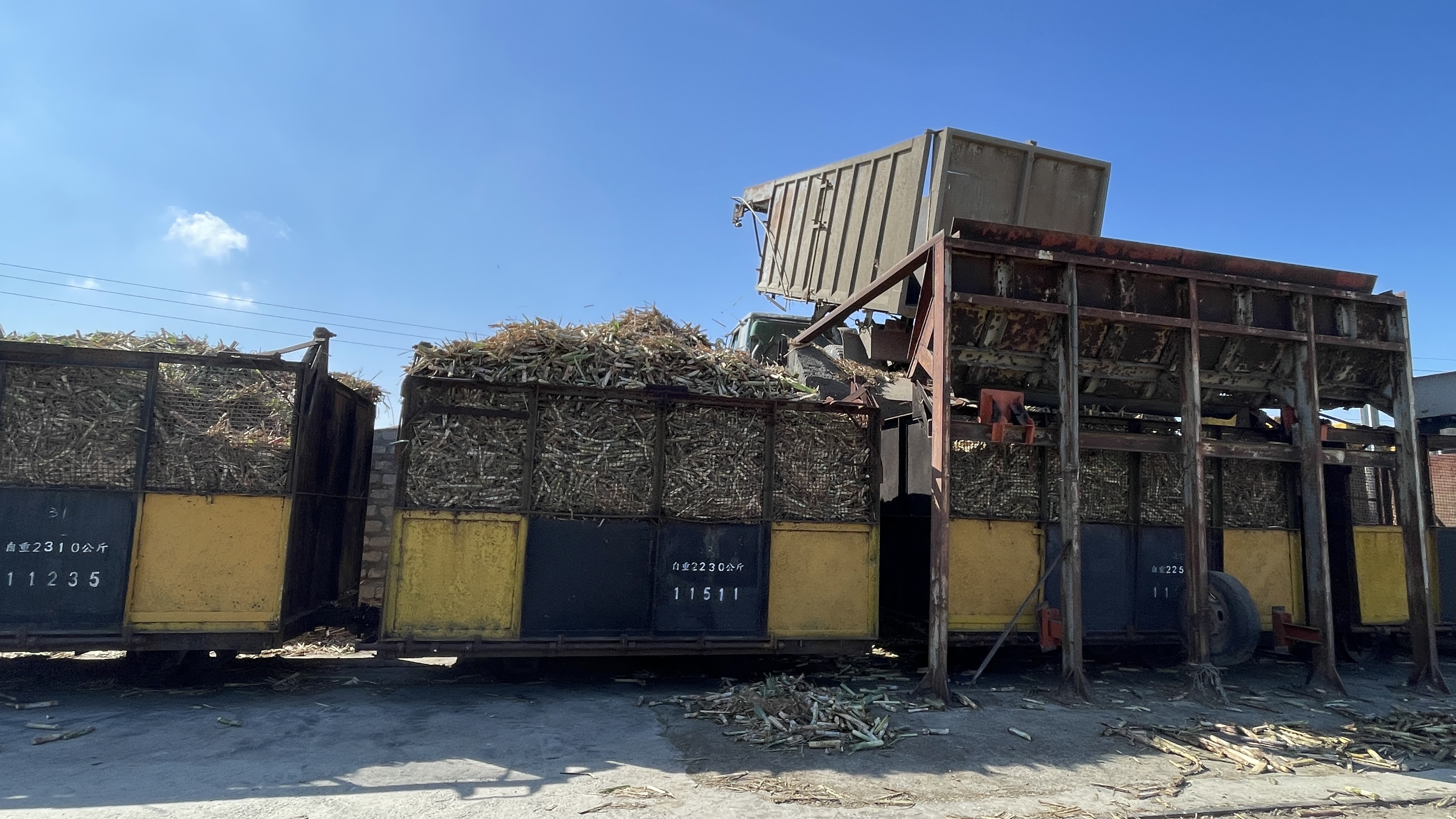
Despite the chilly weather, we embarked on a journey to document the process of harvesting and loading sugar cane in Baozhong. Our stops were stations 10 and 9 (10番裝車場), where we hoped to witness the iconic sugar cane train in action. The last operational sugar cane train in Taiwan continues its route from Beigang to Huwei, offering a unique glimpse into the sugar cane industry. The train operates between December and March, possibly extending into early April. We chased it through fields and waited in town to witness its passage—a yearly tradition for us!

Check out my video:


Now, let me share more about the sugar factory. Established in 1907 during the Japanese occupation, Huwei Sugar Factory played a significant role in Taiwan's sugar industry. Remarkably, the factory is still involved in the sugar business, being one of the two remaining sugar factories in operation. Shanhua Sugar Factory in Tainan is the other one. Unfortunately, the sugar factory cannot be visited, but there are still Japanese dormitories left and other attractions in the town. I've covered the topic in my other posts, so for more information, check here [LINK].

Today wasn't our lucky day, as no matter where we arrived, we had to wait for a long time. Since it was noon, it was their lunch break, and time for maintaining the sugarcane harvester. We spent about 4 hours in the fields waiting for the train to come and sugar canes to be harvested. As we waited there for quite a long time, during noon, their resting time, we also had the chance to try sugarcane straight from the farm. It was nice, sweet, and juicy, but biting into it was quite tough.

If you want to come here and see it for yourself, you have to be patient, as the timings of the train and which station it will stop at depend on the harvest that day, so there is nothing certain. I can only tell you roughly that the first train we saw was around 10 am, and another came around noon. As we got to know, the train runs 6 times a day, so it shouldn't be that difficult to see it.


We also went for lunch in a nearby village called Maguang and ate at the beef noodle shop. The flavor is fine, but I feel like the beef noodle portion is quite small for the price compared to other places in Huwei. When we were living in Huwei back in 2017, I would often hear the sound of the train early in the morning. The places have changed since then; for example, the Jianguo Military Village has been refurbished. I'm still waiting for it to be finished as there are still some things being built, so I'll introduce it more after that.
There were also some Christmas decorations at the National Formosa University


November 26, 2023

Yunlin Travel: Silk Floss Trees 2023


It's silk floss tree blooming season. We are in Yunlin for the weekend, so we also took a walk along the road near Nongbo Park in Huwei to see the beautiful trees. We came here both during the daytime and nighttime for different views. During the weekend, there is also a small market and some events organized, selling agricultural products, and a very limited selection of meals. You can also rent Japanese clothes to take some shots. This place is near Yunlin high-speed railway, so if you plan on visiting, that's probably the easiest way to get here. There were plenty of flower buds on the trees, so it seems like the best flowering period is coming and usually lasts until the end of December or early January. At night, the place is lit up with different light decorations. It's also nice to visit, although you can't spot that many flowers.