Travel Date: 2020/06/20~06/25
Our almost one-week-long holiday took us to the eastern part of Taiwan, exploring Yilan, Hualien, and Taitung. We started our journey by heading north from Tainan and made a stop at Fulong Beach in New Taipei to experience the Sand Sculpture Festival. The drive took us approximately 4 hours. From there, we continued to Yilan, where we visited various attractions such as Toucheng Town, Brick Kiln, Wine Museum, Confucius Temple, night markets, and the Nanfangao Lookout. We spent two enjoyable days exploring Yilan before moving on to Hualien.
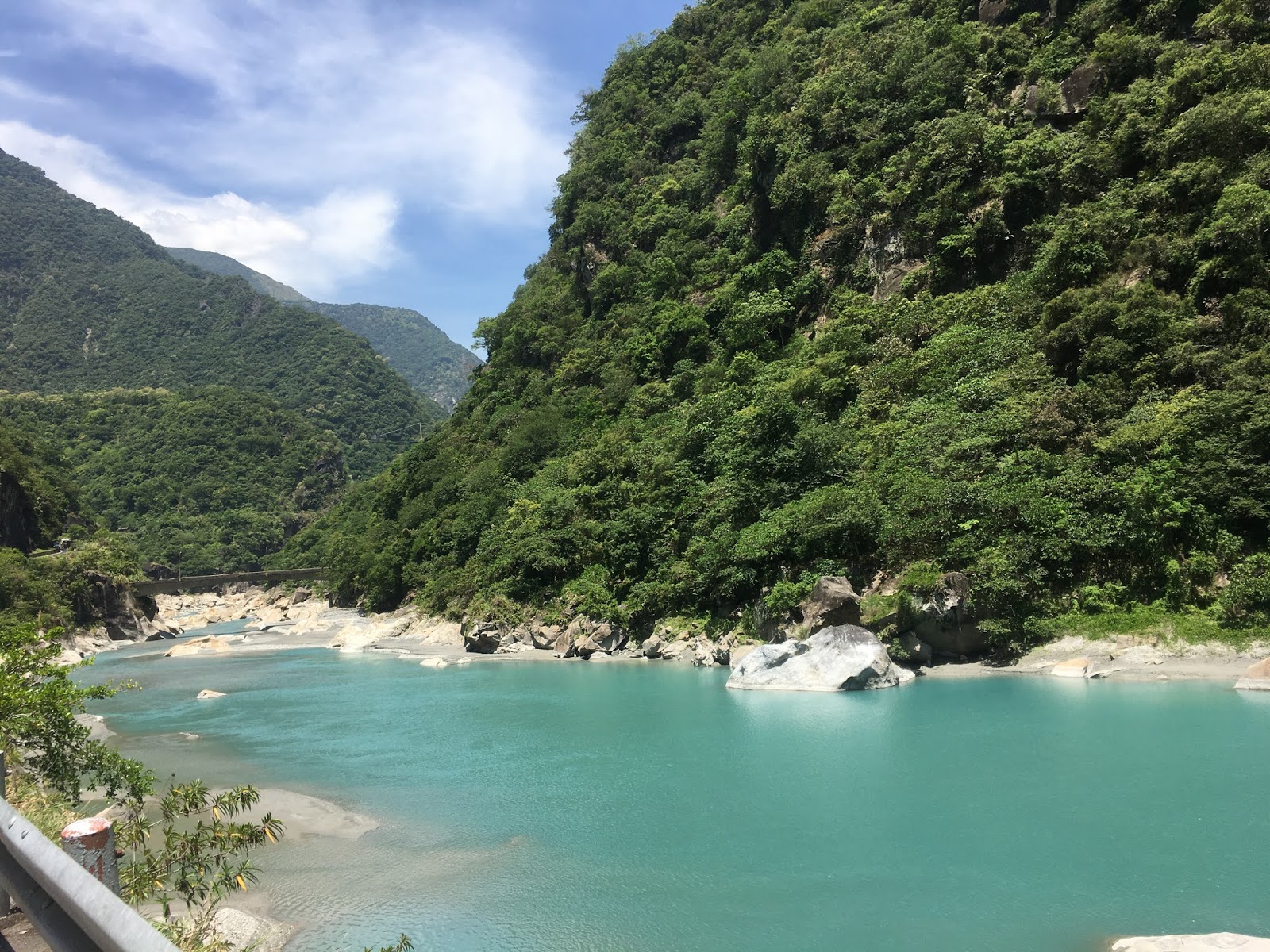
During our visit to Hualien, we had the opportunity to experience the breathtaking Taroko National Park for the first time. The scooter ride along the winding roads next to the tall cliffs felt a bit thrilling but was absolutely worth it for the stunning views. We also explored some of the Japanese remains in Hualien, including the Manor House and Pine Garden. Although I personally feel that Hualien may be slightly less captivating than Yilan or Taitung, we still enjoyed our time there.
On our way to Taitung, we made a stop at a beautiful waterfall and also visited Luye Highlands. As we typically visit Taitung more frequently, we didn't plan to stay there this time and decided to drive back to Tainan. However, as it coincided with the beginning of a long weekend, accommodations were fully booked, and traffic started to get heavier. If you're interested, I have many posts introducing other attractions in these three counties, so feel free to check them out. The eastern part of Taiwan is truly a beautiful region to explore.
~ ~ ~
On the forth day, we drove from Hualien City to Xincheng Train Station to rent a scooter nearby. It was our first time visiting Taroko National Park, and it truly left us amazed, albeit sometimes a little scary. I have a fear of heights, so at times I couldn't fully appreciate the views or take pictures. Even in photos, it's challenging to capture the true beauty of this place. The gorge, the river, and the old road—all together create a truly breathtaking experience.
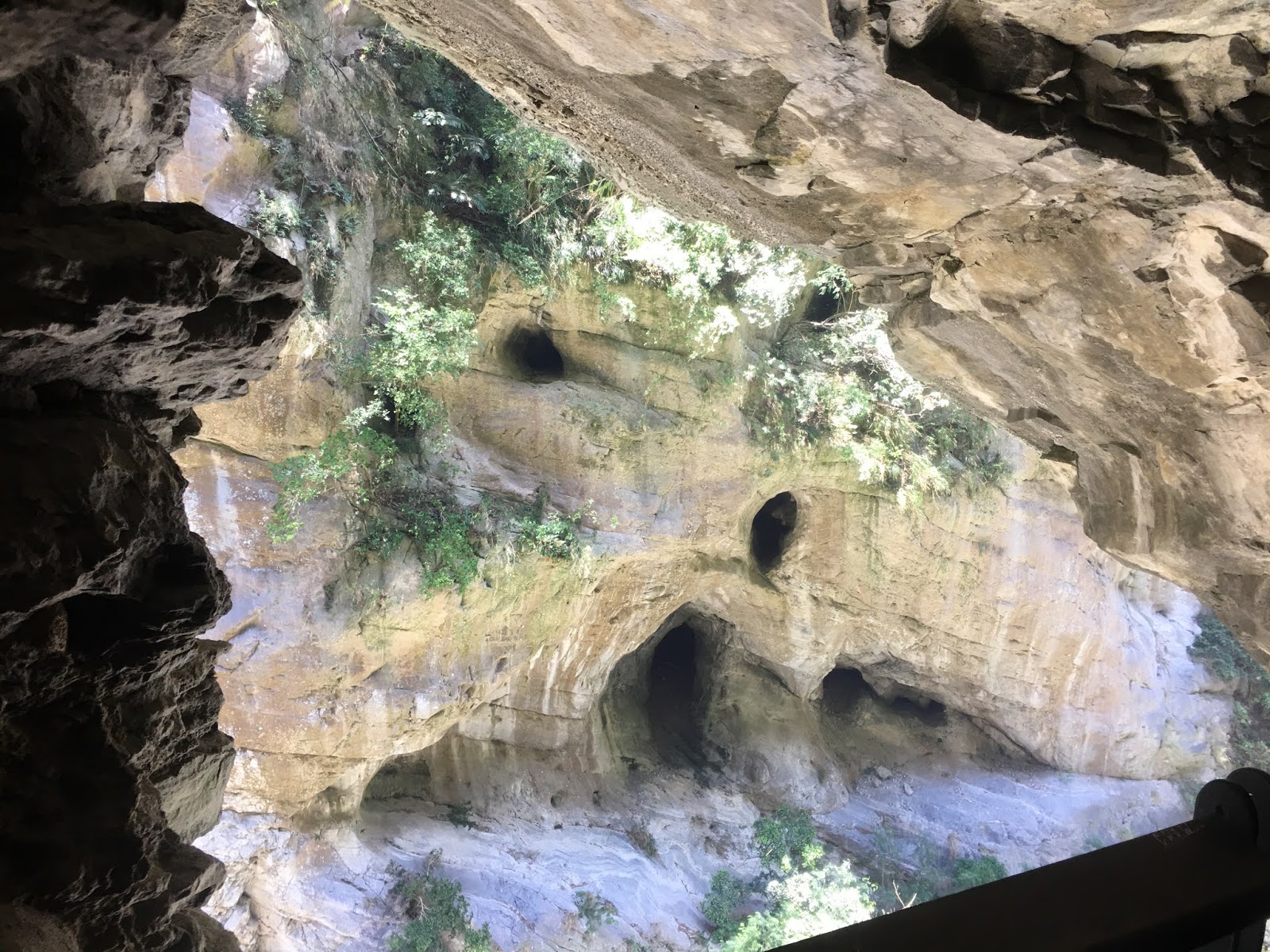
The drive took us about 6 hours round trip, and I felt like there was still so much more to see. We visited Swallow Grotto, which was not easy to capture in photos due to its tall canyon walls. I was too afraid to get closer to the fence and showcase the beautiful river below. We also stopped at an old road, where most places in Taroko have warnings about falling stones. At a few stops, we were able to borrow safety helmets. We also ventured onto a trail that led to a curtain waterfall. Initially, we didn't realize how long the trail was—it ended up being 4 kilometers long. It wouldn't have been a big deal if the weather hadn't been so hot, and I hadn't been carrying my 2-year-old child the whole day. The waterfall was actually inside a tunnel, and visitors were advised to wear raincoats before entering. Finally, we visited the famous Changchun Shrine, where a waterfall flows from it.
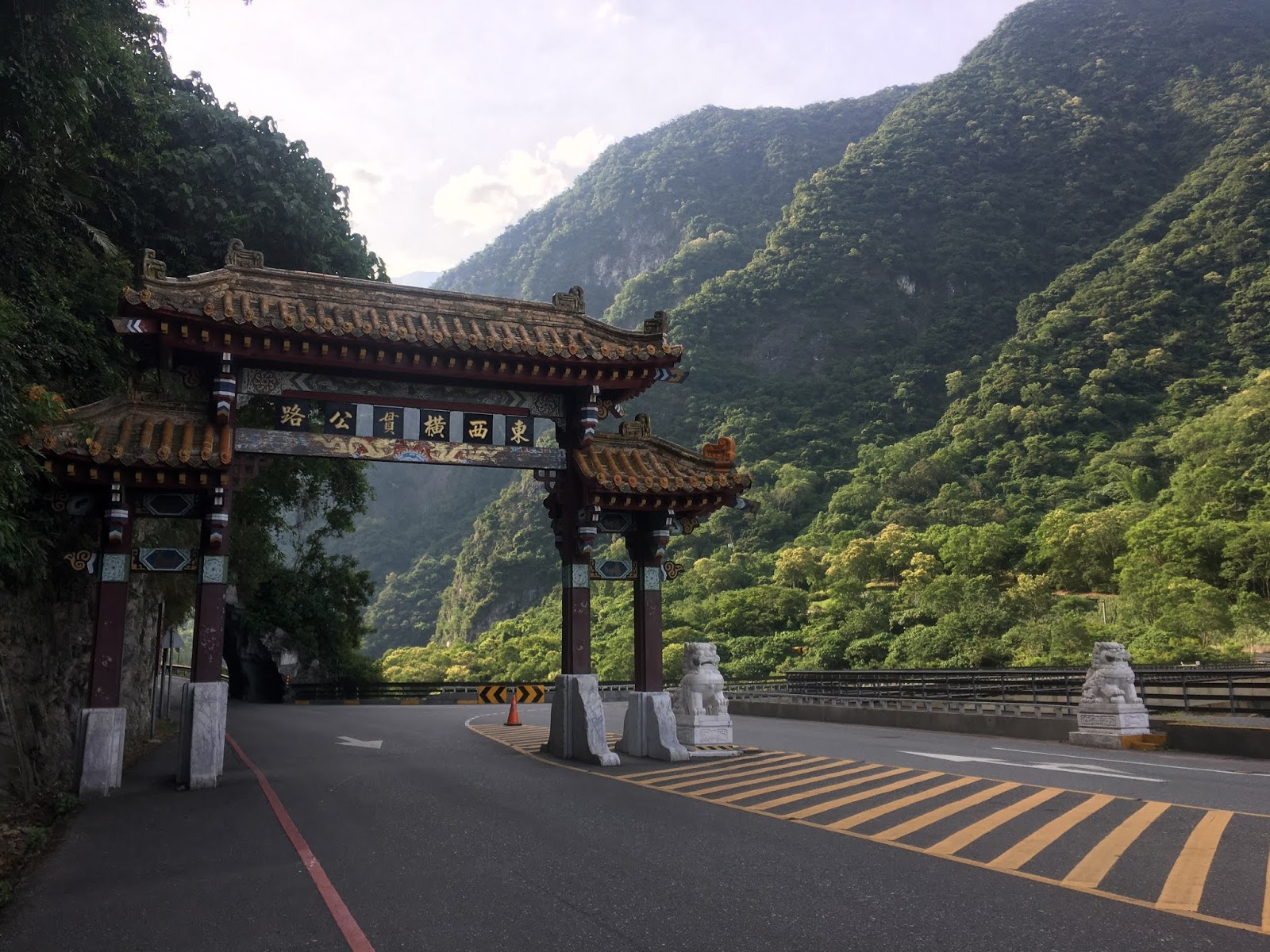


Taroko National Park (太魯閣 國家公園)
Taroko National Park is the fourth national park established in Taiwan. It's located in the eastern part of Taiwan, spanning across three administrative regions: Hualien County, Taichung City, and Nantou County. It was originally established as the second-high Taroko National Park during the Japanese occupation from 1937 to 1945. After World War II, it became a nationally recognized scenic spot.
Taroko National Park is renowned for its canyons, steep cliffs, and beautiful scenery. The Taroko Gorge is one of the eight scenic spots in Taiwan. Additionally, the park's mountainous area retains many remnants of the ice age, such as mountain pepper fish.
The term "Tarokit" originally referred to one of the three groups of the Seidke tribe (formerly classified as the Atayal Saidekaya): the Taroko Group (Delugu), Toze Group (Toda), and Tgdaya. Around the 16th century, some tribes migrated from Nantou to the Liwu River and Mugua River areas of Hualien. The inhabitants of Hualien began identifying themselves as "Tarokits." During the Japanese occupation period, the area was referred to as "Taroko" (Tarouge), and the term "Tarokit" was associated with the Taroko people living there.
The origins of the Taroko National Park project can be traced back to the Japanese occupation period. On December 27, 1937, the National Park Committee of the Governor's Office of Taiwan announced the establishment of the "Second High Taroko National Park," which included the current Snow Mountain and Taroko Pavilion, covering an area of 270,000 hectares. The park was abolished at the end of the Japanese occupation period. In 1979, the Executive Yuan approved the "Taiwan Comprehensive Development Plan," which designated Taroko District, Dahengling, Hehuanshan, and the Suhua Highway as national parks and national road parks. The park was officially defined in 1984, and the Taroko National Park project was announced in 1986. The park spans approximately 38 kilometers from north to south, 41 kilometers from east to west, and covers an area of 92,000 hectares.
Taroko National Park is adjacent to the Pacific Ocean on the east and is traversed by the northern section of the Central Mountain Range. The highest point in the park is Nanhu Mountain, reaching an elevation of 3,742 meters. The alpine frigid area above 3,000 meters accounts for 7.2% of the park's total area, while the temperate mountainous areas between 1,000 and 3,000 meters account for 78.4% of the park.
Taroko National Park is characterized by a V-shaped marble gorge with a depth of over 1,000 meters. The thickness of the marble rock exceeds 1,000 meters, and its distribution range spans over ten kilometers.
According to surveys, the park is home to 1,517 animal species. There are at least 46 mammal species, accounting for approximately half of the mammals found in Taiwan. Among them, 15 species are endemic to Taiwan, with the Taiwanese mouse being the most widely distributed. The park also boasts at least 173 bird species, including 24 endemic species in Taiwan. Additionally, there are at least 15 amphibian species, representing half of Taiwan's amphibians, and at least 34 reptile species, accounting for about one-third of Taiwan's reptiles. The mainstream of the Liwu River and its tributaries are home to 21 species of stream fish, including four endemic species. The park is also inhabited by at least 1,150 insect species, with at least 239 butterfly species and 28 endemic species in Taiwan.
Approximately 75% of the park is covered by forests, with natural forests constituting the majority. The largest area is occupied by evergreen broad-leaved forests with widths exceeding 2,000 meters and heights exceeding 300 meters. A total of 2,093 plant species have been recorded in the park.
In 2000, Taroko National Park Management hosted the first Taroko Gorge Marathon, which has become a well-known marathon event in Taiwan. It is held every November and attracts more than 10,000 participants. The Taroko Gorge Music Festival, established in 2002, has also become an important annual music event in eastern Taiwan. To promote mountaineering education, the Taroko National Park Management Office established the National Park Mountaineering School in 2010, with training and activity bases located within the park.




Changchung Shrine (長春祠)
Changchun Shrine, located in Xiulin Township within Taroko National Park, was built to enshrine the construction of the No. 8 Line Zhongheng Road by the engineering staff. Due to the challenging work on the Zhongheng Highway project, casualties occurred. To honor their spirits, the Taiwan Provincial Highway Bureau built the temple in 1958.
The Changchun Shrine is built in the style of Chinese classical Tang Dynasty pavilions and is embedded into the mountain walls to blend with the surrounding terrain. The temple is delicate and solemn, with fresh spring water emerging from the mountain wall, forming a flowing waterfall. Circular walkways provide opportunities to enjoy the canyon and its meandering views. Behind the shrine, there is a stone staircase with 380 steps that leads to Guanyin Cave.