January 11, 2021

Tainan Travel: Plums Blooming - Meiling Scenic Area

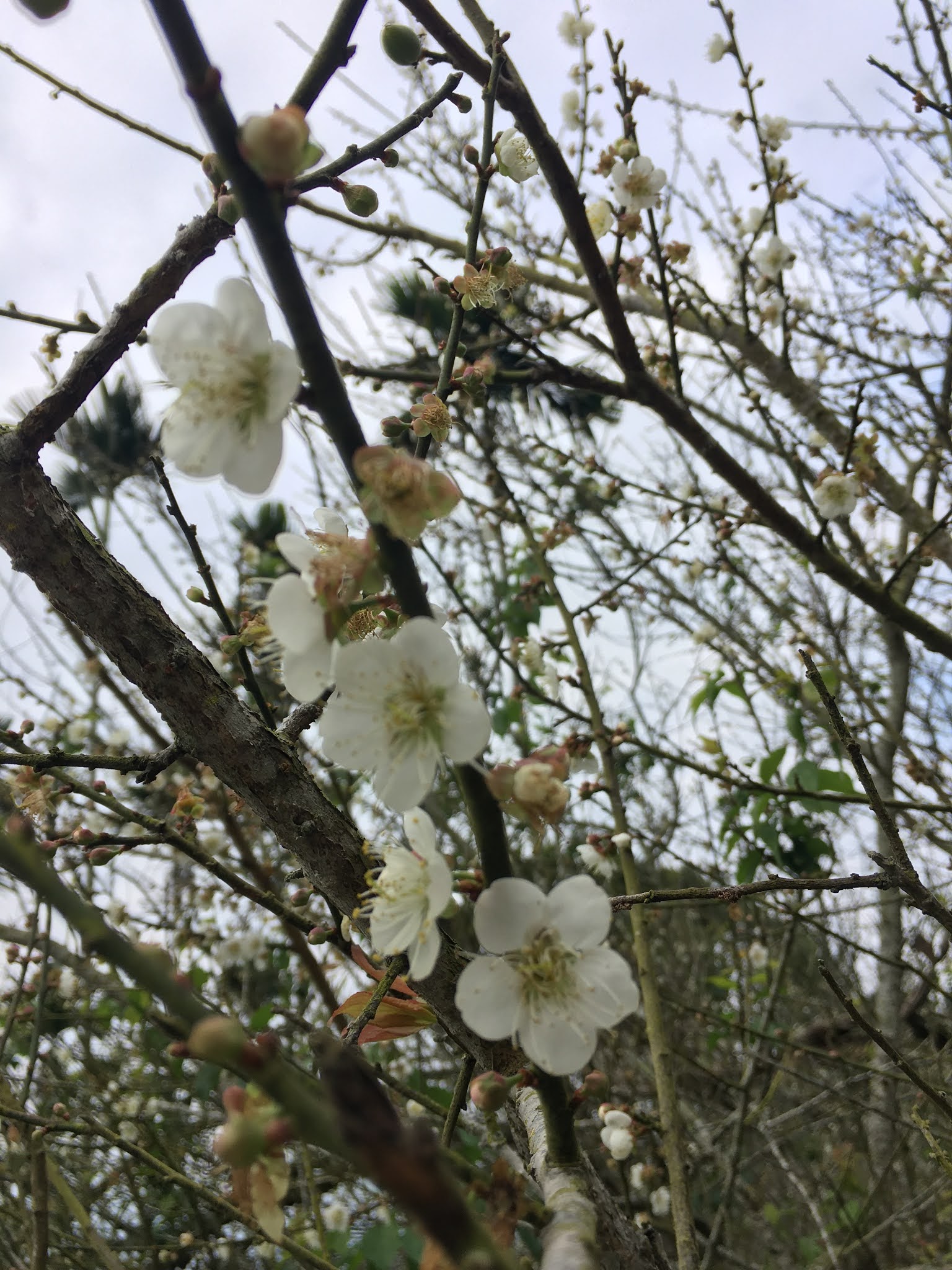
This year, we also visited the Meiling Scenic Area to see the plum blossoms. Unfortunately, it was a cloudy day, not ideal for taking pictures. Instead of riding scooters, we drove a car this time since it was a long distance and the weather felt colder compared to last year. It seems like we came a little too early this year as the plum trees hadn't fully bloomed yet. Only a few trees had half-opened flowers, while others had only a few single flowers. Before we went, I checked the news and saw only one picture showing the most blooming tree (remember not to trust everything you see). Even though it was a Monday, there were quite a lot of people, mostly elderly individuals.

Meiling Scenic Area (梅嶺風景區)

Meiling Scenic Area (梅嶺風景區) is situated in the bay hills of Nanxi District, ranging from 500 to 1100 meters above sea level. It is an open mountain area with various trails at different levels. Each season brings its own beauty to this area. In winter, you can witness the mountains covered in plum blossoms. The blooming period usually starts in mid-December and continues until January of the following year. Summer is the season of fireflies, and the Wulong Trail is particularly lively during this time. Spring and autumn are the most pleasant seasons in Meiling, as the hiking trails are adorned with flowers, and the favorable climate attracts many hikers. This place is also famous for its plum dishes, such as plum chicken soup, vegetables in plum sauce, and steamed fish with plums.

The plum trees in Meiling were introduced and planted by the Japanese. The trees were carefully selected to suit the area. After World War II, the Japanese couldn't uproot and take away the plum trees that occupied a large hillside. The plum trees were left for the Taiwanese people to continue cultivating. Taiwanese farmers not only took care of the plum trees but also successfully developed new varieties, some of which were even imported back to Japan.

plums blooming at Meiling Scenic Area 梅嶺風景區, Tainan, Taiwan

plums blooming at Meiling Scenic Area 梅嶺風景區, Tainan, Taiwan

plums blooming at Meiling Scenic Area 梅嶺風景區, Tainan, Taiwan

plums blooming at Meiling Scenic Area 梅嶺風景區, Tainan, Taiwan

plums blooming at Meiling Scenic Area 梅嶺風景區, Tainan, Taiwan

plums blooming at Meiling Scenic Area 梅嶺風景區, Tainan, Taiwan

plums blooming at Meiling Scenic Area 梅嶺風景區, Tainan, Taiwan

plums blooming at Meiling Scenic Area 梅嶺風景區, Tainan, Taiwan

plums blooming at Meiling Scenic Area 梅嶺風景區, Tainan, Taiwan

plums blooming at Meiling Scenic Area 梅嶺風景區, Tainan, Taiwan

plums blooming at Meiling Scenic Area 梅嶺風景區, Tainan, Taiwan

plums blooming at Meiling Scenic Area 梅嶺風景區, Tainan, Taiwan

Initially, I wanted to visit a park in Guanziling to see the maple trees. However, since it was an hour's drive and my husband was hungry, we decided to go into town to find some food. On our way back, we took a smaller mountainous road that we had never driven before. Occasionally, we spotted some maple trees, although the colors weren't very vibrant. Before heading home, we checked out the bald pines once again. Thankfully, the colors had become more diverse, displaying shades of orange and red. We also met an elderly man who spoke English, which is quite rare when living in the countryside in the south. He was a Taiwanese man who had studied and lived in America before. He loved traveling and taking pictures of popular places. He even took some photos of us and added us on Facebook. I am always amazed at how tech-savvy some people in their 60s or older are, using smartphones and Facebook with ease. My father is only 50 years old and still needs my brother's help to video call me. He doesn't even use a smartphone. I guess he is still relatively young to learn it (?????).

Liujia bald cypress, Tainan, Taiwan

Liujia bald cypress, Tainan, Taiwan

Liujia bald cypress, Tainan, Taiwan

Liujia bald cypress, Tainan, Taiwan

Liujia bald cypress, Tainan, Taiwan

Liujia bald cypress, Tainan, Taiwan

Liujia bald cypress, Tainan, Taiwan

Liujia bald cypress, Tainan, Taiwan 

Address:

1. Meiling Scenic Area: 715台南市楠西區梅嶺風景區
2. Bald Cypress: 734台南市六甲區縱貫公路六甲區縱

January 8, 2021

Tainan Travel: Shanshang Water Purification Pool

Shanshang Water Purification Pool (臺南山上花園水道博物館-淨水池區)

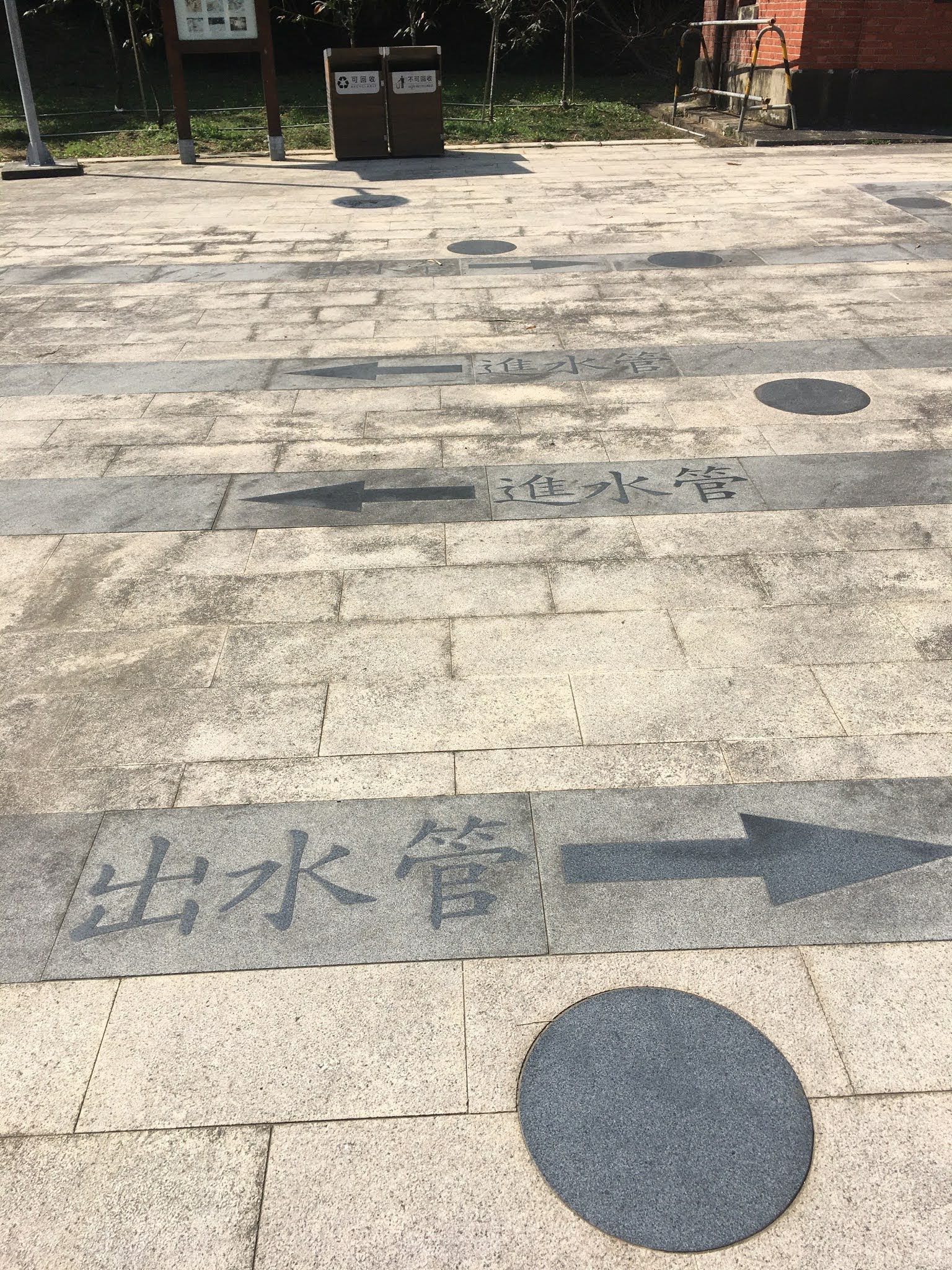
After the Second World War, there was a need to improve waterway facilities in Taiwan due to population growth and increased water consumption. In 1952, the Taiwan Water Company constructed a quick-filter chamber to address these issues. The quick-filter chamber is a reinforced brick building on the ground floor. The outer wall is decorated with a light green treatment that gives it a unique texture, and the roof truss is a typical pure-wood straight column truss. The basement floor still retains the complete quick filter pipeline. Its purpose is to rapidly filter raw water using granular filter materials such as sand and ore, capturing suspended solids, bacteria, microorganisms, and other impurities to produce purified water.

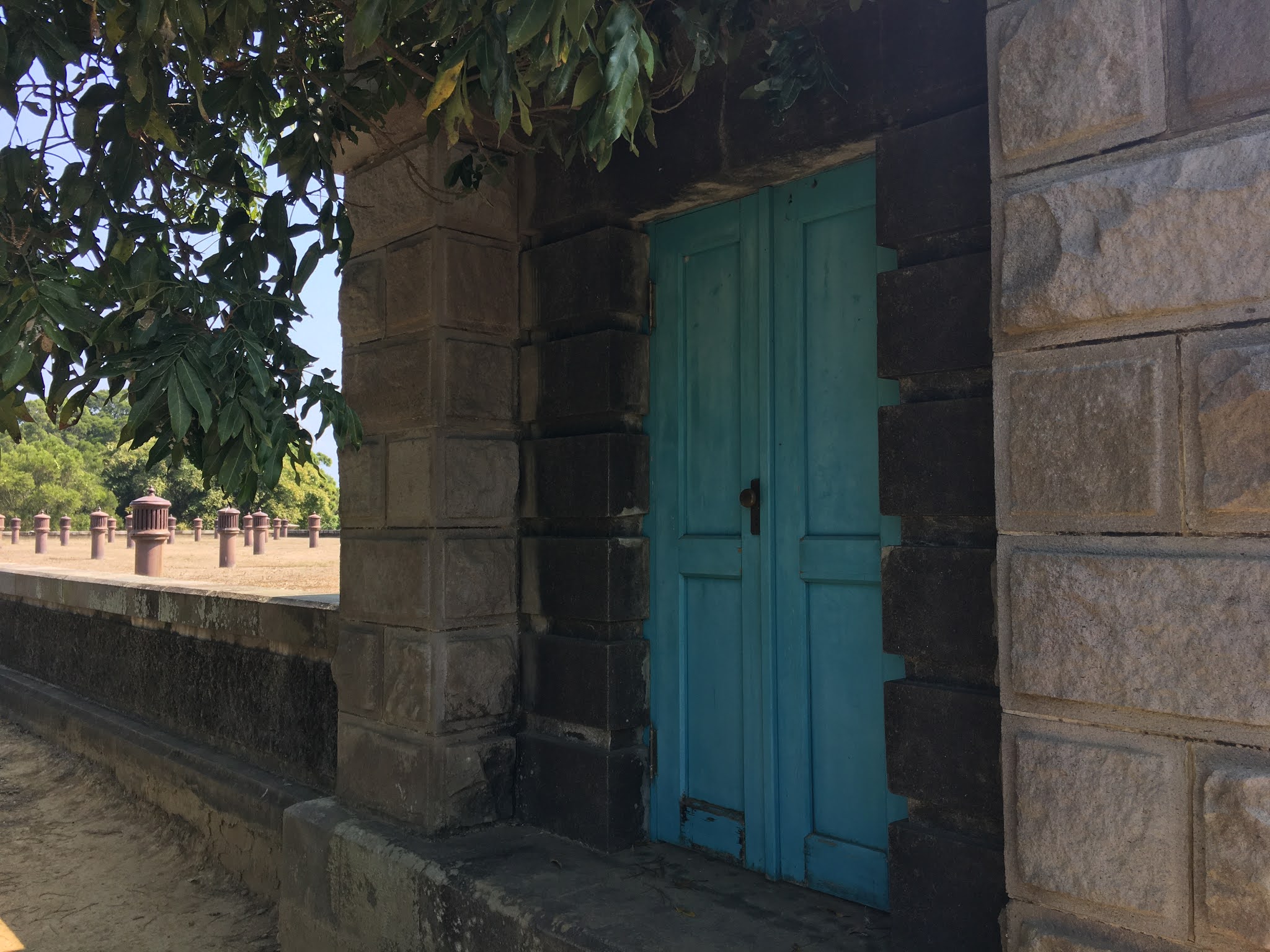
To visit the clean water pool, one must climb a trail consisting of 189 steps. The exterior of the pool is a gray building made of two types of natural and imitation stone. On each side of the clean pool, there are water quality inspection rooms. The roof of the pool is covered with soil and adorned with 59 cast iron ventilation pipe columns. Behind the clean pool, there is a circular sign in the center of the gable wall at the entrance of the clean water well.
In front of the clean water tank walkway, there is a water meter room. The exterior of the room is made of red brick. Although it is small in scale, its design is simple and elegant. The water meter was originally installed in this room to measure the water supply.

Shanshang Water Purification Pool 臺南山上花園水道博物館-淨水池區, Tainan, Taiwan

Shanshang Water Purification Pool 臺南山上花園水道博物館-淨水池區, Tainan, Taiwan

Shanshang Water Purification Pool 臺南山上花園水道博物館-淨水池區, Tainan, Taiwan

Shanshang Water Purification Pool 臺南山上花園水道博物館-淨水池區, Tainan, Taiwan

Shanshang Water Purification Pool 臺南山上花園水道博物館-淨水池區, Tainan, Taiwan

Shanshang Water Purification Pool 臺南山上花園水道博物館-淨水池區, Tainan, Taiwan

Shanshang Water Purification Pool 臺南山上花園水道博物館-淨水池區, Tainan, Taiwan

Shanshang Water Purification Pool 臺南山上花園水道博物館-淨水池區, Tainan, Taiwan

Shanshang Water Purification Pool 臺南山上花園水道博物館-淨水池區, Tainan, Taiwan

Shanshang Water Purification Pool 臺南山上花園水道博物館-淨水池區, Tainan, Taiwan

Shanshang Water Purification Pool 臺南山上花園水道博物館-淨水池區, Tainan, Taiwan

Shanshang Water Purification Pool 臺南山上花園水道博物館-淨水池區, Tainan, Taiwan

Address:

743台南市山上區號臺南山上花園水道博物館

January 5, 2021

Tainan Travel: Liu's Family Ancient House

 Liu's Family Ancient House (柳營劉家古厝)

The Liu Family Ancestral Hall, also known as the Liu Family Ancient Home, is a well-known attraction in Liuying that dates back to the Qing Dynasty. This magnificent courtyard building covers an area of 800 square meters and was constructed around 1867. The building materials and craftsmen were transported from Zhangzhou, Fujian to Taiwan by ship.
During the Ming and Qing Dynasties, manual or water pump machines were not available, so most families relied on well water for drinking and daily use. Wells were cleaned once a year. Wealthy families drilled their wells in the front yard, while farmers drilled theirs outside their houses. Approximately 10 houses shared the same well.

The Wenkuei at the entrance of the main hall was awarded by Wang Te-Lu, the Staff Officer of the Department of Logistics and Imperial Inspector of Fukien Province. In 1852, Liu Ta Yuan (also known as Kuei-Chang), the seventh generation of the second son of the Liu family, passed the provincial official examination, and the Wenkwei was awarded to commemorate this achievement. Two "Provincial Official Rods" were placed on both sides of the front yard of the Liu family's old house to honor the ancestors after passing the provincial examination. One provincial civil official and one martial official from the Liu family received a government award of six taels of silver to erect the rods. The Provincial Official Rods were imported from Fuchou, Mainland China, and arrived via the Taiwan Strait to Chishui Creek, then got on shore from the Bridge Fort of Iron Wire. Only one rod remains today, as lightning struck down the one on the left side, leaving only the empty stone stand.

The clay lion at the top of the mountain wall, holding the Eight Diagrams in its mouth, serves the purpose of "driving evil out of the house." The Eight Diagrams are used as a symbol to ward off evil, as the legend states that they were originally set up by Fushi to understand the virtues of the gods and the emotions of all living things. Therefore, this clay lion is a decorative item used to drive away evil spirits from the house.


Liu's Family Ancient House 柳營劉家古厝, Liuying, Tainan, Taiwan

Liu's Family Ancient House 柳營劉家古厝, Liuying, Tainan, Taiwan

Liu's Family Ancient House 柳營劉家古厝, Liuying, Tainan, Taiwan

Liu's Family Ancient House 柳營劉家古厝, Liuying, Tainan, Taiwan

Liu's Family Ancient House 柳營劉家古厝, Liuying, Tainan, Taiwan

Liu's Family Ancient House 柳營劉家古厝, Liuying, Tainan, Taiwan

Liu's Family Ancient House 柳營劉家古厝, Liuying, Tainan, Taiwan

Liu's Family Ancient House 柳營劉家古厝, Liuying, Tainan, Taiwan

Liu's Family Ancient House 柳營劉家古厝, Liuying, Tainan, Taiwan

Liu's Family Ancient House 柳營劉家古厝, Liuying, Tainan, Taiwan

Liu's Family Ancient House 柳營劉家古厝, Liuying, Tainan, Taiwan

Liu's Family Ancient House 柳營劉家古厝, Liuying, Tainan, Taiwan

Liu's Family Ancient House 柳營劉家古厝, Liuying, Tainan, Taiwan

Liu's Family Ancient House 柳營劉家古厝, Liuying, Tainan, Taiwan

Address:

736台南市柳營區中山西路三段128號柳營劉家古厝

January 2, 2021

Tainan Travel: Liu Qixiang Memorial Hall

We often ride scooter around Tainan County, exploring historical places in the nearby countrysides. Tainan is currently my favorite place to live and travel. I feel that it's incredibly rich in history. Tainan City, as well as the surrounding countryside, is renowned for its historical significance and vibrant culture, making it an ideal destination for exploration. 

Liu Qixiang

Liu Qixiang (February 3, 1910 - April 24, 1998) was one of the first four Taiwanese painters to study painting in France, alongside Chen Qingfen (1910-1987), Yan Shuilong (1903-1997), and Yang Sanlang (1907-1995).
Born into a prominent family in Liuying, Tainan, Liu Qixiang attended Liuying Public School in Tainan in 1917, where his art teacher, Chen Gengjin, recognized his talent and sparked his interest in painting. In the 1920s, he went to Tokyo, Japan, to study at the Art Department of Tokyo Bunka Institute. In the 1930s, he traveled to Europe with Yang Sanlang and Yan Shuilong, settling in Paris, France, to further his art studies.

During his three-year stay in Europe, Liu Qixiang extensively traveled to observe the natural and cultural landscapes of the continent while devoting himself to creating art in his studio. He visited the Louvre to study and copy works by renowned painters such as Manet, Cezanne, Renoir, and Corot. His own works, such as "Ladies in France" and "Red Clothes," reflect his analysis and research on the works of Manet and Cezanne. "Red Clothes" was even selected for the 1933 Paris Autumn Salon.

After returning to Tokyo, Liu Qixiang married Yukiko Sasaba. Following the Second World War, he and his family returned to Taiwan and settled in Liu Ying's former residence. In 1948, they relocated to Kaohsiung, where Liu Qixiang organized art associations and regularly exhibited his work through associations like the "Kaohsiung Art Research Association" and the "Tainan Art Research Association," which later formed the "Southern Taiwan Art Association" and held the "Southern Exhibition."
Liu Qixiang's early works mainly consisted of group portraits and figure paintings that depicted elegant and dignified figures. In 1977, he suffered from thrombosis, but even in critical condition, he continued playing the violin for rehabilitation and insisted on painting. In his later years, his brushwork became softer, emphasizing an overall sense of harmony and simplicity, reflecting his calm and indifferent character.

Liu Qixiang Art Memorial Hall (劉啟祥美術紀念館(劉啟祥故居))

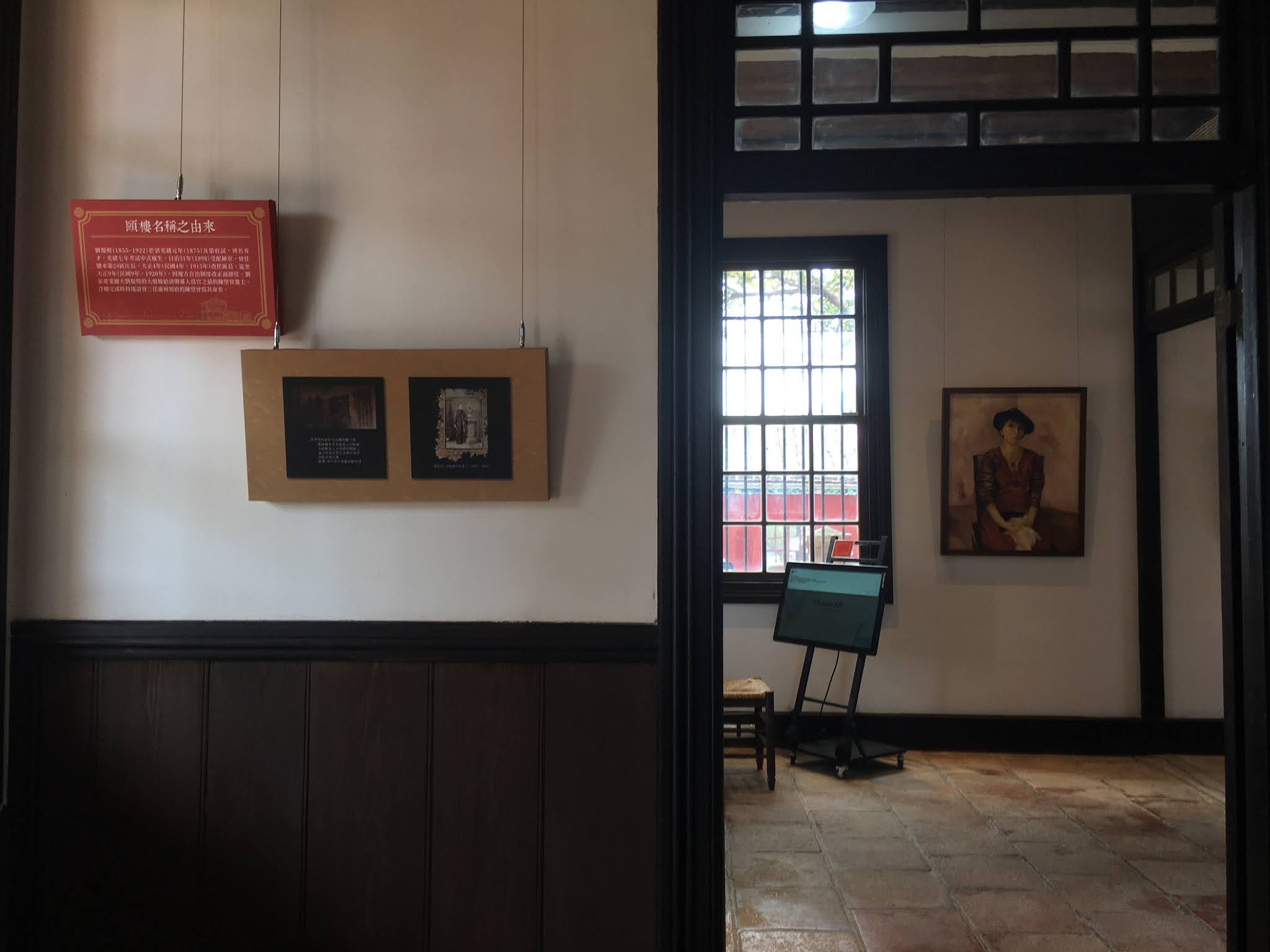
The Liu Qixiang Art Memorial Hall is located in Liu Qixiang's former residence in Liuying, Tainan. The building, also known as the Summer Palace, was designed by his father, Liu Kunhuang. It features a mixture of Japanese and Western architectural styles, with five Western arches and a cloister design. In 2013, it was approved by the family and handed over to the Cultural Bureau of Tainan City Government. After five years of restoration and an approximate budget of 24 million, it officially opened on December 15, 2018, as the "Liu Qixiang Memorial and Art Museum." The museum showcases a century of artwork in the exhibition "A Century of Spring in the House of Long Yi" and is open to the public for visits.

                            See also: Liu's Family Ancient House

Liu Qixiang Art Memorial Hall 劉啟祥美術紀念館, Liuying, Tainan, Taiwan


Liu Qixiang Art Memorial Hall 劉啟祥美術紀念館, Liuying, Tainan, Taiwan

Liu Qixiang Art Memorial Hall 劉啟祥美術紀念館, Liuying, Tainan, Taiwan

Liu Qixiang Art Memorial Hall 劉啟祥美術紀念館, Liuying, Tainan, Taiwan

Liu Qixiang Art Memorial Hall 劉啟祥美術紀念館, Liuying, Tainan, Taiwan

Liu Qixiang Art Memorial Hall 劉啟祥美術紀念館, Liuying, Tainan, Taiwan

Liu Qixiang Art Memorial Hall 劉啟祥美術紀念館, Liuying, Tainan, Taiwan

Liu Qixiang Art Memorial Hall 劉啟祥美術紀念館, Liuying, Tainan, Taiwan

Liu Qixiang Art Memorial Hall 劉啟祥美術紀念館, Liuying, Tainan, Taiwan

Liu Qixiang Art Memorial Hall 劉啟祥美術紀念館, Liuying, Tainan, Taiwan

Liu Qixiang Art Memorial Hall 劉啟祥美術紀念館, Liuying, Tainan, Taiwan

Liu Qixiang Art Memorial Hall 劉啟祥美術紀念館, Liuying, Tainan, Taiwan

Liu Qixiang Art Memorial Hall 劉啟祥美術紀念館, Liuying, Tainan, Taiwan

Liu Qixiang Art Memorial Hall 劉啟祥美術紀念館, Liuying, Tainan, Taiwan

Address:

736台南市柳營區中山西路三段128號劉啟祥美術紀念館