Showing posts with label historical buildings. Show all posts

September 18, 2025

Taixi Township – Hidden Japanese-era Gems in Yunlin’s Coastal Corner


Travel Date: 2025/08/09

This weekend, we decided to explore a lesser-known part of Yunlin County — Taixi Township, a quiet coastal area with plenty of hidden gems. We started our day with some local food, which, compared to the cities, was incredibly affordable and came in huge portions. Afterwards, we visited a few historic buildings from the Japanese era, each with its own story and charm. To wrap up the trip, we made a final stop in Baozhong at Wunian Qiansui Park, a unique temple-themed maze park that was both fun and full of surprises — a perfect ending to our off-the-beaten-path Yunlin adventure.

Taixi Township (臺西鄉)

Tucked away on Taiwan’s northwestern shore, Taixi Township (臺西鄉) is a quiet coastal community that feels worlds apart from the bustle of city life. Bordering the Taiwan Strait to the west and sitting about 34 km from Douliu City, it’s a place where seafood farming, traditional temples, and a touch of Japanese-era history all meet against a backdrop of wetlands and seabirds.

Taixi’s flat, low-lying land has shaped its economy for generations. The township is famous for aquaculture, producing fresh clams, oysters, milkfish, and other seafood that end up on tables across Taiwan. If you wander near the coast, you’ll see tidal ponds, fishing boats, and the rhythm of daily life tied closely to the sea.
The township covers 54 km² and is home to about 21,000 residents (2025). Interestingly, a large portion share the Ding surname, with some tracing their roots back to Hui (Muslim) ancestry.

Historically, this area was known as Haikou, officially established as Haikou Village during Japanese rule in 1920. In 1946, after administrative restructuring, it became Taixi Township. Today, the town is made up of 15 villages — each with its own unique feel but connected by fishing traditions and community ties.
While Taixi is best known for its harbor and wetlands, it also hides two beautifully preserved Japanese-era buildings that speak to its past.

See also:
Wunian Qiansui Park’s Temple Maze LINK


Haikou Village Police Station (海口庄派出所)

Built in 1931, this was once the highest public security authority in Haikou Village during Japanese rule, staffed by a small but vital team. In a time when most homes were simple thatched or earthen structures, the police station’s brick architecture stood out as a symbol of authority and modernity.

In the 1940s, after World War II, administrative changes reshaped the region. When Haikou was divided into Dongshi Township and Taixi Township in August 1946, the Taixi Police Substation was officially established. At that time, most houses in the area were built with thatch or earthen walls, so the well-constructed police station — with its mix of colonial and traditional features — stood out as an architectural gem admired by locals.

In June 2000, during reconstruction of the new Taixi Substation, the old Haikou building was moved about 20 meters. Shortly after, Yunlin Deputy County Magistrate Kao Meng-ting suggested that since the building was under 100 years old and built with common materials, there was “no need to preserve it.” His remarks, made on February 5, 2001, sparked public outrage.

After months of debate, the Yunlin County Government finally decided to preserve the building. Yet, the process was far from smooth. During renovations, the red brick walls were covered with cement — a decision that frustrated preservationists like Professor Liu Chuan-chih, who had worked closely on the revitalization efforts. On February 10, 2002, he and volunteers from the Taixi Coastal Vitality Center took matters into their own hands and began removing the cement layer to restore the building’s original look.

Further restoration work faced bureaucratic hurdles — the township office failed to follow proper administrative procedures to change the land use classification, making it impossible to pass inspection or obtain a usage license. The building also suffered from severe water leakage over time.

Finally, in June 2006, the Yunlin County Historic Sites and Historic Buildings Review Committee officially listed it as a historic building under the name “Haikou Village Police Station.” Thanks to the persistence of local cultural advocates and support from successive county magistrates Su Chih-fen and Lee Chin-yung, the building underwent comprehensive restoration beginning on March 15, 2016, with funding from the Ministry of Culture.

Today, the Haikou Village Police Station stands not just as a relic of Taiwan’s Japanese-era policing system, but also as a symbol of community-driven heritage preservation. Its red brick walls and modest façade remind visitors that even small buildings can hold big stories — stories of resistance, pride, and the struggle to protect history in the face of modernization.


Haikou Village Chief’s Residence (海口庄長官舍)

Tucked away on Minquan Road in Taixi Township, Yunlin County, the Haikou Village Chief’s Residence (海口庄長官舍) — also known as the Taixi Township Magistrate’s Residence — is one of the best-preserved examples of Japanese-era official housing in the area. Built in 1937 from fragrant cypress wood, this elegant single-story structure has weathered decades of change and now serves as the Taixi Haikou Story House, welcoming visitors free of charge.
Designated as a registered historic building on June 20, 2006, the residence is managed and owned by the Taixi Township Office and stands as both a cultural landmark and a symbol of local revitalization.

Completed on August 14, 1937, the house originally served as the residence of Isaku Aimoto (相本伊作), the third Japanese mayor of Haikou Village during the Shōwa era. With its classic Japanese architectural layout, wooden structure, and two large banyan trees gracing the front yard, the residence reflected the simple yet refined aesthetic typical of official homes from that period.

When Taiwan came under the administration of the Republic of China in 1945, and local divisions were reorganized, the house was renamed the Haikou Township Mayor’s Residence. At that time, it lacked amenities such as a water tower, garage, and storage room, and the surrounding yard was nothing more than bare soil — quite different from the landscaped grounds visitors see today.

In 1950, when Haikou Township was split into Taixi Township and Dongshi Township, the building became the official residence of Taixi’s successive township mayors. However, since later mayors were all local residents who continued living in their own homes, the building gradually fell into disuse. For years, it was repurposed as a storage area for small garbage trucks and kitchen waste bins, its historic charm hidden beneath clutter and neglect.

Everything changed when Taiwan began promoting community development initiatives. The Taixi Township Office launched local cultural projects, and the long-forgotten residence found new purpose. It was once used by the Taixi Coastal Vitality Task Force and the Taixi Art Association, serving as a hub for community activities and creative projects.

Recognizing its cultural and architectural value, Yunlin County listed it as a cultural asset in 2006. Then, in 2015, the county government began major restoration work, aiming to transform the old building into a New Immigrant Story House — a community space celebrating diversity and local heritage.
To protect it from frequent flooding, engineers raised the entire structure by 70 centimeters using hydraulic jacks on September 19, 2015 — a remarkable engineering effort for a wooden heritage site.

After years of careful work, the house reopened on June 8, 2019, as the Taixi Haikou Story House. The opening event featured a doll and toy exhibition curated by local fashion designer Lin Guo-ji, breathing new life into the space and connecting the past with the present through art and storytelling.

The Haikou Village Chief’s Residence is a single-story cypress-wood house with a traditional Japanese tiled roof and a layout that reflects the elegance and order of pre-war Japanese domestic architecture. The wooden beams and sliding doors create a sense of warmth and harmony, while the surrounding banyan trees offer shade and a timeless sense of calm.


Other Notes

Beyond the town center, Taixi’s wetlands stretch along the coast, offering a sanctuary for migratory waterbirds. For birdwatchers, winter is the prime season to spot flocks of herons, egrets, and other species feeding in the shallows.

Taixi might not be Taiwan’s most famous destination, but for travelers who love coastal charm, local history, and authentic community life, it’s a place worth slowing down for. Whether you’re here for the seafood, the heritage buildings, or the sight of waterbirds at sunset, Taixi offers a quiet yet deeply textured slice of Yunlin’s story.

July 9, 2024

Exploring the Cultural and Historical Riches of Puzi City


Travel date: 2024/06/08

This trip south was filled with the charm of Japanese-era buildings. I tried to find places to see on the Chiayi-Tainan border and stumbled upon Puzi Town. Having lived in Tainan for three years, I had no idea there was such a large area of Japanese buildings nearby. Maybe it was because we rarely visited Chiayi, or I just never checked the small towns around well enough to notice them. 
Sometimes I feel that most tourist spots in Taiwan are related to the Japanese era, with fewer remaining from the Qing Dynasty, as much older structures have been destroyed over time. I never actually thought of traveling to Japan, but I really like those wooden buildings, I feel that it would be a dream future house.
When we arrived at the Japanese dormitories area, there was an event preparing to start later on - a market organized for the Dragon Boat Festival. I'm not sure how busy it is without the market, but I think it would be much quieter as it doesn't seem to have many shops around. Compared to the Japanese dormitories in Chiayi City, these are much less known.

Our next stop was Tainan's Houbi District. We once again visited Jingliao Old Street. We came here once during COVID-19, and it was rainy that day. At that time, I thought it was a boring and not well-known area, but today's feeling was so different! It's actually filled with visitors, and there were shops open, food, and drink - totally different from a few years ago. Traveling during COVID-19 wasn't fun at all.
Even though the weather was supposed to be rainy, we actually got plenty of sunshine. It was noon and pretty hot. It's been two years since moving out of Tainan, and the north feels a lot cooler, so I also had a bit of trouble accepting the heat. We visited the old street, an old drug store, a Dutch well, a rice mill, and later on stopped at an elementary school that had two unique buildings left from Japanese times. We also drove to another place, but the octagonal storage was closed, and the dormitory only opens for students during school time, so there wasn't much to see. 

Check out Japanese-era relics in Houbi in my other post [LINK].
Check out Qing-Dynasty relics in Houbi in my other post [LINK].

Puzi City (朴子市)

Formerly known as Pho-a-kha (樸仔脚), Puzi City (朴子市) is a county-administered city in Chiayi County, Taiwan. In 1920, during Japanese rule, it was renamed Puzi Street (朴子街) and governed under Tōseki District, Tainan Prefecture. This captivating destination, steeped in history and cultural heritage, has evolved from a modest settlement into a central hub in the coastal region. 
Puzi City, known in Taiwanese as Phoh-tsú-tshī, is located in western Chiayi County and has grown around the temple dedicated to Mazu, fostering its development.

In 1945, the area was reorganized as Puzi Town in Tainan County. It was incorporated into Chiayi County in 1950, and in 1992, following the relocation of the Chiayi County Council, it was upgraded to a county-administered city. The establishment of the Chiayi HSR station and BRT has increased commuter traffic to Chiayi City.
The settlement was recorded in Dutch documents as "Causieu". During the Qing Dynasty, it was renamed Puzi Jiao. The area was initially sparsely populated with a few farmhouses. In 1682, a statue of Mazu was brought from Meizhou and enshrined in Puzi, leading to the establishment of the Peitian Temple. The town developed around this temple, which remains central to the city's identity.

Key historical events and developments:
- 1898: Establishment of Puzi language school
- 1901: Puzi Street uprising led by Huang Maosong
- 1911: Puzi Line of the Suantou sugar factory railway opened
- 1934: Construction of the Puzi Water Tower, a significant landmark
- 1945: Post-WWII reorganization into Tainan County's Puzi Town
- 1950: Integration into Chiayi County
- 1992: Upgraded to a county-administered city

Puzi Water Tower (朴子水道配水塔)

The Puzi Water Distribution Tower, also known as the "Puzi Water Tower" or "Shuidaotou," is a public water supply facility located in Puzi City. It was established in 1933 during the Japanese occupation under the administration of Huang Madian, the then mayor of Puzi Street, and completed in 1936. This structure played a crucial role in improving the drinking water hygiene for Puzi Street residents at the time. Due to its historical and cultural significance, it was designated as a cultural asset in 2014.
Initially registered as a historical building on September 7, 2006, it was later designated as a county-designated historic site on November 4, 2014. Today, it stands as an important landscape landmark in Puzi City.

Located at the east end of Puzi Market and south of Niuchou Creek (now Puzi Creek), the water distribution tower was built to address the poor public health conditions and lack of an established epidemic prevention system during the Japanese colonial period. Residents primarily relied on wells for water. In 1933, Huang Madian began constructing a facility to purify and distribute water from sewers. The tower was one of several structures, including intake wells, sand slide wells, raw water pump wells, pump chambers, distribution wells, sedimentation tanks, filtration tanks, and more. The entire project was completed in 1936.
However, due to sedimentation and pollution, groundwater wells were later used. In 1974, after the merger with the Taiwan Provincial Water Supply Company, water was sourced from the Wushantou Reservoir.

The tower is built in a European style using concrete RC structure. It stands 35 meters high and can hold 450 tons of water. The structure comprises three parts:
- Top: Decorative tower with a hexagonal dome shape.
- Middle: Circular water tank.
- Bottom: RC structure with four ring beams and ten pillars, reinforced with radial mesh columns.

The Puzi Waterway Water Distribution Tower, once the tallest building in Puzi, became a landmark and a significant tourist attraction. It also served as a lookout point accessible via an escalator. Currently, the tower is not open to the public due to structural concerns, including cracks in the columns. Restoration efforts are planned to preserve this historical structure.

Chiayi Shuidaotou Cultural and Creative Settlement (水道頭文創聚落)

Chiayi Shuidaotou Cultural and Creative Settlement located in Puzi City is the first cultural and creative settlement point in Chiayi County. The core building of this settlement is the Shuidaotou, also known as the Puzi Water Distribution Tower. Built in 1936 during the Japanese era, this structure served as a public water supply facility. 

Adjacent to the tower is a group of Japanese-style buildings that once served as residences for police officers and teachers during the Japanese era. These buildings now form the Chiayi Shuidaotou Cultural and Creative Settlement, the largest cluster of Japanese-style architecture along the Chiayi coast. Currently managed by the Chiayi County Cultural and Tourism Bureau, the settlement hosts various cultural and creative workshops, exhibitions, and interactive performances.

Hidden in the bustling alleys of Puzi City, the Puzi Waterway Japanese Dormitory District retains a rich Japanese atmosphere. This area includes the old principal's dormitory of Dongshi Junior High School at Shantong Road 14 and extends to numbers 16 and 18, as well as eight other dormitories along Zhongzheng Road. These buildings served as police and teacher residences during the Japanese era.
The area has been renovated and planned to enhance its historical and cultural value.
The area is filled with Japanese-style features such as stone lanterns and traditional Japanese gardens. The dormitory area now hosts various cultural and creative stores offering handmade food, crafts, and beverages. It's an ideal spot for those who appreciate quiet Japanese-style environments, perfect for a peaceful date or visit.
The settlement is open to visitors from Wednesday to Sunday, 11 AM to 5 PM, and offers various cultural and creative experiences. The space includes a permanent exhibition area and public interaction zones. 

The renovation project took nearly four years and cost 75 million yuan to refurbish the first batch of Japanese-style dormitories. It successfully completed investment promotion and officially opened to the public in February 2018. The types of stores that have established themselves in the Shuidaotou Cultural and Creative Cluster include pottery, life crafts, local culture and history, coffee, and light food establishments. 
Chiayi County Culture and Tourism Director Xu Youren noted that following the renovation of the first batch of Japanese-style dormitories, the county government secured an additional 20 million yuan from the Tourism Bureau of the Ministry of Transportation. This funding is intended to beautify the surrounding area of the dormitories, enhance the benefits of the cluster, and promote Puzi's transformation. The aim is to make the atmosphere of the Japanese living space a memorable part of modern life.


Puzi Embroidery Cultural Hall (朴子市刺繡文化館)

In the early days, Puzi City in Chiayi County was a major hub for the embroidery industry. The prosperity of that time is reflected in the large number of embroidered products exported from Puzi City, including Eight Immortals embroidery, door curtains, pillowcases, bed sheets, glove puppet costumes, Taiwanese opera costumes, bridal trousseaus, and more. These products were sold all over Taiwan. To preserve and promote this outstanding local cultural feature, the Puzi City Office has been dedicated to the development of embroidery since 2002. They not only established the Chiayi County Embroidery Culture Association and offered embroidery training courses but also built the Embroidery Culture Museum with the support of the Ministry of Culture.

The Embroidery Culture Museum was originally the office space of the local ship crew and was repurposed from the old wooden Japanese dormitory buildings, giving it a historical charm that aligns with the spirit of embroidery culture. The museum documents the heyday of the embroidery industry in Puzi City and houses many meticulously crafted, breathtaking embroidery works. Through interactive learning about the entire industry, the Embroidery Culture Museum revitalizes the rich local culture, integrates community activities, promotes cultural tourism, and has become an attractive tourist destination.


Dongshi Shrine (東石神社)

Dongshi Shrine was a shrine located on Puzi Street, Dongshi County, Tainan Prefecture during the Japanese colonial period in Taiwan. It was established in 1936. The original site is now Puzi Art Park in Puzi City, Chiayi County. The shrine remnants such as the torii gate, komainu and shrine of Dongshi Shrine were listed as Chiayi County historical buildings on December 17, 2019.
Dongshi Shrine is a shrine guarding Dongshi County. It's located on the east side of Puzi City. The west side of the shrine is adjacent to the water source of Puzi Waterway. It started construction in January 1936 and was completed with a town hall ceremony on September 10 of the same year. On July 28, 1944, Toishi Shrine was upgraded to a rural shrine.
After World War II, the Shrine was turned into a coastal patrol camp and the shrine hall was demolished. After the withdrawal of the national army in 1987, it was reorganized into Puzi Art Park.
In Japanese named Tōseki Jinjya/とうせきじんじゃ. The officiating deity was Amaterasu, the three pioneer gods (Okuni Tamomei, Oki Nomei, and Shaoyan Mingmei), and Prince Nohisa of Kitashirakawa Palace.


Address:
1. Chiayi Shuidaotou Cultural and Creative Settlement: 613嘉義縣朴子市中正路17號
2. Puzi Embroidery Cultural Hall: 613嘉義縣朴子市文明路10號
3. Donshi Shrine:613嘉義縣朴子市東石神社遺址

June 27, 2024

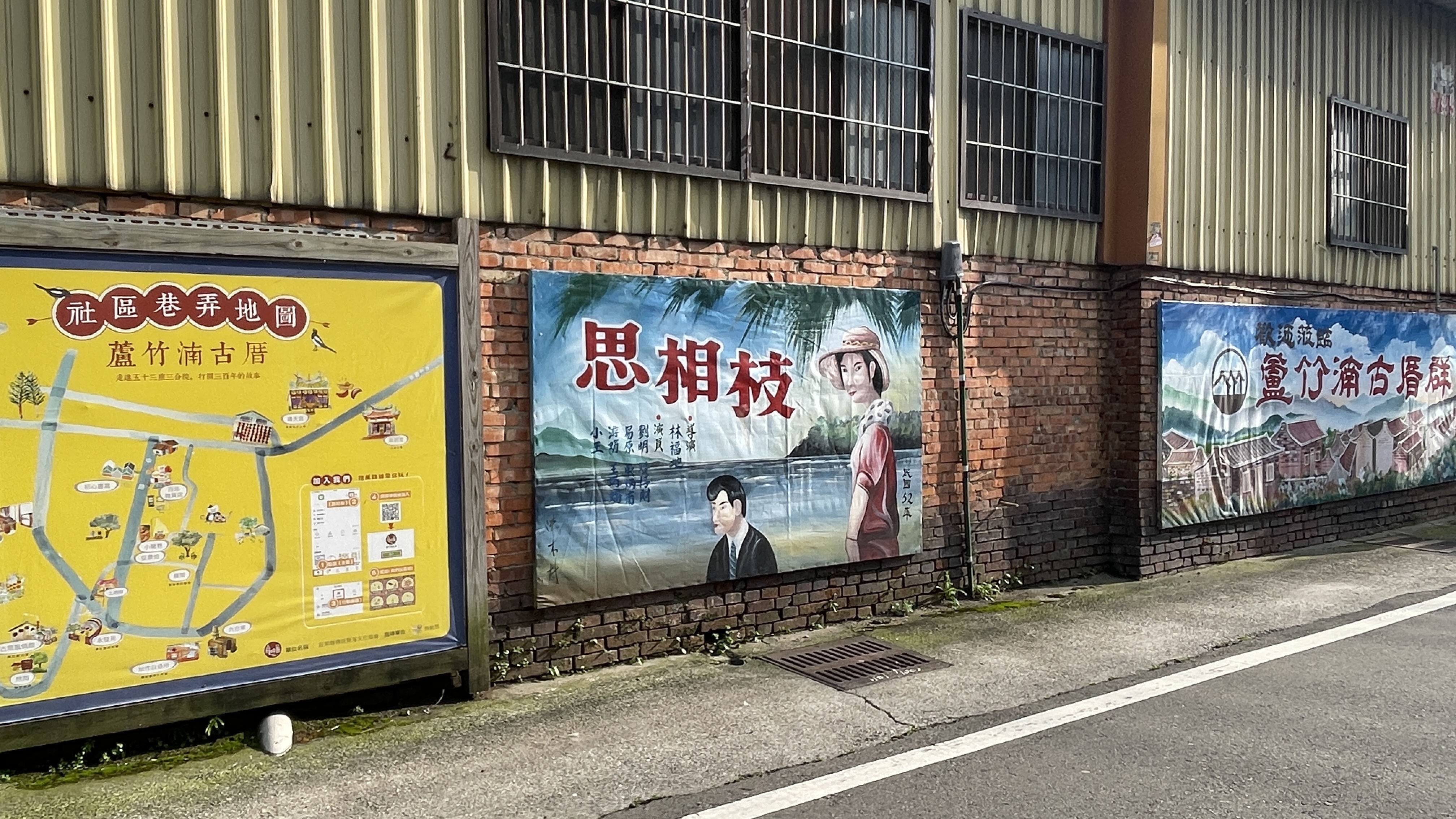
Miaoli Travel: Luzhunan Old Houses


Nestled beside the Toufen Industrial Zone in Miaoli, Luzhunan Old Houses in Luzhu Village is a historic community with a rich 300-year heritage. To prevent their hometown from fading into obscurity, a passionate group of locals established an association and meticulously planned a series of community revitalization activities. They invite travelers to bask under the large trees of the traditional three-sided courtyards, bike through the red-bricked green corridors, and immerse in the serene atmosphere of this simple yet captivating place.

Luzhunan, originally known as "Luzhu Village" during the late Qing Dynasty and early Japanese colonial period, was part of the Zhunan Yi Bao. Surrounded by Tianliao Village to the northwest, Toufen Village to the northeast, Dongxing Village to the southeast, and Salt Storefront Village to the west, Luzhunan has a long history intertwined with Taiwan's agricultural and industrial development.

The Miaoli County Traditional Settlement Cultural Association, established in 2006, aims to preserve and promote the cultural heritage of the Luzhunan Old Houses. Under the guidance of Secretary-General Xu Shufan, numerous activities such as guided tours, DIY experiences, and cultural events have been organized. The community has also revitalized old houses, turning them into bookstores and cafes, making Luzhunan a new tourist hotspot.

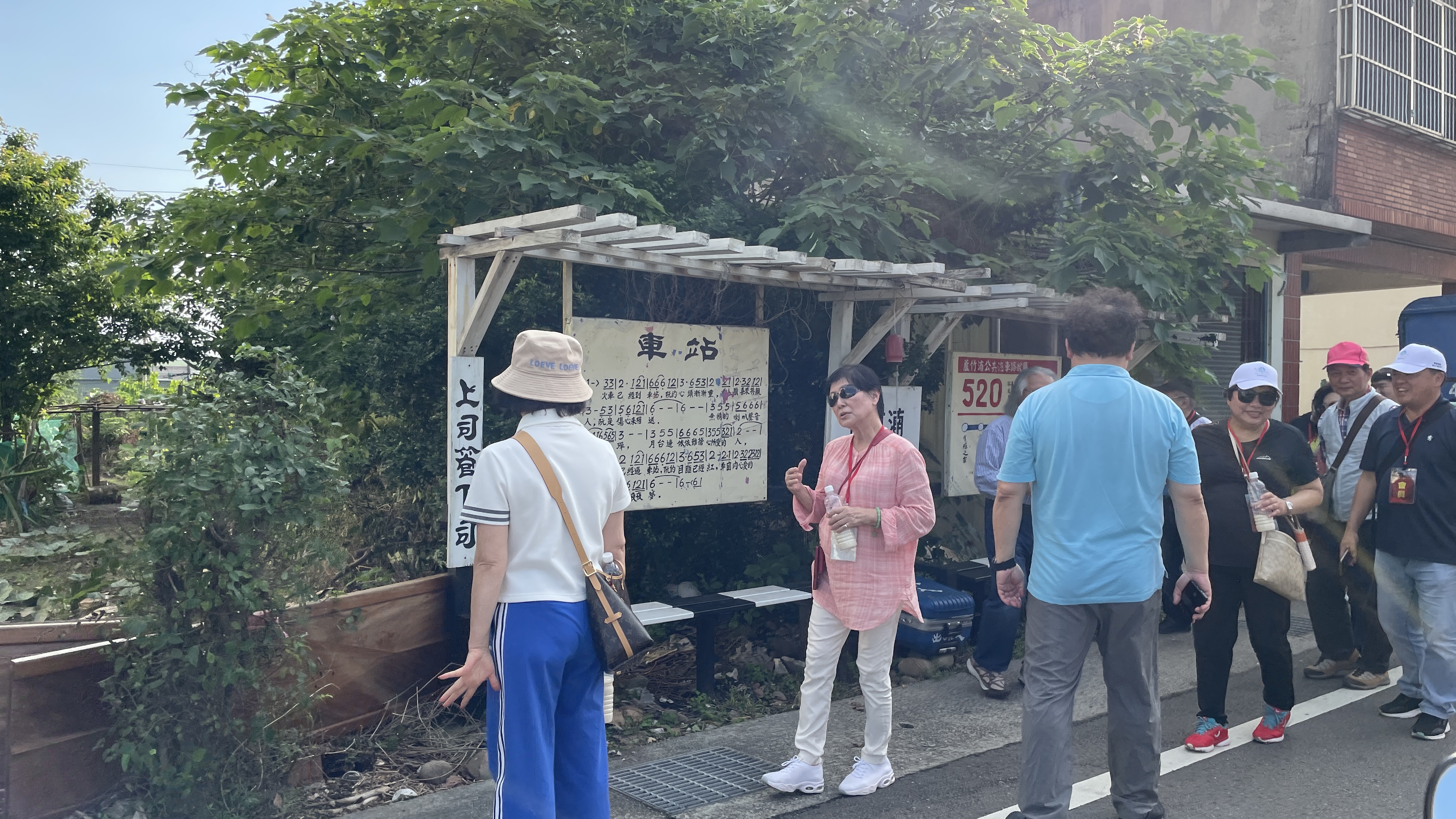
Visitors can enjoy guided tours that delve into the history and architecture of Luzhunan. DIY activities such as pottery making and traditional food preparation, like the famous red tortoise cake, offer hands-on experiences that connect you with local traditions.

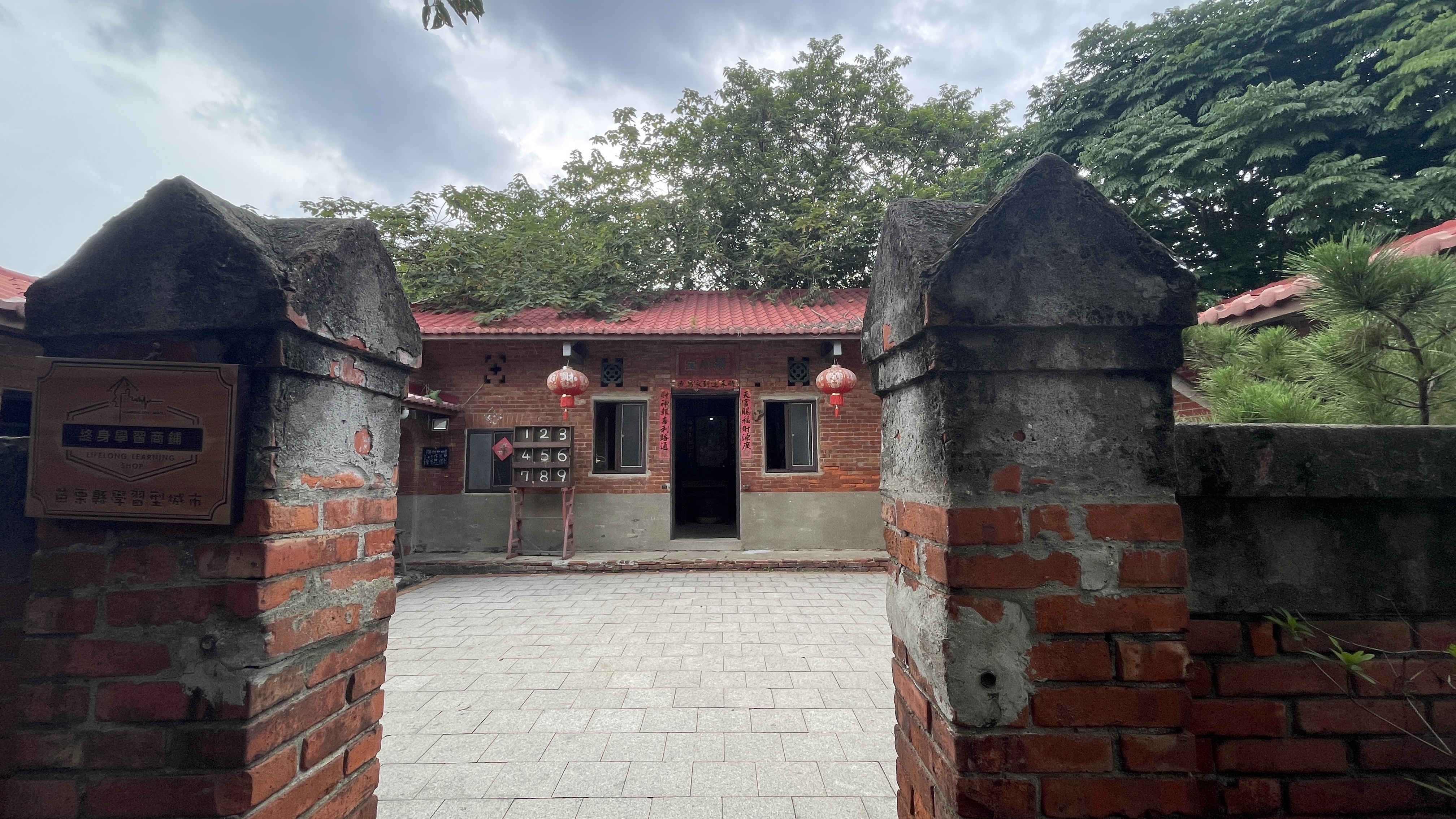
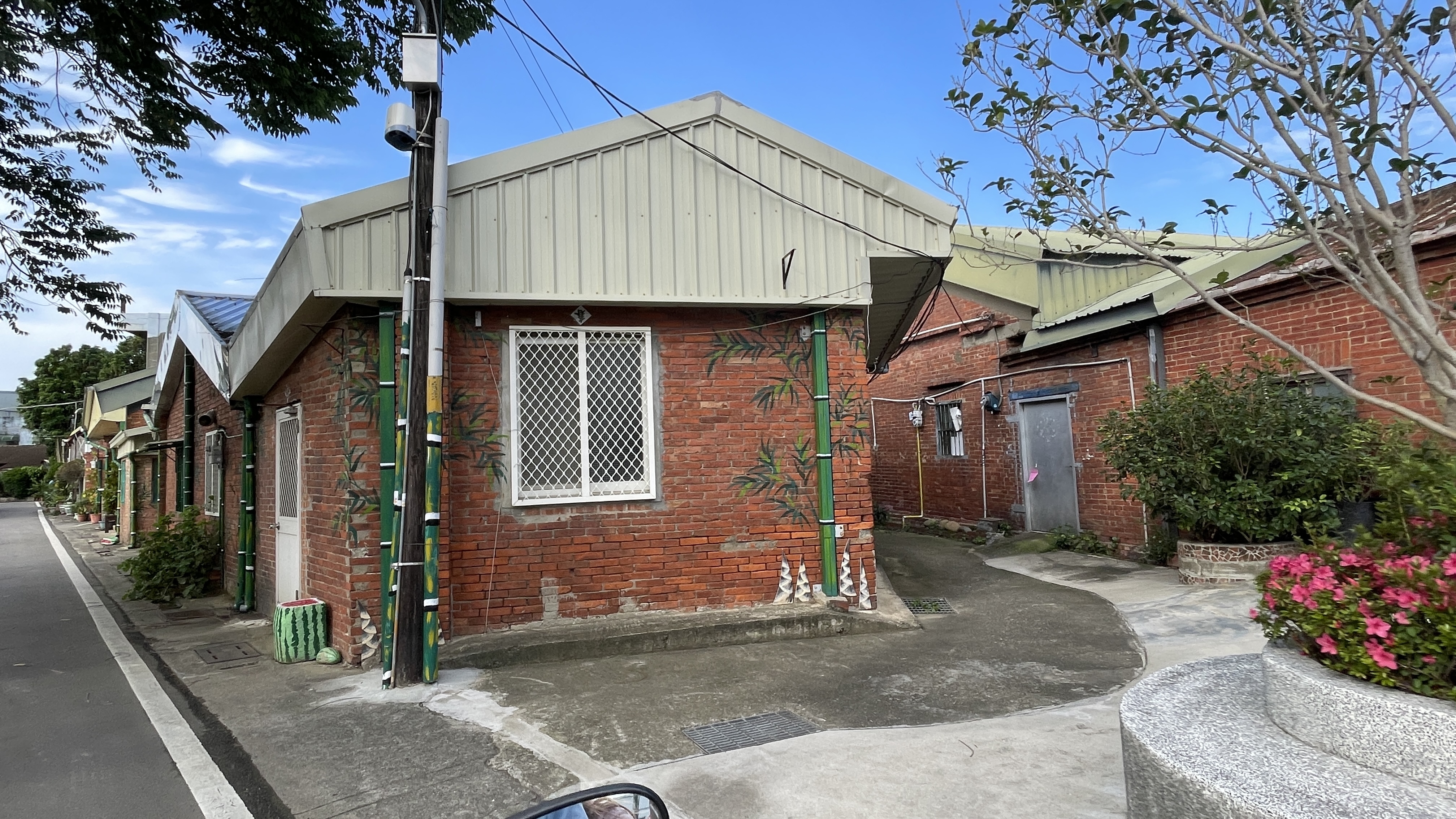
The 53 old houses in Luzhunan are a testament to the community's commitment to preserving its architectural heritage. These traditional houses are built with red bricks and feature large central courtyards shaded by old trees, providing a peaceful atmosphere for leisurely walks and relaxation.
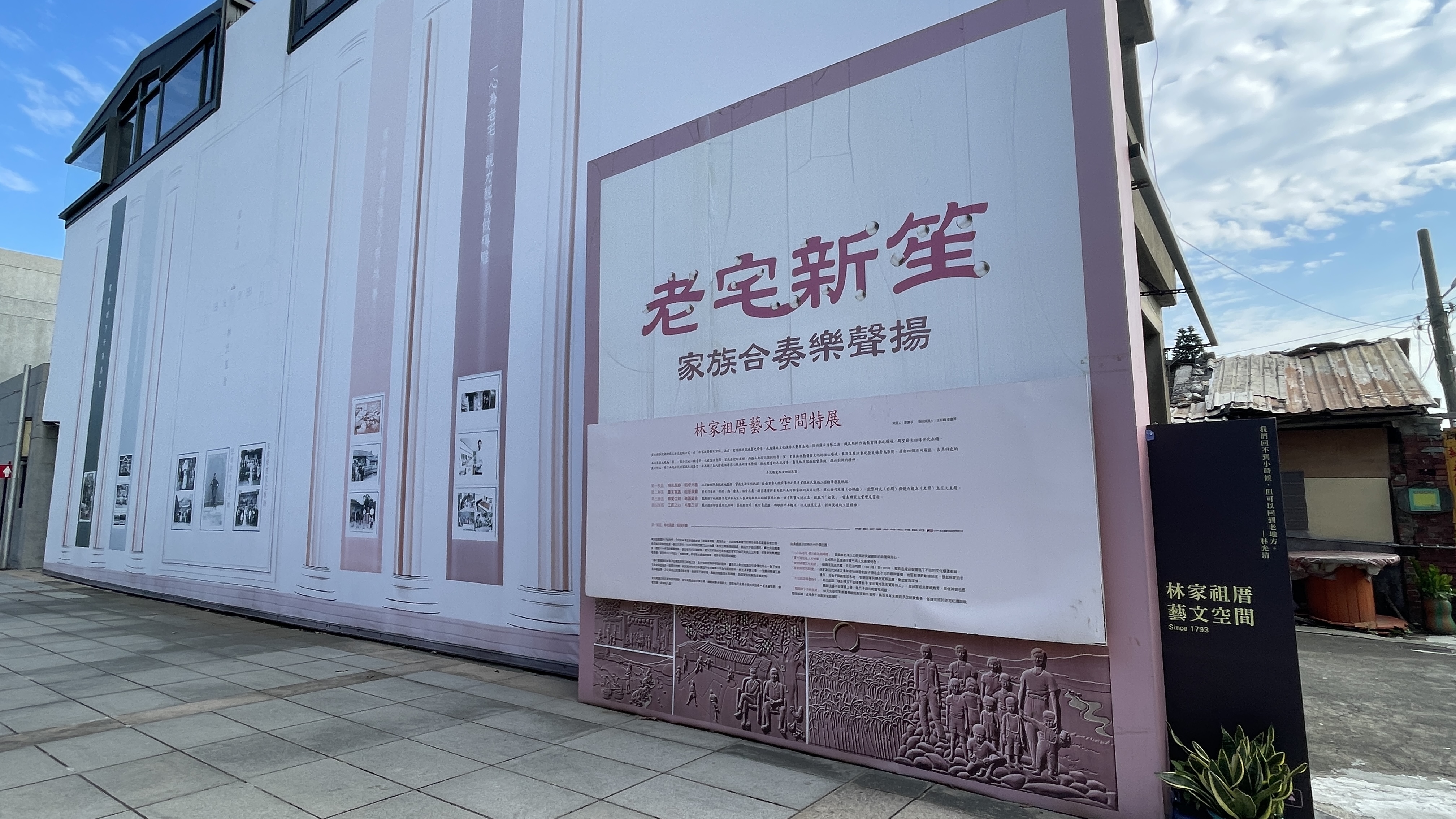
Key landmarks include the Lin Family Ancestral House, which also serves as a cultural exhibition center. Constructed from durable cypress wood, it showcases intricate craftsmanship and historical significance.

Luzhunan is predominantly Hakka, but it also includes Minnan people, reflecting a diverse cultural heritage. The community's traditional grocery stores, such as the century-old "Zhongdian," offer a nostalgic shopping experience with a variety of goods ranging from snacks to household items.

Luzhunan offers a variety of interactive activities for visitors. Guided tours can be booked through their Facebook page for NT$100 per person, with each tour lasting about an hour. Additionally, hands-on experiences like DIY pottery and red turtle cake making provide a deeper connection to the local culture.

Opening Hours: 8:00 AM to 5:00 PM, closed on Tuesdays


Address:
351苗栗縣頭份市蘆竹里15鄰191號