Travel Date: 2013/09/15
Guanxi, nestled in Hsinchu County, Taiwan, is a captivating township rich in history, culture, and natural beauty. Known for its tea production, historic sites, and Hakka traditions, Guanxi invites visitors to explore its old streets, temples, and picturesque landscapes.
We visited Guanxi sometime in 2018 when we used to live in Hsinchu City, and we decided to revisit it. We actually rode scooters from Toufen in Miaoli, and it took about 1 hour to get there, which was quite tiring. When we left home, the weather was really good with a clear blue sky, but it didn't stay the same. When we arrived, it was quite cloudy. Luckily for us, right?
During our visit, we explored the Tea Factory, an Old Bridge, a Japanese-style police office, and Guanxi Old Street, which seemed much emptier compared to a few years ago. We also explored some old houses around town.


Guanxi Dongan Bridge (關西東安橋)
Guanxi Dong'an Bridge, situated in Guanxi Town, Hsinchu County, Taiwan, is a revered historical landmark. Originally known as Caifeng Bridge, it has been officially recognized as a designated historic site in Hsinchu County.
The necessity for this bridge arose due to the Niulan River's presence in the Guanxi region. Previous wooden bridges were frequently washed away by flash floods, causing disruptions in transportation. In 1933, a collaborative effort between the government, local residents, and the Sandun area (now Santun District of Dong'anli) led to the construction of Dong'an Bridge. Japanese experts were enlisted to design the bridge, and local artisans, particularly stonemason Li, utilized fine-textured local stones in its construction. The construction commenced on January 12, 1933 and concluded in late November of the same year. By August 1935, the entire transportation system was accessible.
Upon its official opening in 1935, a monument was erected to commemorate the bridge's completion, with an inscription indicating an erection cost of 4,669 yen. Donations from local residents contributed significantly to its construction. The names of households that donated more than 1 yuan each are engraved on a stone tablet at the east end of the bridge. Dong'an Bridge played a pivotal role in transporting agricultural produce from Dong'an and Dongshan areas to the market, becoming a vital transportation artery in Kansai's history of development.
As time progressed and vehicular traffic increased, the Hsinchu County Government renovated the Niulan River in 1999. This included the creation of the Niulan River Water Park adjacent to Dong'an Bridge, featuring a buffalo statue and a suspension bridge, as well as stone landscaping. The waterfront park has become a venue for various events, including markets and concerts in conjunction with the Guanxi Town Art Festival. In 2003, a new five-arch bridge was constructed adjacent to the old bridge, and in 2010, Dong'an Bridge was officially designated as a county-designated historic site by the Cultural Bureau of the Hsinchu County Government.
In 2017, Guanxi Town Office independently repaired the bridge, garnering attention from the Cultural Affairs Bureau. In 2019, due to issues like concrete deterioration and steel corrosion, plans to dismantle and rebuild the guardrail of Dong'an Ancient Bridge were considered by the Guanxi Town Office. However, local environmental and Native Culture Associations opposed this plan. After a public hearing, a consensus was reached to dismantle it while preserving the ancient bridge's guardrail construction style as much as possible. The guardrail reconstruction project replicated the original ancient bridge's design.
Dong'an Bridge's classical and elegant architecture, coupled with the picturesque waterside park, has made it a popular filming location for movies. Productions like the 2008 film "Ghost Love Letter" and the 2015 movie "My Girlhood" have featured scenes shot at the Niulan River Water Park and Dong'an Bridge.


Guanxi Branch Office (關西分駐所)
The Guanxi Branch Office, a historical landmark completed in 1920 during the period of the Japanese Empire, is designated historic site.
This distinguished edifice has played multiple roles throughout its storied past. During the Japanese colonial period, it functioned as a vital administrative center for the Japanese colonial government, overseeing local affairs and household registration in Guanxi Village. Later, following a fire incident, it was repurposed as the office space for the local "Baojia Secretary Office" under the jurisdiction of the Hsinchu County Office Police Division.
After World War II, the building passed into the hands of the local government, continuing to serve as a vital hub for various police units. However, as time took its toll, the structure faced challenges such as aging, inadequate facilities, and water leakage issues. In response, local government authorities initiated a renovation and relocation plan, resulting in the construction of a new Japanese-style branch office building, mirroring the existing architecture. This new Guanxi branch was officially completed on March 27, 2017, marking a new chapter in its history as it relocated to its modern premises.
The original Guanxi Branch Office, with its enduring Japanese architectural flair, primarily features a one-story reinforced concrete brick structure adorned with Japanese tiles on the roof. A distinctive triangular gable graces the front entrance, while the columns on either side exhibit Western geometric pattern reliefs, giving the building an intriguing style. A unique blend of Japanese and local architectural elements characterizes this historic structure.
Adjacent to the main building stands the Guanxi Branch Director's Dormitory, a splendid example of Japanese-style wooden architecture, which adds further charm to the site.
Today, the original Guanxi Branch Office stands as a testament to the rich history of the region and its architectural heritage.


Jintai Tea Factory (錦泰茶業股份有限公司)
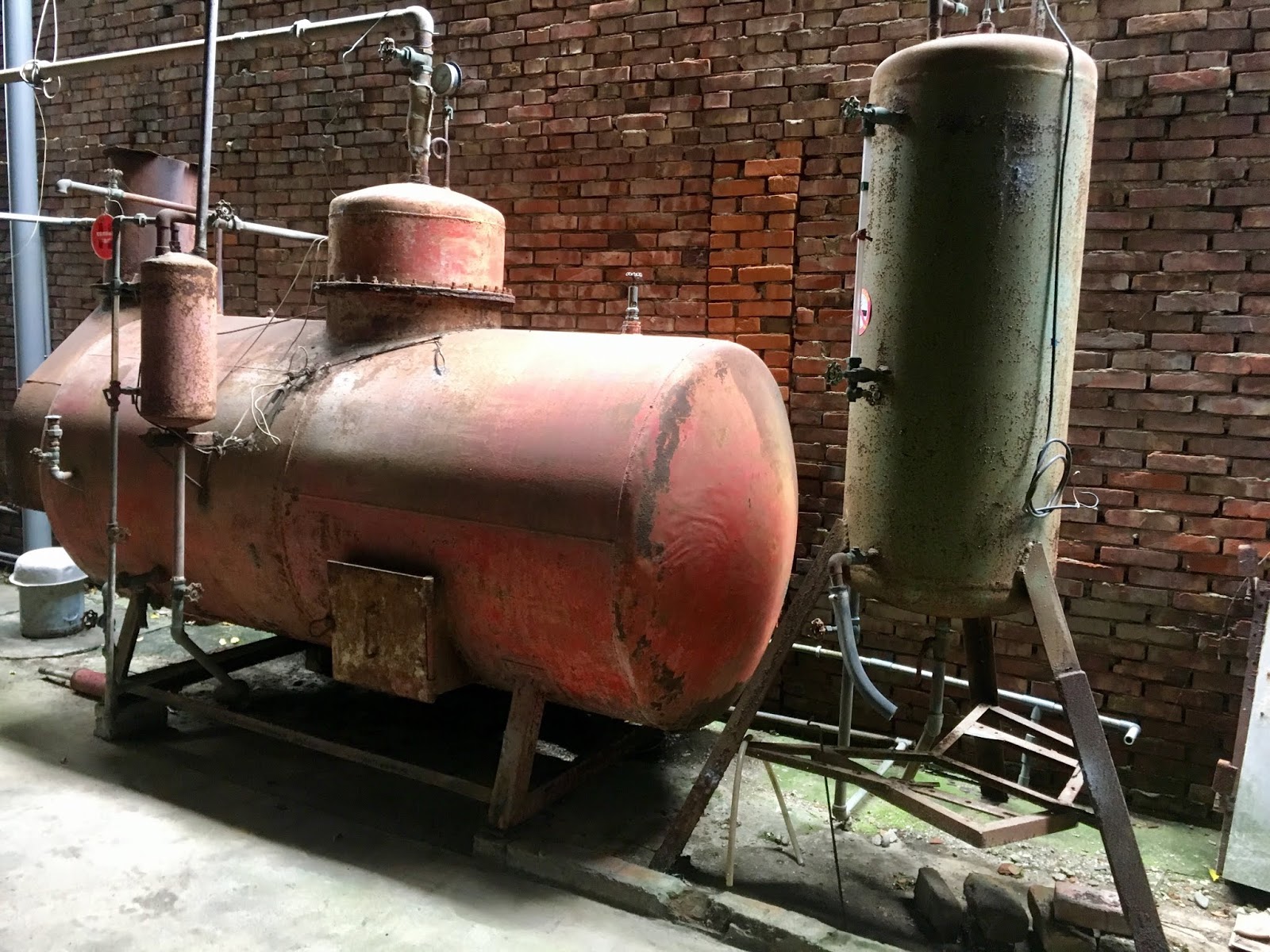
The Jintai Tea Factory, nestled in the heart of Guanxi, Hsinchu County, boasts a storied legacy in the production of renowned Hakka teas, including Oriental Beauty Tea, Lei Cha, and fruit tea. This esteemed establishment, founded in 1936 by Luo Jinxi, initially commenced its operations using equipment that had gracefully aged over 70 years. During the Japanese occupation, it operated relentlessly with a workforce exceeding 50 individuals, and its output of 50,000 kilograms of raw tea found its way to destinations worldwide. The factory's unwavering commitment to both productivity and quality earned it widespread recognition, including accolades in prestigious tea competitions.
In response to surging demand, a new Guanxi Factory was erected in 1938. This expansion was marked not only by the introduction of modern machinery but also the preservation of traditional equipment, resulting in a harmonious blend of old and new. This strategic move effectively tripled the factory's size, ushering in a new era of enhanced efficiency. Today, the Jintai Tea Factory occupies an expansive area spanning approximately 5,000 pings (a unit of land measurement in Taiwan) and stands as a living testament to its rich historical legacy, housing valuable artifacts that reflect its enduring heritage.
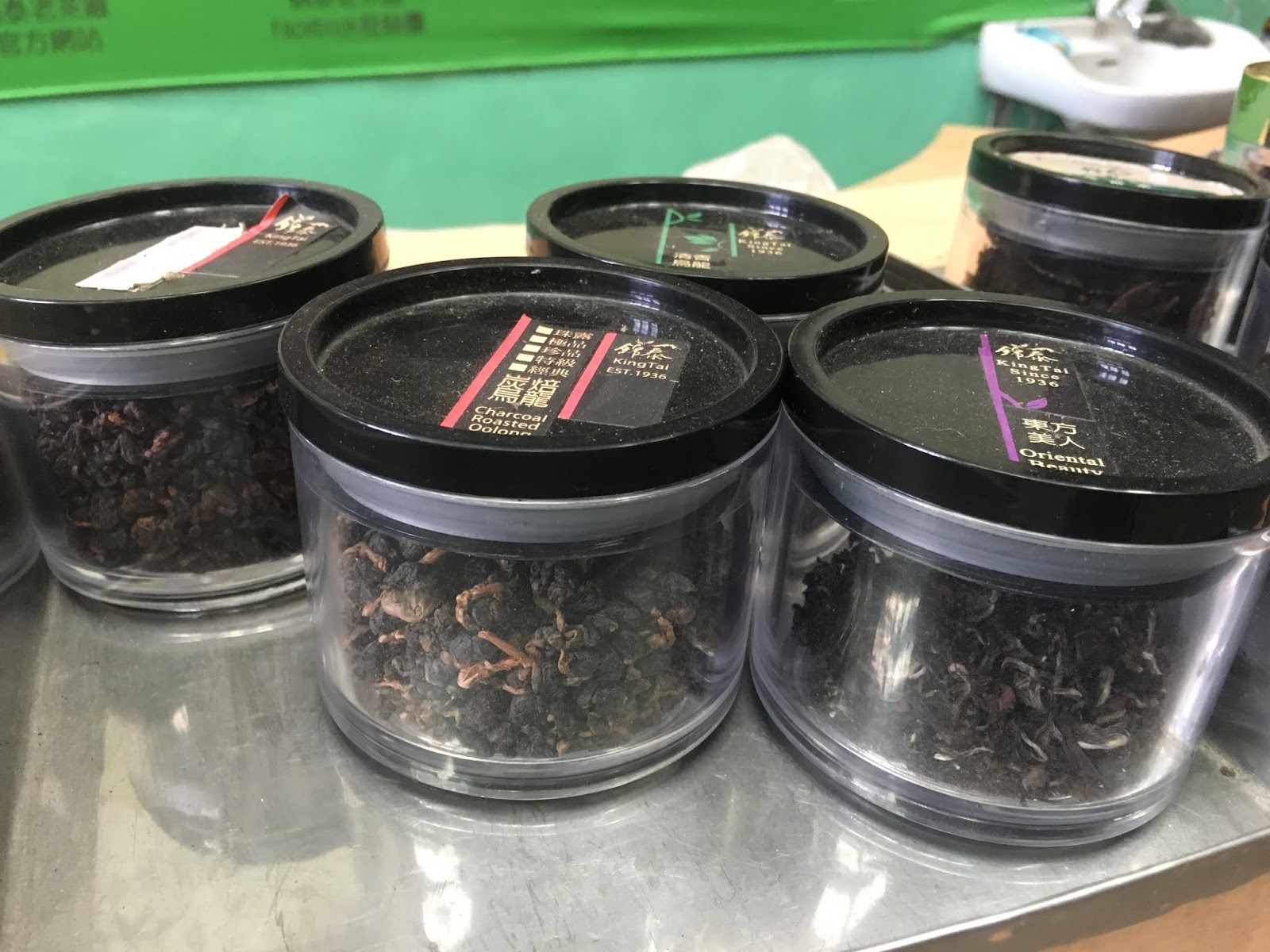
As the landscape of tea production in Hsinchu evolved over time, Mr. Luo Jinxi demonstrated remarkable adaptability. In 1991, he diversified the company's focus towards tourism and domestic research and development. Pioneering innovative tea varieties like sour citrus tea and blending traditional techniques with modern technology, such as longan charcoal roasting for alpine oolong tea, the Jintai Tea Factory continues to push boundaries. It has metamorphosed into the Hsinchu Jintai Sightseeing Tea Factory, a multifaceted institution that not only produces exceptional teas but also hosts the Jintai Tea Cultural Relics Museum. Furthermore, the factory's profound historical significance has led to its designation as a cultural monument, serving as a living testament to Taiwan's rich tea history and heritage.


Hakka-style tea
One of the noteworthy Hakka fruit teas is Bitter Orange Tea, crafted from Huton Gan, a generously sized bitter citrus fruit. Traditionally, this fruit is often used as a decorative element during Chinese New Year celebrations, but its inherent bitterness typically deters its consumption. However, the ingenious preparation of Bitter Orange Tea involves thoroughly cleaning the fruit's interior and filling it with tea leaves. The result is a delightful infusion with a complex flavor profile, encompassing sweetness, subtle sourness, and a lingering bitterness. This unique tea undergoes a meticulous process of nine steaming and nine drying cycles, spanning approximately half a year. The extended air drying period contributes to its distinct flavor, and notably, this tea contains no added preservatives. Additionally, it exhibits reduced foaming compared to conventional teas, making it a distinctive and cherished beverage choice.
Another renowned Hakka tea is Lei Cha, also known as Pounded Tea. According to legend, during the Three Kingdoms period, soldiers faced a plague outbreak. An elderly herbal doctor concocted a healing tea by mixing raw tea leaves, rice, and ginger with boiling water, which remarkably aided the soldiers in recovering their health. In contemporary times, Lei Cha can be savored as both a beverage and a dessert. Its versatility lies in the diverse array of ingredients that can be incorporated, such as sesame, red beans, soybeans, barley, lotus seeds, or pumpkin, creating a delightful fusion of flavors and textures.
Roasted oolong tea, on the other hand, is a product of meticulous charcoal roasting. The tea leaves undergo a transformation during the baking process, resulting in a rich brown hue that characterizes brown oolong tea. This tea boasts an infusion that exudes an inviting amber color, a robust flavor profile, and a captivating aroma that's uniquely its own. Beyond its delightful taste, roasted oolong tea is known for its efficacy in combating greasiness, aiding digestion, and alleviating the effects of indulgence, making it particularly well-suited for consumption after a hearty, oily meal.


Guanxi Old Street (關西老街)
Guanxi Street, originally named Guanxi Zhuang, was established in 1920. The buildings along Guanxi Old Street are predominantly two-story structures adorned with Baroque-style facades. Typically, Old Streets are bustling with visitors on weekends, but during our visit, we didn't encounter many. However, this charming locale boasts a variety of shops, including a century-old bookstore renowned for its extensive collection of 3,000 books. Additionally, you'll find a clothing store specializing in natural dyes and a delightful teahouse.
Exploring the historical alley is another highlight of this area, steeped in memories. This narrow alley, in existence for over a century, once served as a shortcut to the Dongtai Theatre, where countless young people gathered to watch movies and share their love stories. It holds cherished memories from past generations. The goal was to recreate the ambiance of this narrow alley in modern life, offering young people a chance to connect with its history and relish a unique and comfortable walking experience. As you stroll along this alley, you'll come across paintings on the ground and stories etched onto the walls. Although the theatre building now appears quite dilapidated, you can locate a QR code on the structure that links to a video about Guanxi.