Showing posts with label aiyu jelly. Show all posts

July 1, 2021

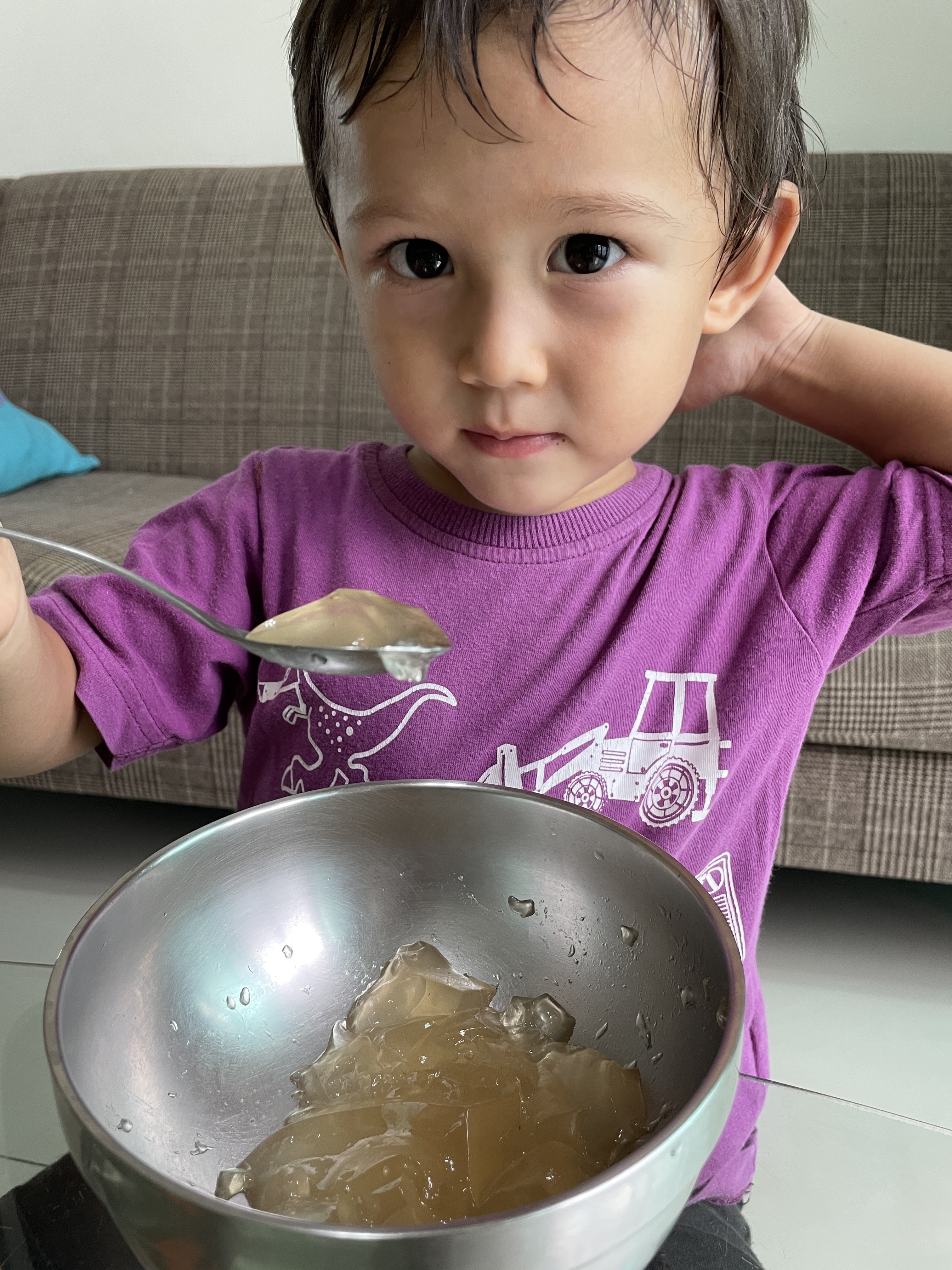
Adrian's first time making Aiyu Jelly


Still staying home, not only because of the virus but also due to plenty of rainy days. I'm starting to feel a little tired always needing to entertain our son, Adrian. He likes to play in the kitchen with me, although our space is really small, and it's inconvenient for me if he wants to cook together. Especially lately, he watched some videos with me where a little girl was helping her parents cook (or rather make a mess).
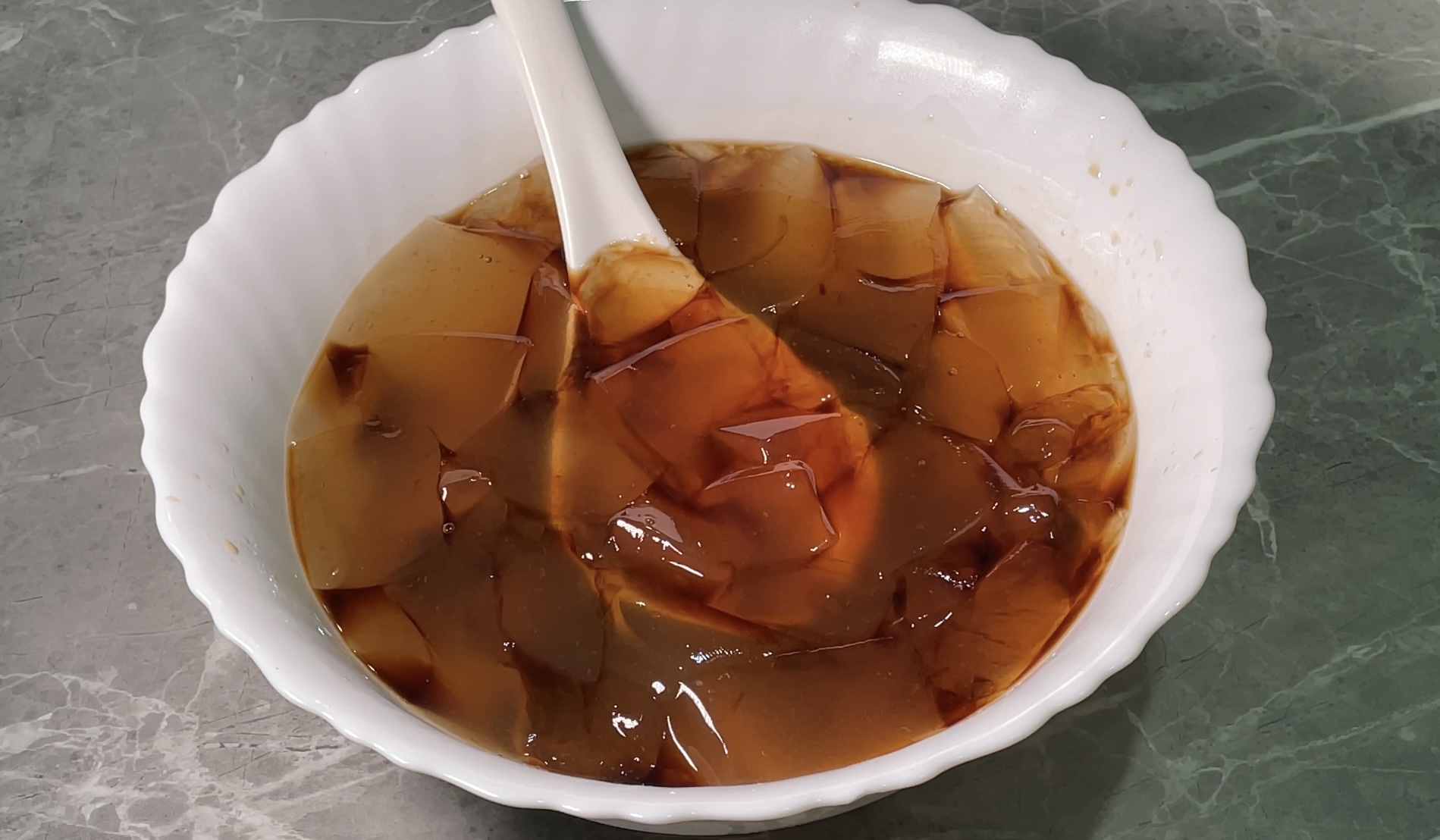
While doing some cleanup in the kitchen, I found many aiyu shells waiting in the cupboard to be used. Actually, I tried to make my first aiyu jelly two years ago, but it was a fail. After that, the remaining seeds were left unused. I was lazy to do anything with them, but now that I have a lot of free time, I have no excuses. This time, at least, it really condensed and made jelly, not just gelatinous water. Yay! Adrian was really excited to eat it.

We started by scrubbing the seeds from the aiyu plant and placing them in a bag. We bought the bag at a grocery store, specifically made for washing aiyu. After gently rubbing the seeds in water, they soon became more gelatinous and turned yellowish in color. I added some sugar melted in warm water, and then we cooled it down in the fridge. After about half an hour, it was ready to eat!

If you want to know what's aiyu, check my another post HERE.


September 24, 2019

[Recipe] What is Aiyu Jelly and how to prepare it

aiyu jelly, desserts, taiwan

Visiting my husband's uncle in Taidong, we discovered some aiyu plants in his garden. It was the first time for me to see the plant and learn about the preparation process. We even got some aiyu seeds to make our own jelly at home.

Aiyu jelly (愛玉凍; àiyùdòng) is a jelly made from the gel extracted from the seeds of the awkeotsang creeping fig, which is found in Taiwan and other East Asian countries with similar climates. The jelly is not commonly made or found outside of Taiwan and Singapore, although it can be purchased fresh in specialty stores in Japan and canned in Chinatowns. Aiyu jelly is also used in Taiwanese cuisine and is popular in the historical town of Ipoh in Malaysia, known as Aiyu Jelly or "wan tau long" in the local Cantonese dialect.
Traditionally, aiyu jelly is served with honey and lemon juice. It can also be added to other sweetened beverages or shaved ice, making it a refreshing drink, particularly during hot summers. Due to the gel's resistance to dissolving in hot water, aiyu is sometimes used as an ingredient in hot pot dishes.

The gelling agent in aiyu seeds is pectin, which is found in the transparent layer on the surface of the seeds. To extract the pectin, the seeds are washed and rubbed rather than ground into a powder. The main component of the water extract is LMP (low methoxy pectin), as opposed to the high methoxy pectins found in commercially used sources such as apples or citrus peels. LMP gels in the presence of divalent cations, which are present in water (when it's not distilled), resulting in the formation of jelly.

aiyu figs vine and fruit, taiwan

aiyu figs fruit peels, taiwan

aiyu figs fruit, taiwan

The origin of Aiyu jelly

According to oral history, the plant and the jelly were named after the daughter of a Taiwanese tea businessman in the 1800s. The jelling property of the seeds was discovered by the businessman as he drank water from a creek in Chiayi. He noticed a clear yellowish jelly in the water and found it refreshing upon tasting it. When he looked above the creek, he saw fruits on hanging vines that contained seeds exuding a sticky gel when rubbed.

Impressed by the discovery, he collected some fruits and served them at home with honeyed lemon juice and sweetened beverages. The jelly-containing beverage became popular and was eventually sold by his 15-year-old daughter, Aiyu. As the snack gained popularity, the businessman named the jelly and the vines after his daughter. However, the Austronesian name "igos," derived from the Spanish word "higo," suggests a possible Austronesian origin for this food.

aiyu figs fruit seeds, taiwan

aiyu figs fruit seeds, taiwan

Harvesting and preparation of jelly 

The fruits of the creeping fig (Ficus pumila var. awkeotsang) resemble large fig fruits about the size of small mangoes and are harvested from September to January, just before they ripen to a dark purple color. The fruits are halved and turned inside out to dry over several days.
To prepare the jelly, the aiyu seeds are placed in a cloth bag and submerged in water. The bag is then rubbed, extracting a slimy gel from the seeds. This process is known as "washing aiyu" in Chinese (洗愛玉). The washed gel is then left to set into a jelly in a cool location or in the refrigerator.

To make aiyu jelly you need about 20g aiyu seeds and 1L water.
Separate the aiyu seeds from the shells.
Place the seeds in a cloth bag and soak them in water for about 5 minutes.
Wash the seeds in water, gently rubbing them for 3 minutes.
During the washing process, the water will become more gelatinous.
Allow the aiyu jelly to set in a cool place or in the fridge.
Cut the jelly into smaller pieces.
Add some sugar syrup and lemon juice, as the jelly itself doesn't have a strong flavor.


making aiyu jelly, taiwan

making aiyu jelly, taiwan

making aiyu jelly, taiwan

making aiyu jelly, taiwan

making aiyu jelly, taiwan

making aiyu jelly, taiwan

making aiyu jelly, taiwan

making aiyu jelly, taiwan