Showing posts with label cooking. Show all posts

February 8, 2023

[Recipe] What's Nian Gao? Lunar New Year Sticky Rice Cake

What's Nian Gao (年糕)?

Nian gao (年糕), a Chinese New Year's cake, is a food made from glutinous rice flour. It is considered good luck to eat nian gao during this time of the year because nian gao sounds like "higher year" or "grow every year" (年高) in Chinese, symbolizing a wish for a prosperous year. The traditional nian gao is round in shape with an auspicious decoration such as the character for prosperity (福) on top.
This sticky sweet snack was believed to be an offering to the Kitchen God, with the intention of sticking his mouth with the cake so that he would not badmouth the human family in front of the Jade Emperor.

There are several types of nian gao: Guangdong, Fujian/Hokkien, Jiangnan/Shanghainese, and Northern. Similar cakes can also be found in different countries such as Burma, Cambodia, Japan, Vietnam, Korea, and Indonesia.

In Guangdong, sweet nian gao is dipped in egg and pan-fried. It's usually sweetened with brown sugar, resulting in a distinct dark yellow color. The batter is poured into a cake pan and steamed until it solidifies. Once heated, the nian gao becomes stretchy and extremely sticky.
In the southern region of Fujian, nian gao is mainly used for New Year rituals and gifts. It is made of glutinous rice and taro, sliced and cooked before eating. It can also be wrapped in egg or cornstarch and fried.
Shanghai-style savory fried nian gao is made by mixing rice with glutinous rice powder. The softer version has a higher proportion of glutinous rice. Cooking methods include steaming, frying, slicing and frying, or using it in soup. The Shanghai style keeps the nian gao white, which is its distinct feature. When served as a dish, the most common method is stir-frying. There are three general types: savory with ingredients like scallions, beef, pork, cabbage, and Chinese cabbage; sweet using standard white sugar; and almost tasteless but enjoyed for its chewy texture.
Northern nian gao can be steamed or fried and is mainly sweet in taste. Beijing versions include jujube with either glutinous rice or yellow rice. Shanxi makes nian gao using yellow rice and fillings such as red bean paste or jujube paste. Hebei uses jujube, small red beans, and green beans to make steamed nian gao. Shandong nian gao is made of red dates and yellow rice, while the Northeast type is made of beans on sticky sorghum.

Steamed Nian Gao Recipe

Typically, in Taiwan, Guangdong-style Nian Gao is commonly eaten.

Ingredients:
300g glutinous rice powder
1200g dark brown sugar
220g water
Egg (for coating)
Oil (for pan-frying)

Instructions:
1. In a mixing bowl, combine glutinous rice powder, dark brown sugar, and warm water. 
2. Mix well until you achieve a smooth, lump-free batter.
3. Line a cake tin with parchment paper to prevent sticking. 
4. Pour the mixture into the prepared cake tin.
5. Place the cake tin in a steamer.
6. Steam the mixture for 1 to 1.5 hours until it solidifies. 
7. Allow the steamed cake to cool to room temperature. For best results, refrigerate overnight to let it harden.
8. Once the cake has hardened, remove it from the cake tin and slice it into your desired pieces.
9. Beat an egg in a bowl.
10. Dip each slice of the rice cake into the beaten egg
11. Heat oil in a pan over medium heat.
12. Place the egg-coated rice cake slices into the pan, cooking each side until golden brown and crispy.
13. Serve your pan-fried glutinous rice cakes warm.

I also have a video tutorial on my YouTube channel that you can check out for reference.

Baked Nian Gao Recipe

I also prepared another version of Nian Gao, which is not traditional but similar to Hawaiian Mochi Cake. Instead of steaming, it is baked, but it is still very easy to prepare.
Freshly baked, this cake boasts a delightful gooey texture. For the best experience, I recommend consuming it within the first three days. Refrigeration, while possible, may lead to a firmer texture as the cake continues to set. Enjoy the gooey goodness while it's at its prime!

Ingredients:
140g glutinous rice flour
80g brown sugar
200g milk
50g oil
2 eggs
4g baking powder
40g chopped walnuts (for topping)

Preparation:
1. In a mixing bowl, combine glutinous rice powder, oil, eggs, dark brown sugar, and warm milk. 
2. Thoroughly mix until all ingredients are well incorporated.
3. Line a rectangular or square baking tin with parchment paper. 
4. Pour the prepared mixture into the lined baking tin
5. Sprinkle a generous amount of chopped walnuts evenly over the top of the mixture in the tin. The walnuts will add a delightful crunch and flavor to the cake.
6. Place the baking tin in the preheated oven [180°C (356°F)] and bake the sticky rice cake for approximately 45 minutes or until it is fully set. 7. Once the cake is done baking, remove it from the oven and allow it to cool.
8. Freshly baked cake is nicely gooey. I don't recommend to keep it more than 3 days, as the cake will harden more once refrigerated.

I also have a video tutorial on my YouTube channel that you can check out for reference.


July 1, 2021

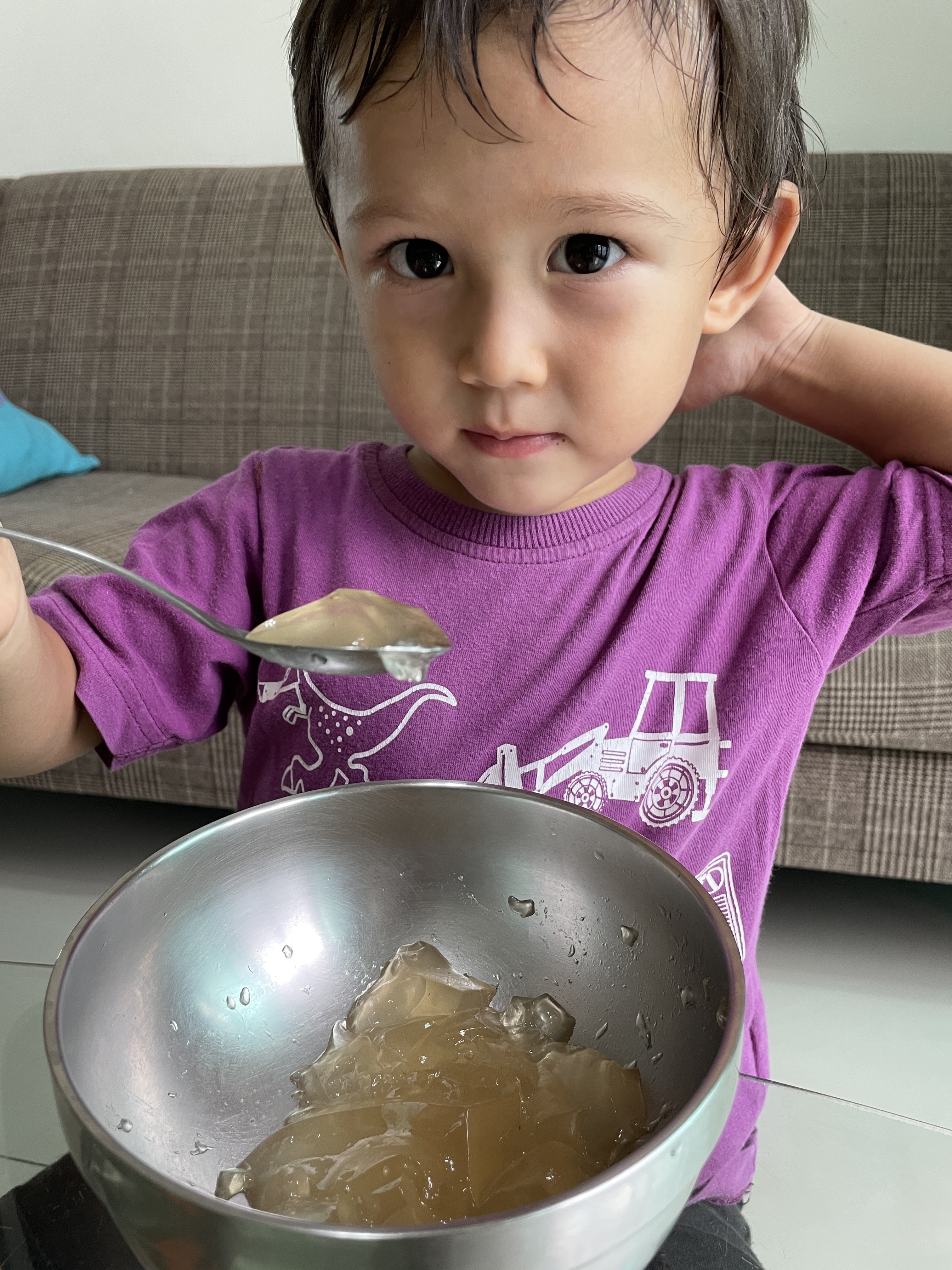
Adrian's first time making Aiyu Jelly


Still staying home, not only because of the virus but also due to plenty of rainy days. I'm starting to feel a little tired always needing to entertain our son, Adrian. He likes to play in the kitchen with me, although our space is really small, and it's inconvenient for me if he wants to cook together. Especially lately, he watched some videos with me where a little girl was helping her parents cook (or rather make a mess).
While doing some cleanup in the kitchen, I found many aiyu shells waiting in the cupboard to be used. Actually, I tried to make my first aiyu jelly two years ago, but it was a fail. After that, the remaining seeds were left unused. I was lazy to do anything with them, but now that I have a lot of free time, I have no excuses. This time, at least, it really condensed and made jelly, not just gelatinous water. Yay! Adrian was really excited to eat it.

We started by scrubbing the seeds from the aiyu plant and placing them in a bag. We bought the bag at a grocery store, specifically made for washing aiyu. After gently rubbing the seeds in water, they soon became more gelatinous and turned yellowish in color. I added some sugar melted in warm water, and then we cooled it down in the fridge. After about half an hour, it was ready to eat!

If you want to know what's aiyu, check my another post HERE.


June 16, 2021

Sweet dumplings?? Polish people are strange! (+ Recipes)


I've much more time currently, so I've started cooking different Asian and Polish dishes. Lately, I've been making dumplings (I don't remember ever making them from scratch before). Taiwan has plenty of options for dumplings, but they are usually savory, such as baozi (steamed buns), tangyuan (glutinous rice dumplings), or mochi (Japanese rice cakes). These are often sweet and filled with sesame, peanut paste, custard, taro, or red beans. While I enjoy them, there are still some flavors I miss from my childhood. In Poland, we have savory dumplings, usually filled with meat or cabbage and mushrooms. In the past, I wasn't a fan of savory dumplings and barely ate meat, so my all-time favorite was filled with blueberries, strawberries, and cream cheese. The only exception was Ruthenian Dumplings, which are filled with a potato and cheese mixture spiced with pepper.

Another difference in eating dumplings is that in Taiwan, they are often dipped in soy sauce, sometimes with added ginger. In Poland, we would cover them with sauce as well. For savory dumplings, we often fry onions with fatty meat or bacon. For sweet dumplings, we would use sour cream and sugar.
When it comes to dumplings, the dough is usually made of flour and water. In Poland, we have different types of food classified as dumplings in English, such as potato dumplings (kopytka), Silesian dumplings (kluski śląskie), lazy dumplings (pierogi leniwe), potato plum dumplings (knedle ze śliwkami), or "Little Ears" dumplings (uszka).

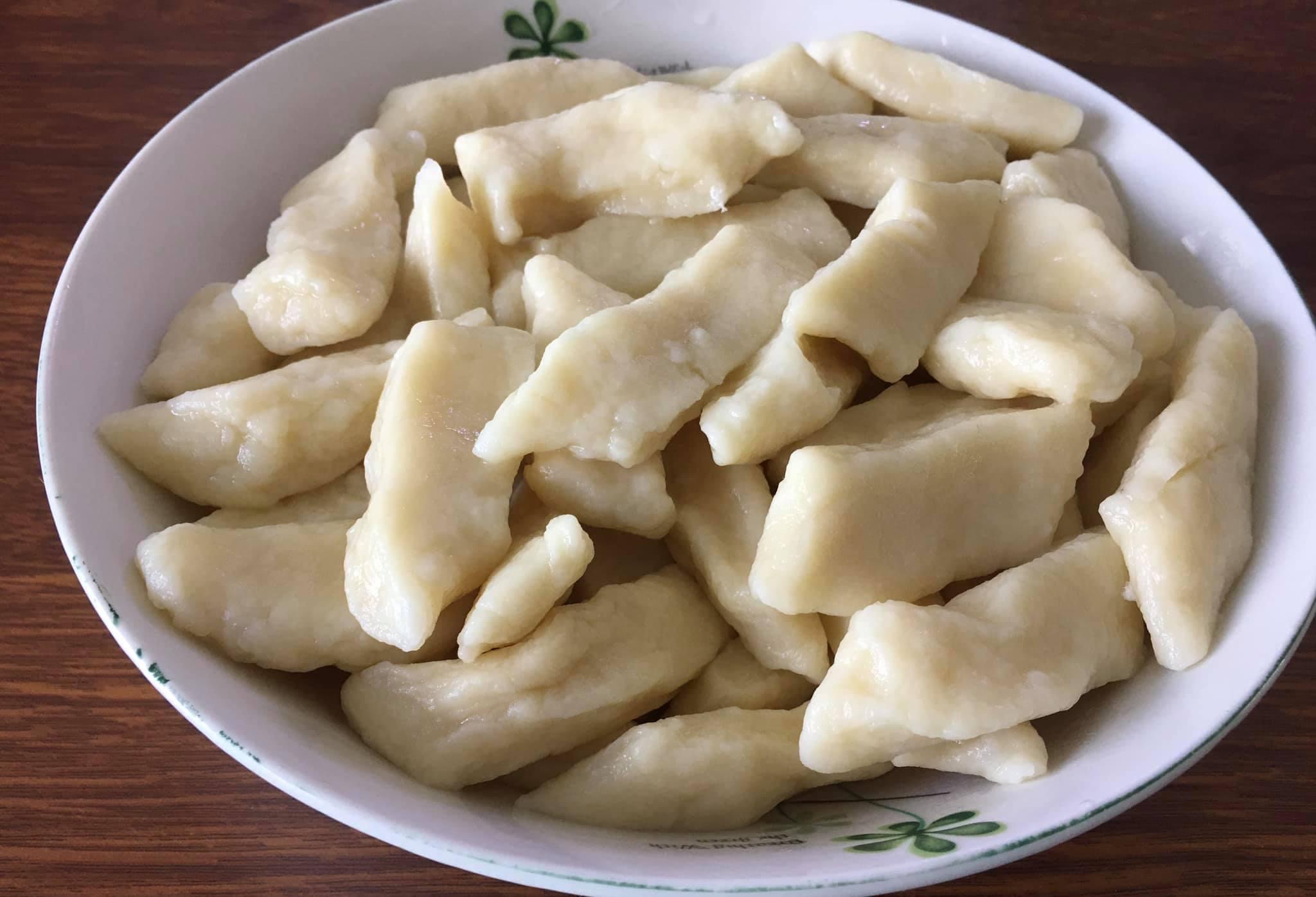
Potato dumplings (kopytka) are made by mixing cooked potatoes with flour and egg. The dough is then rolled into thin rolls, flattened, and cut into little hoof shapes (kopytka). After boiling, they can be served sweet or savory.

Silesian dumplings (kluski śląskie) are also made from boiled potatoes, but potato flour is used instead of wheat flour. The dough is rolled into small balls, flattened, and pressed in the middle to create a little hole.

Lazy dumplings (pierogi leniwe) can be made with or without potatoes, using cottage cheese (twaróg), eggs, and flour. They are rolled and cut in a similar way to kopytka.

Potato plum dumplings (knedle ze śliwkami) are also made with a potato-based dough. They are round in shape with a plum inside.

"Little Ears" dumplings (uszka) are made similarly to regular dumplings, but they are folded differently. They are usually stuffed with sauerkraut and mushrooms and served in beetroot soup (barszcz) for Christmas Eve.

Dumplings

Potato dumplings / Little hoofs (kopytka)

Silesian dumplings (kluski śląskie)

Cheese dumplings recipe:

Dough:
- 250 g flour
- 150 g hot water

Filling:
- 250 g cream cheese
- 30 g sugar powder

Directions: 
1. Pour hot water into the flour and mix it with a spoon until well combined.
2. Knead the dough until it becomes very elastic and smooth.
3. Roll out the dough thinly on a floured surface.
4. Use a cup or any round object to cut out round shapes from the dough.
5. In a separate bowl, mix the cheese with powdered sugar until well blended.
6. Place a spoonful of the cheese filling in the center of each round dough piece.
7. Fold the dough in half, sealing the edges to enclose the filling.
8. Bring a pot of water to a boil and add a pinch of salt.
9. Carefully place the dumplings into the boiling water and cook them for about 7-10 minutes, or until they float to the surface.
10. Once the dumplings are cooked, remove them from the water using a slotted spoon and serve them hot.

Traditionally, dumplings in Poland use cottage cheese (twaróg), which is not readily available in Taiwan. I used American/Australian-style cream cheese (the type used for baking cheesecakes) and it worked really well.


Silesian dumplings recipe:

Dough:
- 300 g potatoes (after peeling)
- 60 g potato starch
- egg (optional)

Directions:
1. Start by peeling the potatoes, then boil them until they are cooked through.
2. Once the potatoes are cooked, drain them and mash them until smooth.
3. Add the potato starch to the mashed potatoes. If you don't have a scale, you can estimate the amount.
4. In a bowl, flatten the mashed potatoes and divide them into four equal parts.
5. Take one part out and fill the space with potato starch. Then, combine the remaining potatoes and knead the mixture until it forms a dough.
6. Roll out the dough into a thin sheet and cut it into evenly-sized pieces.
7. Shape each piece into a round dumpling and flatten it slightly. Make a small indentation in the middle of each dumpling using your thumb.
8. Bring a pot of water to a boil and add a pinch of salt.
9. Carefully place the dumplings into the boiling water and cook them for approximately 3-5 minutes, or until they float to the surface.
10. Once the dumplings are cooked, remove them from the water using a slotted spoon and serve them hot.

Lazy dumplings with cheese recipe:

Dough:
- 250 g potatoes (after peeling)
- 125 g cheese
- 150 g flour
- 1 egg

Directions:
1. Peel the potatoes and cut them into small pieces. Boil the potatoes until they are soft.
2. Drain the potatoes and mash them well with cheese until smooth.
3. Add an egg and flour to the mashed potatoes and cheese. Knead the mixture until it forms a dough.
4. Take small portions of the dough and roll them into thin logs.
5. Flatten the logs and cut them into diamond-shaped dumplings.
6. Bring a pot of water to a boil and add a pinch of salt.
7. Carefully drop the dumplings into the boiling water and cook them for 3-4 minutes, or until they float to the surface.
8. Remove the cooked dumplings from the water using a slotted spoon and transfer them to a serving dish.
9. Serve the dumplings hot as a delicious and comforting dish.


September 24, 2019

[Recipe] What is Aiyu Jelly and how to prepare it

aiyu jelly, desserts, taiwan

Visiting my husband's uncle in Taidong, we discovered some aiyu plants in his garden. It was the first time for me to see the plant and learn about the preparation process. We even got some aiyu seeds to make our own jelly at home.

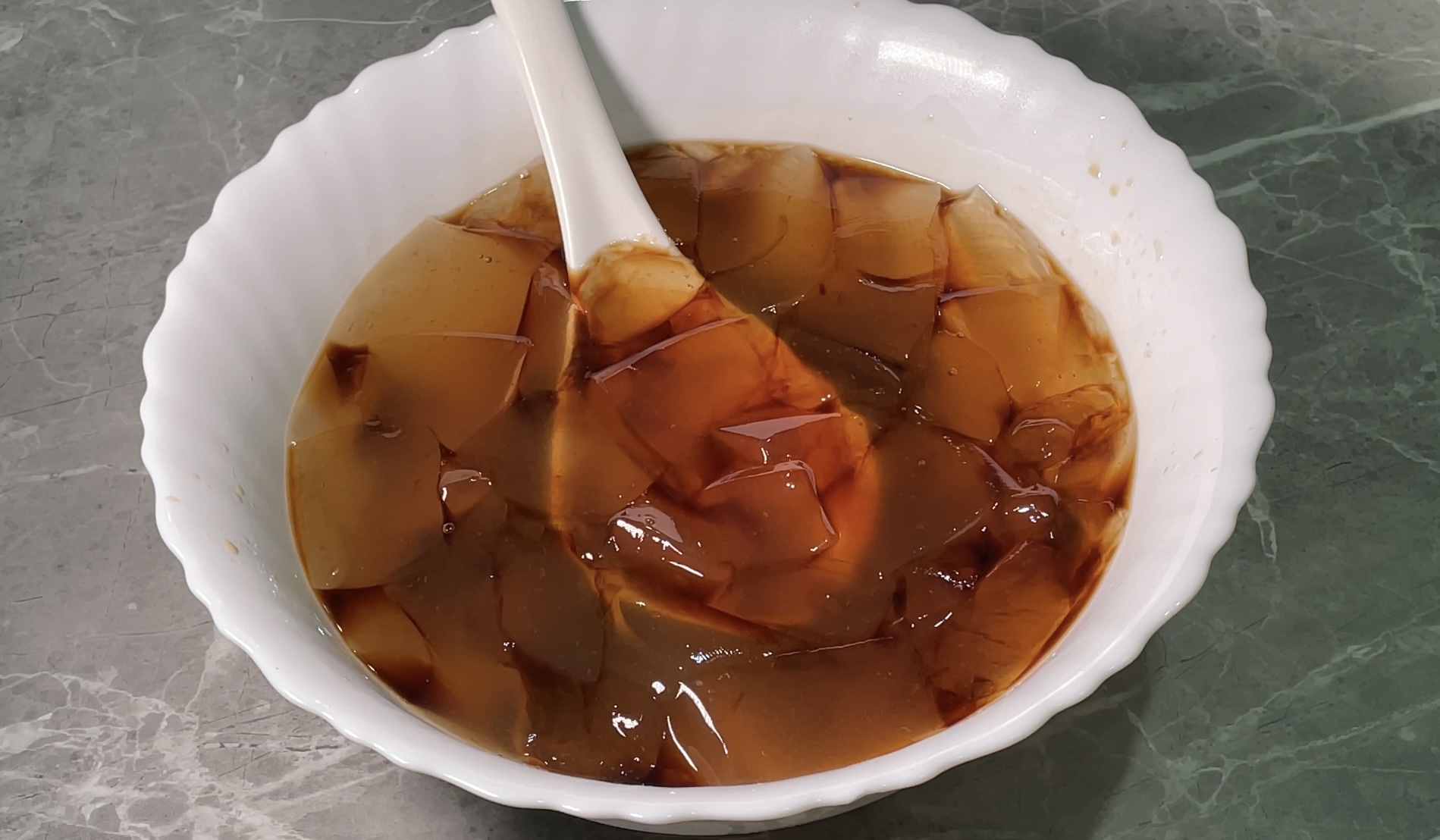
Aiyu jelly (愛玉凍; àiyùdòng) is a jelly made from the gel extracted from the seeds of the awkeotsang creeping fig, which is found in Taiwan and other East Asian countries with similar climates. The jelly is not commonly made or found outside of Taiwan and Singapore, although it can be purchased fresh in specialty stores in Japan and canned in Chinatowns. Aiyu jelly is also used in Taiwanese cuisine and is popular in the historical town of Ipoh in Malaysia, known as Aiyu Jelly or "wan tau long" in the local Cantonese dialect.
Traditionally, aiyu jelly is served with honey and lemon juice. It can also be added to other sweetened beverages or shaved ice, making it a refreshing drink, particularly during hot summers. Due to the gel's resistance to dissolving in hot water, aiyu is sometimes used as an ingredient in hot pot dishes.

The gelling agent in aiyu seeds is pectin, which is found in the transparent layer on the surface of the seeds. To extract the pectin, the seeds are washed and rubbed rather than ground into a powder. The main component of the water extract is LMP (low methoxy pectin), as opposed to the high methoxy pectins found in commercially used sources such as apples or citrus peels. LMP gels in the presence of divalent cations, which are present in water (when it's not distilled), resulting in the formation of jelly.

aiyu figs vine and fruit, taiwan

aiyu figs fruit peels, taiwan

aiyu figs fruit, taiwan

The origin of Aiyu jelly

According to oral history, the plant and the jelly were named after the daughter of a Taiwanese tea businessman in the 1800s. The jelling property of the seeds was discovered by the businessman as he drank water from a creek in Chiayi. He noticed a clear yellowish jelly in the water and found it refreshing upon tasting it. When he looked above the creek, he saw fruits on hanging vines that contained seeds exuding a sticky gel when rubbed.

Impressed by the discovery, he collected some fruits and served them at home with honeyed lemon juice and sweetened beverages. The jelly-containing beverage became popular and was eventually sold by his 15-year-old daughter, Aiyu. As the snack gained popularity, the businessman named the jelly and the vines after his daughter. However, the Austronesian name "igos," derived from the Spanish word "higo," suggests a possible Austronesian origin for this food.

aiyu figs fruit seeds, taiwan

aiyu figs fruit seeds, taiwan

Harvesting and preparation of jelly 

The fruits of the creeping fig (Ficus pumila var. awkeotsang) resemble large fig fruits about the size of small mangoes and are harvested from September to January, just before they ripen to a dark purple color. The fruits are halved and turned inside out to dry over several days.
To prepare the jelly, the aiyu seeds are placed in a cloth bag and submerged in water. The bag is then rubbed, extracting a slimy gel from the seeds. This process is known as "washing aiyu" in Chinese (洗愛玉). The washed gel is then left to set into a jelly in a cool location or in the refrigerator.

To make aiyu jelly you need about 20g aiyu seeds and 1L water.
Separate the aiyu seeds from the shells.
Place the seeds in a cloth bag and soak them in water for about 5 minutes.
Wash the seeds in water, gently rubbing them for 3 minutes.
During the washing process, the water will become more gelatinous.
Allow the aiyu jelly to set in a cool place or in the fridge.
Cut the jelly into smaller pieces.
Add some sugar syrup and lemon juice, as the jelly itself doesn't have a strong flavor.


making aiyu jelly, taiwan

making aiyu jelly, taiwan

making aiyu jelly, taiwan

making aiyu jelly, taiwan

making aiyu jelly, taiwan

making aiyu jelly, taiwan

making aiyu jelly, taiwan

making aiyu jelly, taiwan