October 2, 2019

Dulan Forest - Archeological Site and Sugar Factory

Travel Date: 2019/08/31-09/02

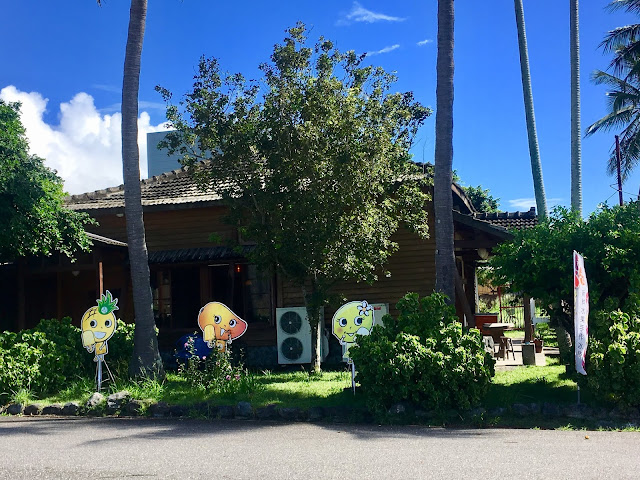
Dulan is a very popular area among foreigners, and you can find many shops here that offer foreign food. It's easy to spot foreigners on the streets as well. During our visit, we didn't stay for a long time, but we did see the Dulan Site, which is a small but interesting place, and we stopped to take some pictures at the Sugar Factory.

Dulan Forest (都蘭林場)

Dulan Forest is located in Donghe Township and is home to the Ami tribe. Despite the development of tourism, the tribe has managed to preserve many of their traditional customs and cultures. According to oral records and research, the Ami people have been living in Dulan for about 3,500 years. The village was originally called Gegalasan, but it was later renamed Edoulan, meaning the accumulation of stones or frequent earthquakes. After the Japanese occupation period, it was officially named "Tudor," and in 1937, it was renamed "Dulan." This area is considered to be the birthplace of the Ami people. The Dulan Fengnian Festival, held from June to August each year, is a significant event for the Dulan Ami. The festival includes various activities such as the Warriors dance, which tests endurance and perseverance.

dulan forest, taitung, taiwan

Dulan Site (都蘭遺址)

The Dulan Site is located in the northwest of Dulan Village on a mild marine terrace. It contains well-preserved stone coffins and stone walls. The site, classified as a third-grade historical site, was excavated during the Japanese rule, revealing rectangle stony coffins. Further investigations by Academia Sinica led to the discovery of giant stone piles. The site and its objects date back 3,000 years and are believed to be part of the Kirin Culture. The area is now considered a protected cultural heritage and is divided into the stony coffin area and stony wall area. It is believed that more historical sites are nearby and await excavation.

dulan archeological site, taitung, taiwan

dulan archeological site, taitung, taiwan

dulan archeological site, taitung, taiwan

dulan archeological site, taitung, taiwan

dulan archeological site, taitung, taiwan

 Sugar factory (新東糖廠文化園區)

Xindong Sugar Factory, also known as Dulan Sugar Factory, is a historic landmark located in Dulan Village. Originally founded in 1933 during the Japanese occupation period by Lai Wenyu, the factory was primarily engaged in promoting sugarcane cultivation and brown sugar production. Over the years, it played a significant role in the local economy and became an important part of the community.
During its heyday, the Xindong Sugar Factory witnessed tremendous growth and success. In 1944, the Dongtai Sugar Field Joint Venture Club was established, marking a new chapter for the factory. With advanced sugar machinery and equipment, the factory experienced a surge in production and efficiency. Its brown sugar, known for its high quality, was highly sought after and sold to Japan.

However, the factory faced challenges during World War II. Bombings and transportation disruptions affected its operations, leading to a decline in sales and profitability. Despite these difficulties, the factory continued to operate until the end of the war. Tragically, its founder, Lai Wenyu, passed away shortly after the war, marking the end of an era.
In 1960, a new chapter began for the Xindong Sugar Factory. Led by a visionary individual from Hsinchu with experience in brown sugar production, the factory was revitalized. It underwent renovations and modernization to restore sugarcane cultivation and brown sugar production. The surrounding area, including Donghe Township, Liji Village of Beinan Township, and parts of Chenggong Town, became a thriving sugarcane planting region.

During the late 1970s, the factory reached its peak production, becoming the leading brown sugar producer in Taiwan. Its sugarcane planting area covered vast hectares, and it contributed significantly to the local economy. However, with Taiwan's economic restructuring in the mid-1980s and the rise in wages, the factory faced challenges in sustaining its operations. The closure of labor-intensive brown sugar factories in other parts of Taiwan further impacted its prospects.
Ultimately, in 1991, the Xindong Sugar Factory ceased its sugar business and entered a period of idleness. However, its story did not end there. The factory found new life as a cultural relic and creative hub for artists and craftsmen. Si Ki Xiju Sufei Studio took over the space, attracting domestic and international artists to create and exhibit their works.

Recognizing the historical and cultural significance of the factory, the Taitung County Government established the Dulan Brown Sugar Culture Park. The park encompasses various spaces within the factory complex, including the transformed office and dormitory areas, which now house galleries, restaurants, and homestays.
Visitors to the Xindong Sugar Factory can explore the rich history of the sugar industry in eastern Taiwan. They can learn about the traditional process of brown sugar production, view exhibitions by local artists, indulge in diverse culinary experiences, and even stay in the former staff quarters, now converted into cozy homestays. The factory's distinctive architecture, including its concrete structures and iconic chimney, adds to the charm and character of the site.
Today, the Xindong Sugar Factory stands as a testament to the resilience and adaptability of the local community. It preserves the legacy of the sugar industry while embracing its new role as a cultural and artistic destination in Dulan Village.

sugar factory, taitung, taiwan

sugar factory, taitung, taiwan

sugar factory, taitung, taiwan

sugar factory, taitung, taiwan 

sugar factory, taitung, taiwan

sugar factory, taitung, taiwan

sugar factory, taitung, taiwan

Address:

1. Dulan Site: 959台東縣東河鄉都蘭村都蘭遺址
2. Sugar Factory: 台東縣東河鄉61號新東糖廠文化園區

September 27, 2019

Taitung Travel: Attractions of Dulan Forest's coastal area

Travel Date: 2019/08/31-09/02

I always spend a lot of time searching for interesting places on Google Maps. It saves me from having to search for nearby attractions every time we go somewhere. When I first saw the name "Xiaoyehliu," I immediately thought of Yehliu Geopark, which is an amazing place in my opinion. However, I was quite disappointed after visiting Xiaoyehliu. There were some rocks, but not as many or as beautiful as those on the northern coast. Nevertheless, we did get to try some different flavors of ice cream there, like roselle and sugar apple. I love trying new ice cream flavors!

Jialulan (加路蘭海岸)

"Galalan" is a famous Ami tribe in Taitung County and a branch of Wawan. The area was originally an abandoned soil dumping area when the Air Force built the Zhihang base airport. After planning and development by the East Tube Office, it became the current "Galulan Recreation Area." There are various native plants in the area, including Magnolia, Manjusri, Cuiyu Agave, Qiongma, Huangwen Wannian, Red Thorn, orchids, coconut palms, saliva, slate, and more.


jialulan, taitung, taiwan

jialulan, taitung, taiwan
  
jialulan, taitung, taiwan

Xiaoyehliu (小野柳)

Xiaoyehliu (小野柳) is located in the northern part of Fugang fishing port and is one of the scenic spots on the eastern coast. It is called Xiaoyehliu because it resembles the terrain and rocks of Yehliu Geopark. The park features a tourist center, shops, camping areas, and seaside walks. Apart from enjoying the different rock formations and the ocean view, on clear days, you can see up to about 33 kilometers.

The landscape of Xiaoyehliu is the result of ocean and crustal changes. After crustal uplift and thousands of years of erosion by the ocean, it has created unique rock formations such as tofu rock and honeycomb rock that attract visitors' attention. The weathering of the rock formations has resulted in various shapes, with the big eye frog, camel stone, and turtle lava being the most famous. From May to October, the "Night Visiting Ono Liu" event allows visitors to learn about the nighttime ecological environment of Xiaoyeliu, including the hermit crabs that live there.

At Xiaoyehliu, you can also visit the visitor center to learn about the evolution and changes in the ecology of the area. The coast of Xiaoyehliu is a sedimentary deposit between thick sandstone and thin mudstone. Due to changes in the geological structure, there are huge sand shales, coral reefs, and irregularities on the surface. The landscape has been eroded by waves for many years, forming clear geometric lines and showcasing fascinating geological phenomena, including slanting ridges, honeycomb rocks, turtle vertices, tofu rocks, and scorpion rocks. It's like a natural sculpture park.

Camping is also available here. Each camping area is equipped with barbecue stands, picnic tables and chairs, water and electricity facilities, as well as toilets and shower rooms. It's a high-quality campsite with excellent facilities and a beautiful environment.
There weren't many food shops open around the area, but you can also try some ice cream there. Two scoops cost only 40NTD, and they had flavors that I had never seen before, like custard apple and roselle.

See also: Yehliu Geopark

xiaoyehliu, taitung, taiwan


xiaoyehliu, taitung, taiwan

xiaoyehliu, taitung, taiwan 

xiaoyehliu, taitung, taiwan

sugar apple and roselle ice cream, taitung, taiwan
 

sugar apple and roselle ice cream, taitung, taiwan

Shanyuan beach (杉原海水浴場)

It used to be the only bathing beach in the county and has widely distributed coral reefs in its waters. The beach has soft, fine sand and a wide, flat terrain. The water is crystal clear. The coastal area is rich and diverse in terms of ecology, and you can often find traces of amphibians. However, due to severe erosion caused by the Pacific Ocean and illegal hotel construction, the coastline has been gradually reduced and the ecological balance of the original flora and fauna has been disrupted.

shanyuan beach, taitung, taiwan
 
shanyuan beach, taitung, taiwan

Address: 

1. Jialulan: 950台東縣台東市台11線加路蘭遊憩區
2. Xiaoyeliu: 950台東縣台東市松江路一段500號小野柳遊客中心
3. Shanyuan Beach: 954台東縣卑南鄉杉原(海水浴場)

September 24, 2019

[Recipe] What is Aiyu Jelly and how to prepare it

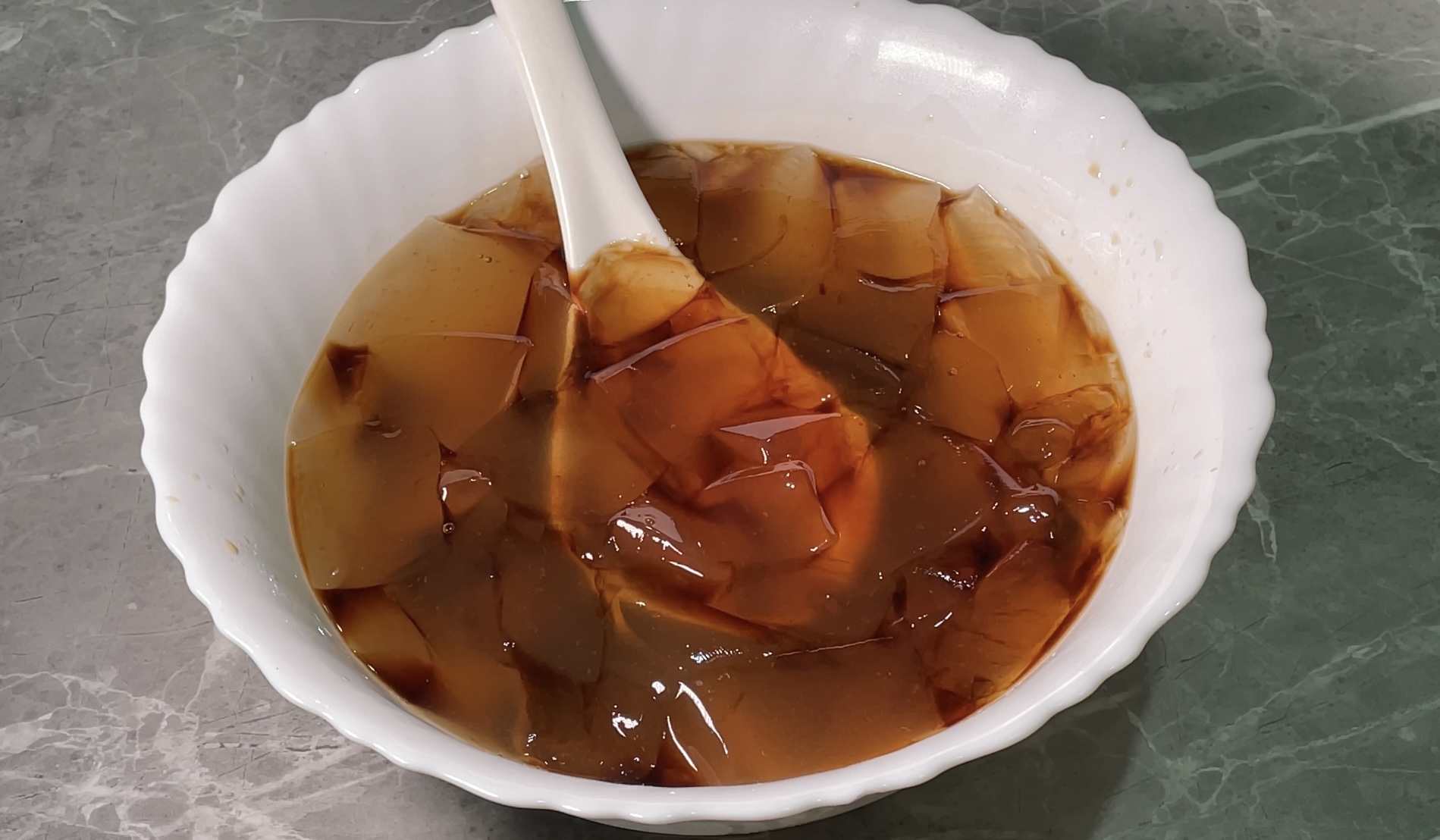
aiyu jelly, desserts, taiwan

Visiting my husband's uncle in Taidong, we discovered some aiyu plants in his garden. It was the first time for me to see the plant and learn about the preparation process. We even got some aiyu seeds to make our own jelly at home.

Aiyu jelly (愛玉凍; àiyùdòng) is a jelly made from the gel extracted from the seeds of the awkeotsang creeping fig, which is found in Taiwan and other East Asian countries with similar climates. The jelly is not commonly made or found outside of Taiwan and Singapore, although it can be purchased fresh in specialty stores in Japan and canned in Chinatowns. Aiyu jelly is also used in Taiwanese cuisine and is popular in the historical town of Ipoh in Malaysia, known as Aiyu Jelly or "wan tau long" in the local Cantonese dialect.
Traditionally, aiyu jelly is served with honey and lemon juice. It can also be added to other sweetened beverages or shaved ice, making it a refreshing drink, particularly during hot summers. Due to the gel's resistance to dissolving in hot water, aiyu is sometimes used as an ingredient in hot pot dishes.

The gelling agent in aiyu seeds is pectin, which is found in the transparent layer on the surface of the seeds. To extract the pectin, the seeds are washed and rubbed rather than ground into a powder. The main component of the water extract is LMP (low methoxy pectin), as opposed to the high methoxy pectins found in commercially used sources such as apples or citrus peels. LMP gels in the presence of divalent cations, which are present in water (when it's not distilled), resulting in the formation of jelly.

aiyu figs vine and fruit, taiwan

aiyu figs fruit peels, taiwan

aiyu figs fruit, taiwan

The origin of Aiyu jelly

According to oral history, the plant and the jelly were named after the daughter of a Taiwanese tea businessman in the 1800s. The jelling property of the seeds was discovered by the businessman as he drank water from a creek in Chiayi. He noticed a clear yellowish jelly in the water and found it refreshing upon tasting it. When he looked above the creek, he saw fruits on hanging vines that contained seeds exuding a sticky gel when rubbed.

Impressed by the discovery, he collected some fruits and served them at home with honeyed lemon juice and sweetened beverages. The jelly-containing beverage became popular and was eventually sold by his 15-year-old daughter, Aiyu. As the snack gained popularity, the businessman named the jelly and the vines after his daughter. However, the Austronesian name "igos," derived from the Spanish word "higo," suggests a possible Austronesian origin for this food.

aiyu figs fruit seeds, taiwan

aiyu figs fruit seeds, taiwan

Harvesting and preparation of jelly 

The fruits of the creeping fig (Ficus pumila var. awkeotsang) resemble large fig fruits about the size of small mangoes and are harvested from September to January, just before they ripen to a dark purple color. The fruits are halved and turned inside out to dry over several days.
To prepare the jelly, the aiyu seeds are placed in a cloth bag and submerged in water. The bag is then rubbed, extracting a slimy gel from the seeds. This process is known as "washing aiyu" in Chinese (洗愛玉). The washed gel is then left to set into a jelly in a cool location or in the refrigerator.

To make aiyu jelly you need about 20g aiyu seeds and 1L water.
Separate the aiyu seeds from the shells.
Place the seeds in a cloth bag and soak them in water for about 5 minutes.
Wash the seeds in water, gently rubbing them for 3 minutes.
During the washing process, the water will become more gelatinous.
Allow the aiyu jelly to set in a cool place or in the fridge.
Cut the jelly into smaller pieces.
Add some sugar syrup and lemon juice, as the jelly itself doesn't have a strong flavor.


making aiyu jelly, taiwan

making aiyu jelly, taiwan

making aiyu jelly, taiwan

making aiyu jelly, taiwan

making aiyu jelly, taiwan

making aiyu jelly, taiwan

making aiyu jelly, taiwan

making aiyu jelly, taiwan

September 19, 2019

Taitung Travel: Coral Museum

Travel Date: 2019/08/31-09/02

While in Taidong, we visited the Coral Museum. Honestly, I probably wouldn't go there again. It's an experience that you can visit once in your life, but it's not a must-do activity. Tickets to the Goryeo Coral Museum cost 100NTD. The museum's opening hours are from 13:30 to 17:00, with the last entrance allowed half an hour before closing time.

Goryeo Coral Museum (綺麗珊瑚博物館)

The museum showcases detailed explanations about corals, including how they are formed, the distinction between gemstones and reef-building corals, and a comprehensive introduction to the variety of gemstones. The museum features various gemstone seascapes and displays works by renowned international masters, such as the prestigious former Chuan Taishan and Lai Rongxing's "Jiangnanchun." One of the highlights of the museum is the world's largest red blood coral, which was captured in the outer sea of Taiwan in 1985, purchased by Japanese buyers, and eventually returned to Taiwan after 20 years. The museum records the significant events in the modern development history of Taiwan's coral industry, highlighting the historical significance and cultural importance of gem coral across different cultures. It also presents the unique connection between coral and religion through precious works of art. Visitors can gain an understanding of the gem coral production process through the physical equipment and tools displayed, observing the meticulous eight-step method from selection to polishing. The museum includes an audio-visual room where visitors can watch educational films about coral knowledge, allowing them to learn about the mining process of gem corals and gain a deeper understanding of the historical development of gem coral in Taiwan. The museum also has a gift department that showcases exquisite coral craft treasures. All the displayed corals are natural gem corals and come with a guarantee and complete after-sales service.

coral museum, taitung, taiwan

coral museum, taitung, taiwan

coral museum, taitung, taiwan

coral museum, taitung, taiwan

coral museum, taitung, taiwan

coral museum, taitung, taiwan

coral museum, taitung, taiwan

coral museum, taitung, taiwan

Address:

950台東縣台東市南島大道502號綺麗珊瑚博物館

September 14, 2019

Taitung Travel: National Museum of Prehistory

Travel Date: 2019/08/31-09/02

I enjoyed walking around and exploring the various exhibitions. The National Taiwan Museum of Prehistoric Culture is quite spacious, and you have the option to purchase tickets specifically for the museum or joint tickets to also visit the Beinan Site. It provides a great opportunity to learn not only about the lives of prehistoric people in Taiwan but also about the aboriginal cultures.

National Taiwan Museum of Prehistoric Culture (國立臺灣史前文化博物館) 

Located in Taitung City, the National Museum of Prehistory is the most significant national museum for anthropological and natural history in Taiwan. It is also the only national museum in eastern Taiwan that focuses on Taiwanese prehistoric culture and aboriginal heritage. The museum encompasses the Beinan site, which covers about 10 hectares and includes the Beinan Relics Park, as well as the Nanke Archaeological Museum in the Tainan Science Park. The building itself was designed and constructed by American architect Michael Graves.

The discovery of the Beinan Cultural Site in July 1980, during the construction of the South Beinan Station (now Taitung Station) by the Taiwan Railway Administration, led to the excavation of a large number of cultural relics. Under the leadership of Professor Song Wenxun and Professor Lian Zhaomei from the Department of Anthropology at National Taiwan University, the excavation became the largest Neolithic excavation site in Taiwan. Through years of rescue, research, and planning, the National Taiwan Museum of Prehistoric Culture was established and showcases three main themes: Taiwan's natural history, Taiwan's prehistoric history, and the cultures of the South Island tribes. While the museum is not directly built on the archaeological site, a Beinan Cultural Park was established to preserve the site.

In April 1989, the Ministry of Education submitted the "National Taiwan Prehistoric Culture Museum Planning Program," which was approved by the Executive Yuan in July of the same year. The Preparatory Office of the National Taiwan Prehistoric Culture Museum was then established on February 1, 1990. In November 1990, the Ministry of the Interior approved the conversion of protected areas near Beinan Station into park land for museum construction. However, due to the expansion of the Beinan site in 1991, large-scale buildings were deemed unsuitable for construction. As a result, the Preparatory Office requested assistance from the Ministry of Education, and a museum construction site in Taiti County was planned.

In 1995, the Institute of History and Philology of the Academia Sinica, commissioned by the National Science Council, conducted a site investigation in the Tainan Science Park. A total of 58 archaeological sites were discovered, along with the newly developed Tainan specific industrial zone and Shugu Industrial Park. The new project for the National Taiwan Museum of Prehistoric Culture began in 1998, and the prehistoric pavilion underwent a trial operation and held an opening ceremony in 2001. The reconstruction of the prehistoric pavilion was completed and officially opened in 2002.

In 2004, the Ministry of Education approved the establishment of the Nanke branch under the Prehistoric Museum. It was also decided to construct the Nandao Cultural Park. In 2007, the Executive Yuan approved the project for the South Branch of the Prehistoric Museum, with a construction budget of NT$1.5 billion. The museum, temporarily named "National Taiwan Museum of Prehistoric Culture, Nanke Archaeological Museum," covers an area of 2.44 hectares. In October 2008, the East Broadcasting Center of the Aboriginal TV Station opened in the prehistoric pavilion, and in 2015, the prehistoric pavilion introduced its first ticket purchase service.

national museum of prehistory, taitung, taiwan

national museum of prehistory, taitung, taiwan

national museum of prehistory, taitung, taiwan

national museum of prehistory, taitung, taiwan

national museum of prehistory, taitung, taiwan

national museum of prehistory, taitung, taiwan

national museum of prehistory, taitung, taiwan

national museum of prehistory, taitung, taiwan

national museum of prehistory, taitung, taiwan

national museum of prehistory, taitung, taiwan

national museum of prehistory, taitung, taiwan

Address:

950台東縣台東市博物館路1號國立臺灣史前文化 博物館