October 27, 2017

Preserving Tradition: The Art of Salt Harvesting in Tainan

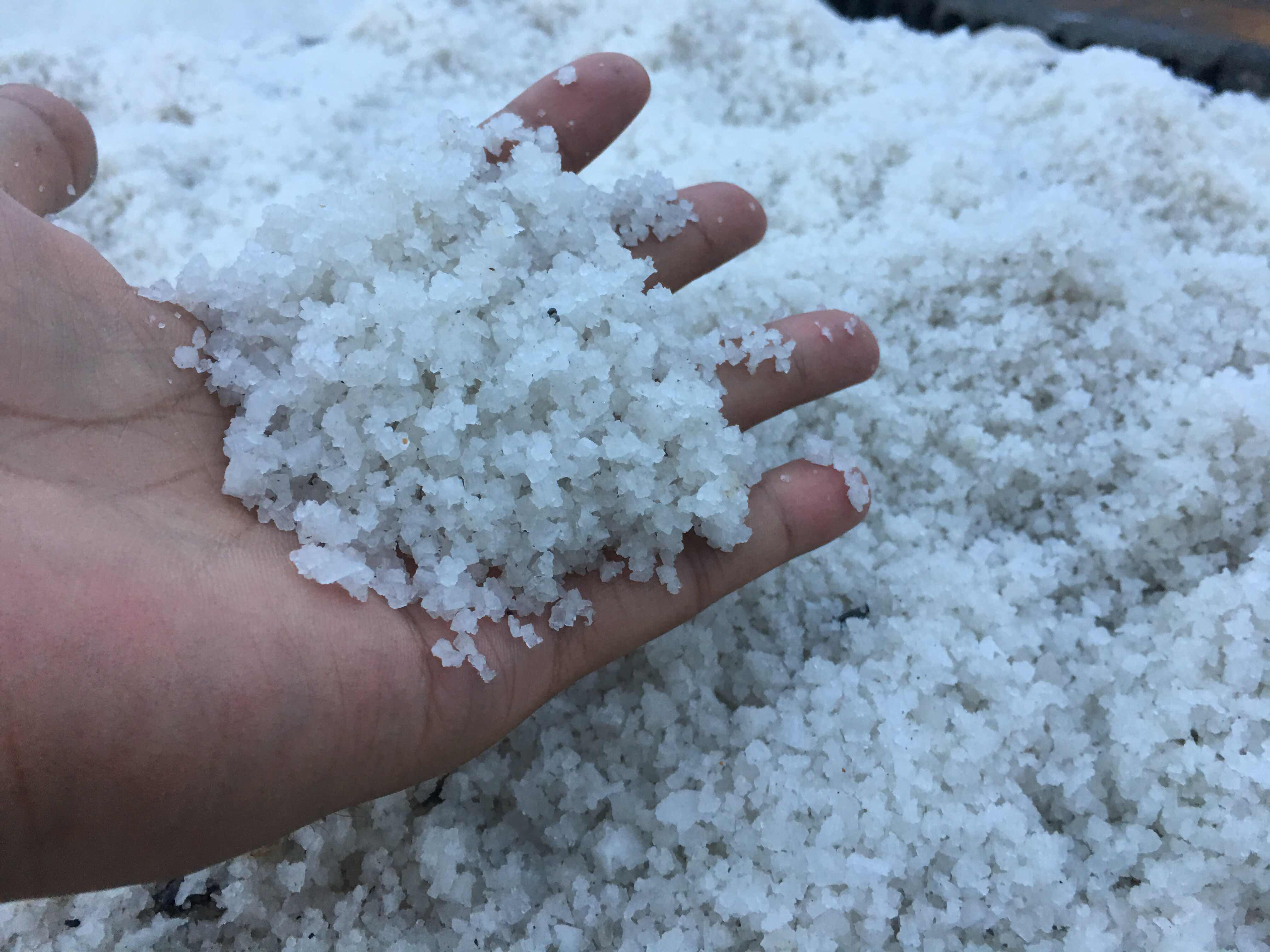
sunset view at Jingzijiao Wapan Salt Fields, beimen, tainan, taiwan

Jingzijiao Wapan Salt Fields (井仔腳瓦盤鹽田)

On our visit to Tainan, we made sure to explore the Jingzijiao Wapan Salt Fields (井仔腳瓦盤鹽田), which is the oldest manual salt production site in Taiwan with a 200-year tradition.

The salt fields are renowned for their picturesque scenery, particularly during sunset, making it a popular spot for photographers. I observed and learned from their photography techniques, despite the cold weather. Many people come here to witness the beauty. The place is open to visitors at all times and admission is free. If you arrive early enough, you can also see around three workers tending to the fields.

The production of salt in Taiwan's coastal areas predates the formal salt production period. Initially, residents boiled seawater to obtain salt or traded with merchants from mainland China. In 1648, the Dutch East India Company imported crushed stones required for salt granulation from mainland China and established salt mines. However, the salt produced here was bitter and unsellable, so Taiwan relied on salt imports from mainland China until the end of Dutch rule. Only local residents continued to produce their own sea salt.

In June 1895, Japan began ruling Taiwan, and the monopoly system was abolished the following month. However, the sudden change resulted in the disintegration of Taiwan's original salt sales network. The salt produced here faced difficulties in finding buyers, and many salt farmers transitioned to sun-drying fields. Consequently, the area of the salt fields reduced from 640 to 203. During World War I, with the growth of Japanese industry, there was an increased demand for industrial salt. To meet this demand, the Taiwan Governor's Monopoly Bureau established the "Taiwan Salt Co., Ltd." in 1919, responsible for salt production, while Dainippon Salt Co., Ltd. handled salt exports to Japan.
sunset view at Jingzijiao Wapan Salt Fields, beimen, tainan, taiwan

sunset view at Jingzijiao Wapan Salt Fields, beimen, tainan, taiwan

Originally, the salt fields were located in Fengshan but were relocated twice due to flooding. Since their establishment in the north of Tainan in 1818 by salt farmers, they have remained in the same location. The area used to be called Yongdong Field. In 1952, the site was redesigned and transformed into a central-style tiled-paved salt field. Another notable attraction in the area is the salt mountain, which visitors can climb to the top, although there may be an entrance fee.

In 2002, many salt fields closed due to high costs, leading to the abandonment of several sites. The management office of the Yunjianan Binhai National Scenic Area has made significant efforts to attract tourists to the area, providing an opportunity for people to experience the traditional salt-making and salt-picking practices.
Salt production involves drawing seawater into salt pans and allowing it to evaporate under the sun for 3-5 days. The salt fields we visited are created by manually laying broken pottery and tile debris onto the crystallizing pond. This method produces purer and clearer salt. Tile-paved salt fields heat up faster, allowing for quicker salt production, while sand-paved salt fields have a slower process but can yield more salt at a lower cost.

During our visit, we observed people working in the fields, which provided us with insights into the local culture. There are also several shops in the area, offering different types of salt and traditional food. Additionally, visitors can climb the viewing tower to enjoy a higher vantage point and take in the surroundings.
The small salt hills surrounded by water and the reflection of the sunset create a truly breathtaking sight. This place has become a unique and captivating landscape. Children can also play in the salt fields, akin to playing with snow. There are two salt fields where they can freely explore and have fun.

sunset view at Jingzijiao Wapan Salt Fields, beimen, tainan, taiwan

Jingzijiao Wapan Salt Fields, beimen, tainan, taiwan


amwf couple, polish taiwanese couple, Jingzijiao Wapan Salt Fields, beimen, tainan, taiwan

Jingzijiao Wapan Salt Fields, beimen, tainan, taiwan

Address:

727台南市北門區西南郊復育鹽田

October 26, 2017

Tainan Travel: The history of Anping District

On the way to Kaohsiung, we decided to make a stop in Tainan and visit the Anping District, which has some interesting historical sites. We purchased tickets to visit multiple places at once to save on costs. The entrance fee for each place is around 50 NTD.

Anping was originally called Tayouan by the Dutch and Portuguese, and there were various versions of the name, including different Chinese transliterations. The Dutch occupied Anping in 1624 and built a defensive fortress, which was completed in 1634. The fortress, initially constructed with sand and wood due to a lack of masonry materials, was named Zeelandia. In 1662, Zheng Chenggong captured the Dutch-controlled city and renamed it Anping Town. He transformed the inner city into the inner government. In 1683, the name Formosa was changed to Taiwan, and Fort Zeelandia served as an international business center during the 17th century when Europeans sailed to Asia for trade. In the same year, the entire island was officially named Taiwan, replacing its previous name of Formosa.

Unfortunately, I encountered a problem with my phone and lost some of the pictures. However, we also visited the museum of Fort Zeelandia, which had a nice exhibition showcasing old vases and other artifacts found on the grounds. Unfortunately, we didn't have a chance to visit Anping Old Street on this occasion as it was very crowded, and we couldn't find any available parking spaces.

anping old fort, fort zeelandia, tainan, Taiwan

anping old fort, fort zeelandia, tainan, Taiwan

Anping Old Fort (安平古堡)

One of the places to visit is Anping Old Fort (安平古堡), also known as Fort Zeelandia. The fort was built in 1634 and took 10 years to complete. It was constructed by the Dutch East India Company during their 38-year rule over the western part of the island. Anping Old Fort became an international business center during the 17th century, attracting European traders. Today, the remaining Dutch-era structures consist of the brick walls in front of the old castle in the south of the city.

 Eternal Gold Castle (億載金城)

Another place to explore is the Eternal Golden Castle (億載金城). Built in 1876, the castle took only 2 years to complete. It was established by Qing officials to defend the island against Japanese invasion. However, during the Japanese occupation, the fortress was not properly maintained. During the Japanese-Russian War, some of the cannons from the Golden Castle were sold to compensate for the economic losses caused by the war. Furthermore, due to advancements in weaponry and changes in military strategies, the fortress lost its military value. Nevertheless, the Japanese government later listed it as a tourist attraction in Fucheng and renovated it, including changing the wooden bridge leading to the fort into a reinforced concrete bridge adorned with stone.

eternal golden castle, fort zeelandia, tainan, Taiwan

eternal golden castle, fort zeelandia, tainan, Taiwan

eternal golden castle, fort zeelandia, tainan, Taiwan

eternal golden castle, fort zeelandia, tainan, Taiwan

Anping Tree House and Tait & Co. Merchant House

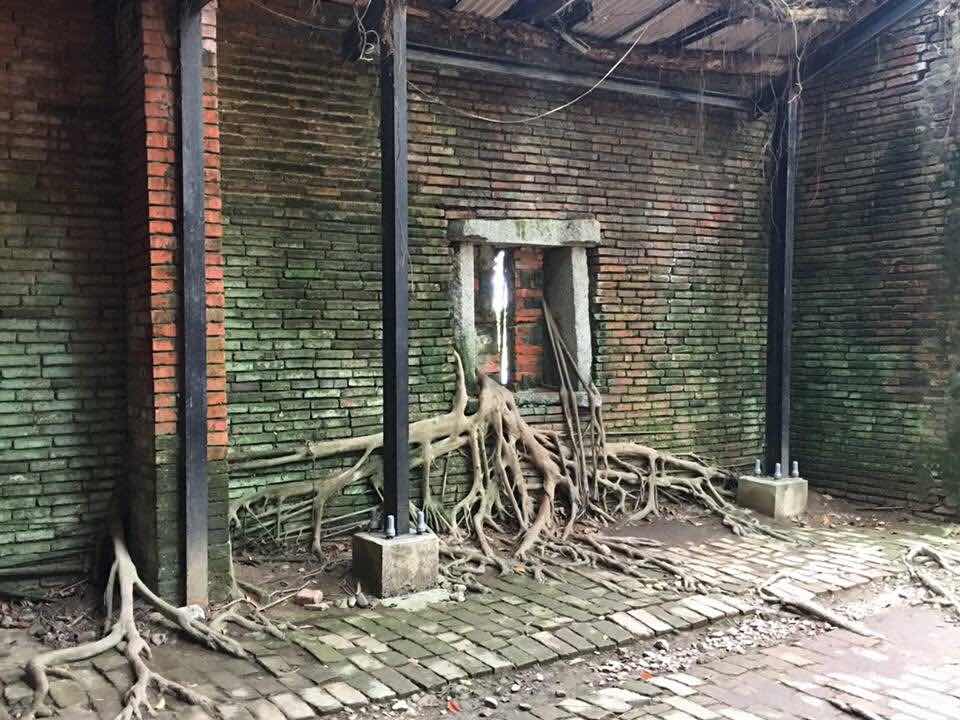
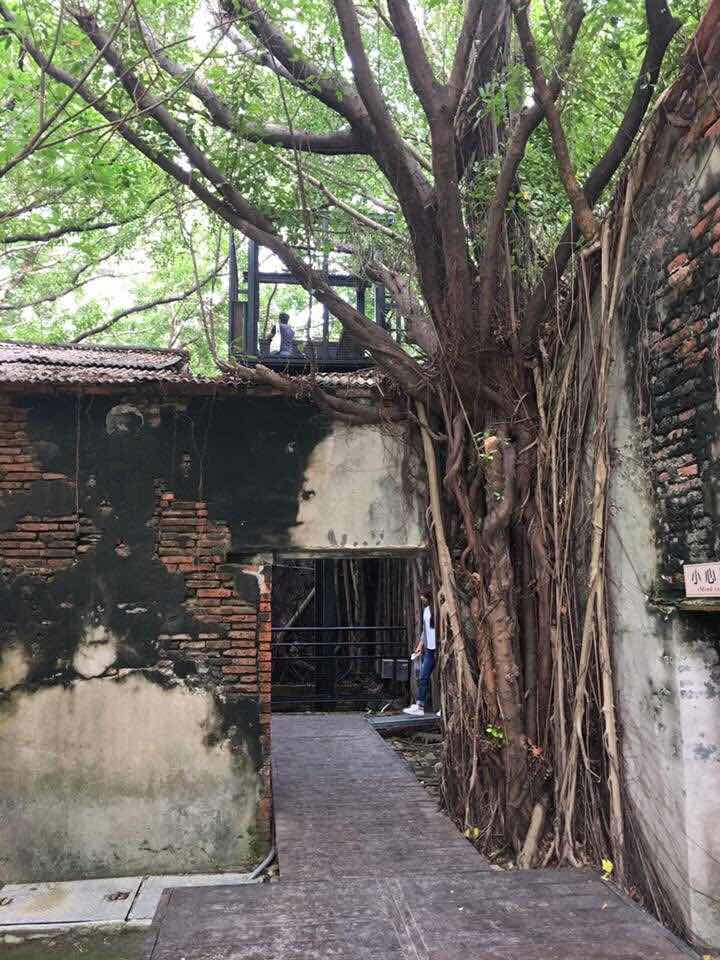
We also visited the Anping Tree House and Tait & Co. Merchant House. Originally a trading company's warehouse in 1867, it later served as the office and warehouse for the Japanese Salt Company in 1911. After World War II, it became the office for the Tainan Salt Field. In 1979, the Tainan Municipal Government took over the building, and with sponsorship from Chi Mei, it was transformed into a museum. Today, the abandoned building is overgrown with banyan trees, giving it an eerie atmosphere reminiscent of a horror movie set. The Anping Tree House has been open to the public since 2004.


anping tree house, fort zeelandia, tainan, Taiwan

anping tree house, fort zeelandia, tainan, Taiwan

Deyang Battleship

Another interesting attraction in Anping is the Deyang Battleship. After its retirement in 1978, the ship was transported and converted into an exhibition. Visitors can explore the ship's interior, view old maps and machinery, and even sit behind the steering wheel to imagine how it operated during its active service.

daeyang battleship, fort zeelandia, tainan, Taiwan

daeyang battleship, fort zeelandia, tainan, Taiwan

daeyang battleship, fort zeelandia, tainan, Taiwan
   

Address: 

1. Anping Old Fort: 708台南市安平區國勝路82號安平古堡
2. Eternal Golden Castle: 708台南市安平區光州路3號億載金城
3. Former Tait & Co. Merchant House: 708台南市安平區古堡街108號英商德記洋行
4. Anping Old Street: 708台南市安平區延平街安平老街

October 12, 2017

Visiting Chimei Museum in Tainan

Chimei Museum (奇美博物館)

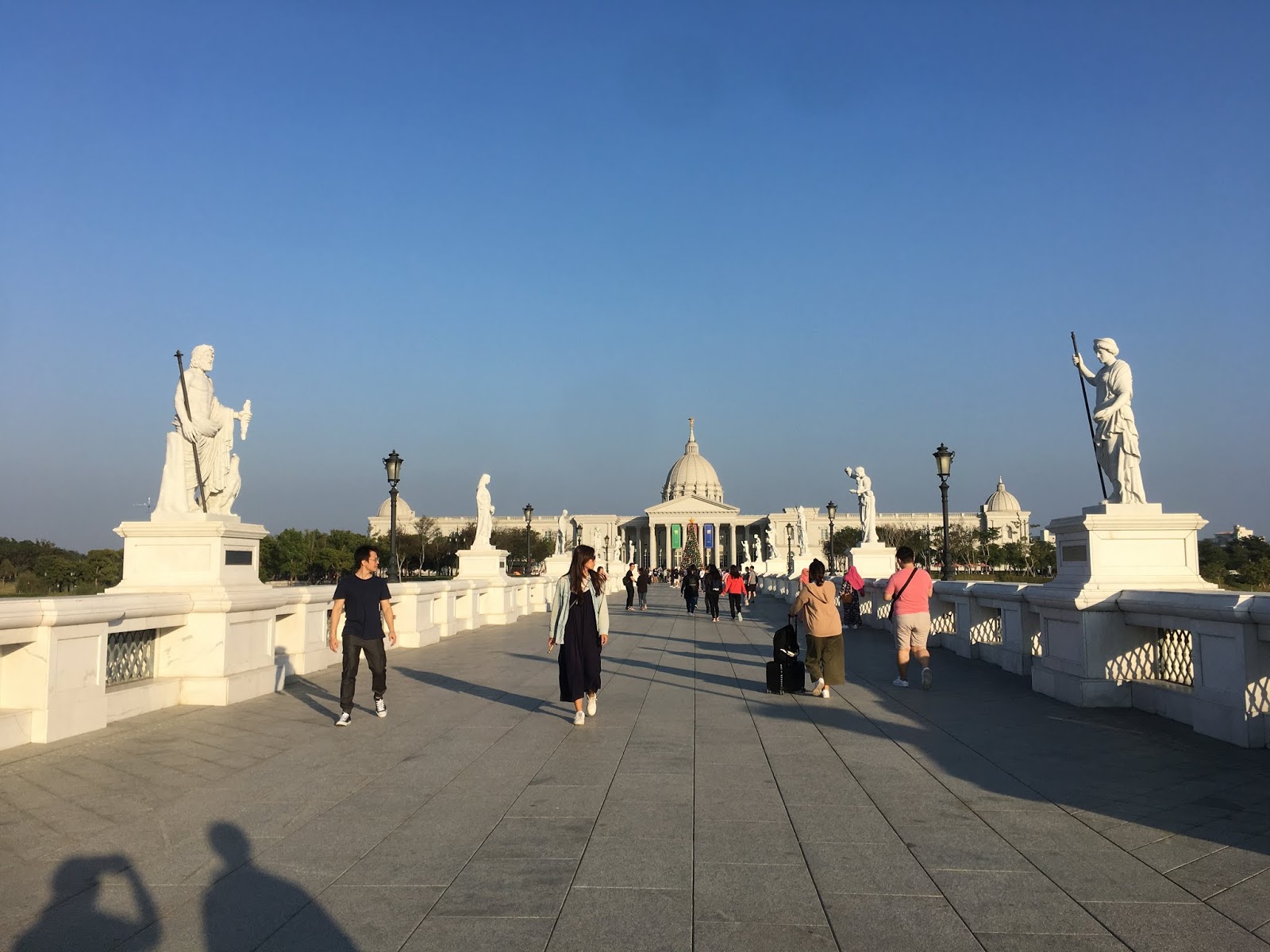
On the way to Kaohsiung, we decided to make a stop in Tainan and visit the beautiful Chimei Museum (奇美博物館). Located in the Rende District of Tainan, the museum was founded by Xu Wenlong, the founder of Chi Mei Industrial. It is the largest private museum and art museum in Taiwan. The museum's collection is based on Western art and is divided into four major fields: art, musical instruments, weapons, and natural history.

In the field of musical instruments, the Chimei Museum has the largest number of violin collections in the world, including masterpieces from major luthiers. The art collection showcases a comprehensive collection of Western paintings and sculptures in Taiwan. The weapons collection displays precious ancient weapons from various countries in Asia, presenting a history of technological evolution through war weapons. The natural history collection boasts the largest collection of animal specimens in Asia, covering mammals and birds from five continents.
The Old ChiMei Museum was officially opened in 1992, utilizing the 5th to 8th floors of the Chi Mei Industrial Building for free public visits. However, the exhibits have been relocated to the new building in the Tainan Metropolitan Park since May 2013. The new building was completed in December 2008 at a cost of NT$1.85 billion. It covers an area of 9.5 hectares and was donated to the Tainan Municipal Government on May 17, 2012. The museum officially opened on January 1, 2015.

Xu Wenlong, inspired by his visits to the Tainan State Education Museum as a child, had a vision to open his own museum when he grew up. After establishing Chi Mei Industrial and developing an interest in art and music, Xu began collecting famous pianos, gradually expanding the field of art collection. In 1977, the Chimei Cultural Foundation was established, followed by the opening of the Chimei Art Museum in 1989. In 1992, the Chimei Museum was established, occupying the 5th to 8th floors of the Chi Mei Industrial Building. It was opened to the public free of charge on April 1 of the same year. The Nankeqimei Museum was established in the Tainan Science Park in 2001 to showcase the history of human evolution from art to machinery. In 2012, the Chimei Group donated the museum buildings in the Tainan Metropolitan Park to the Tainan Municipal Government. The museum and the South Library collection were relocated to the new Metropark, which opened in 2015.

The art collection at the Chimei Museum is primarily focused on Western oil paintings and sculptures. The museum has systematically searched for works from various schools of art history since 1988, including ancient Roman mosaic art, Renaissance, Baroque, Rococo, Neoclassical, Romanticism, and Post-Impressionism. The collection of French paintings and sculptures from the nineteenth century is particularly extensive.
The museum's weapons collection includes Japanese samurai swords from hundreds of years ago, various armors, and more. It encompasses weapons from China, Japan, Europe, ancient India, Persia, Asia, and the Middle East.

The musical instruments collection starts with world-famous pianos and includes two Antonio Stradivari pianos. Notably, one of them is the 1730 cello "Bauer" and the other is the 1722 violin "Yao A-Xue-Ellman." The collection also features two violins by Guarneri del Gesù, namely the 1744 "Ole Bull" and the 1733 "Lafont-Siskovsky." The Guadagnini violin "OleBull," worth about 300 million TWD, is considered a treasure of the Chimei Museum. The collection of violins exceeds 450 in total. In addition to violins, the museum also collects automatic instruments and ancient instruments from around the world, including stringed instruments, wind instruments, keyboard instruments, percussion instruments, and more.
In the automatic instrument exhibition area, there is an American automatic piano from 1920 that is controlled by punched paper rolls, which represent different musical compositions. The rolls control various instruments such as the piano, mandolin, flute, xylophone, drum, castanets, triangle, and bird songs. The exhibition also features three mechanically constructed violin and piano automatic ensemble instruments that simulate the movements of human fingers, bowing, and string playing with exquisite craftsmanship.

To allow more people to enjoy the famous instruments, the Chimei Museum lends violins from its collection to renowned performers such as Ma Youyou, Lin Zhaoliang, Lu Siqing, and Zeng Yuqian. The Chimei Philharmonic Orchestra, established in 2003, holds a concert tour every year. In early 2007, the orchestra was reorganized and renamed the Chimei Philharmonic Orchestra, becoming a regular organization. Orchestra members can also apply to borrow the famous pianos from the museum's collection.
In addition to the art, weapons, and musical instruments, the Chimei Museum also houses ancient artifacts from Egypt, Mesopotamia, Greece, Rome, China, Islam, and Buddhism. The Animal Hall exhibits over 2,000 animal specimens, categorized by regions such as North America, Africa, Arctic, Antarctic, South America, Australia, India, Europe, Asia, Taiwan, as well as birds, fossils, and meteorites.

Chimei Museum, Tainan, Taiwan

Chimei Museum, Tainan, Taiwan

Chimei Museum, Tainan, Taiwan

Chimei Museum, Tainan, Taiwan

Address:

717015台南市仁德區文華路二段66號奇美博物館

October 5, 2017

Changhua Travel: Tianwei Highway Garden - Colorful Bougainvillea

Tianwei Highway Garden (田尾公路花園)

Tianwei Highway Garden is a large botanical recreational area in Changhua, Taiwan. This place is known for producing the most varieties of plants. Tianwei Highway Garden covers an area of 1000 hectares and is located along provincial highway 1. The gardens span two townships - Tianwei and Yongjing.
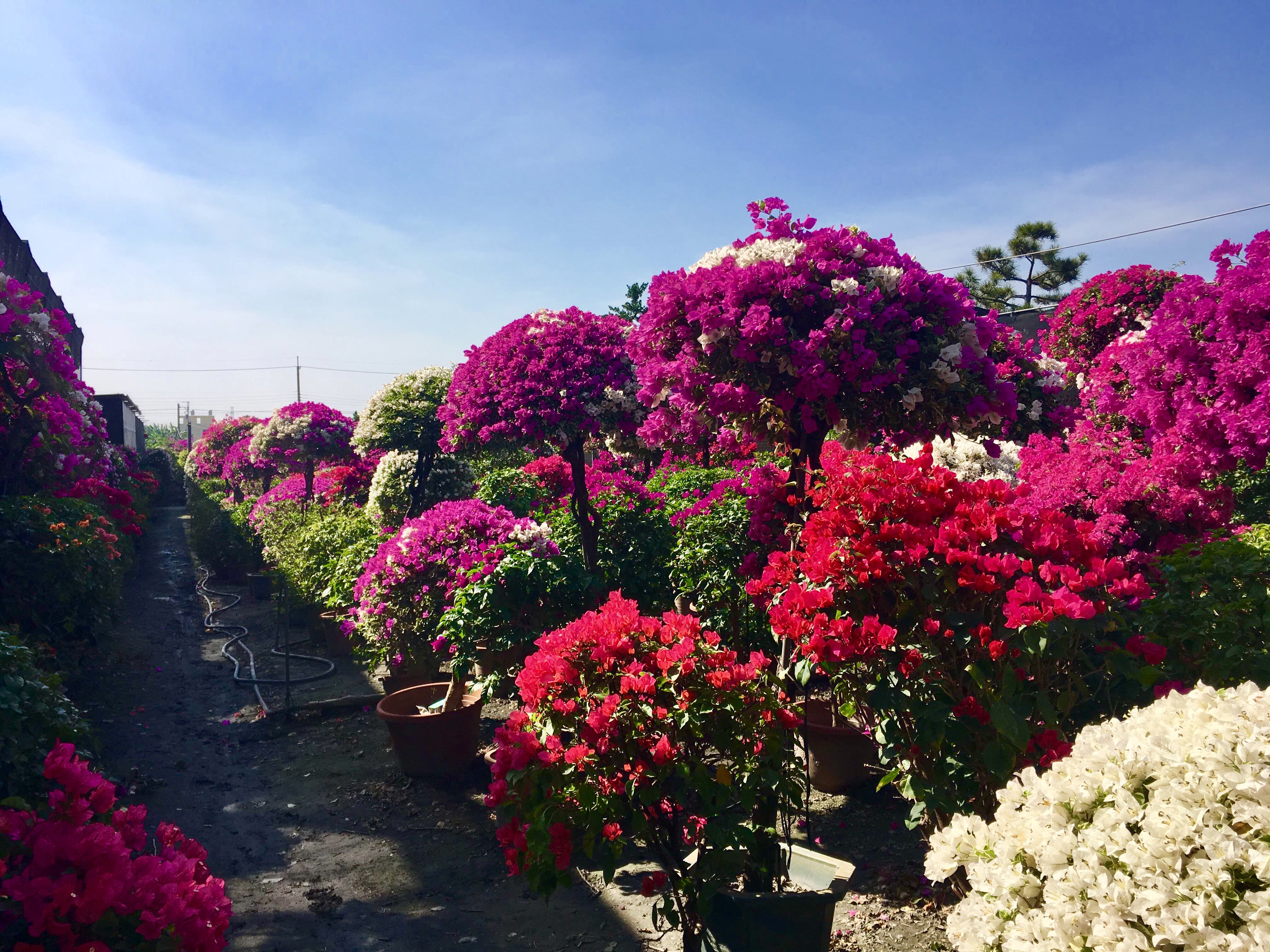
During autumn, bougainvilleas become incredibly colorful. Their flower-like leaves can have different colors such as white, pink, purple, and orange. This plant can grow to be quite tall, reaching up to 12 meters.
If you visit any flower exhibition, you can be sure that the flowers come from Tianwei. In Tianwei, you will find numerous gardens, some of which are incredibly large and specialize in specific types of flowers. You can visit orchid gardens, cactus gardens with over 500 different species, bougainvillea gardens, and many others.

Many people in Tianwei plant different kinds of flowers, trees, and fruit trees, resulting in a vibrant mix of around 100 different plants in one place. You can either buy flowers or simply take a leisurely walk among them, as entry to the gardens is free. Along the streets, you will also find food stalls and souvenir shops. You can find everything you need for your garden, including shops with plenty of decorations, although some of them can be quite expensive. Restaurants and cafes are also available in the area, and some gardens offer special food items like cactus or jabuticaba (Brazilian grapetree) ice creams.
Renting a bike to ride around the gardens is a great idea, especially during the summer when it can be quite hot. The gardens usually open at 8 am and close around sunset. Even at night, you can still enjoy a special view created by lamps that help chrysanthemum flowers grow. If you're a fan of chrysanthemums, the best place to see them is at the Chrysanthemum Festival in Tongluo, Miaoli.


bougeanvilla, tianwei highway garden, changhua, Taiwan

bougeanvilla, tianwei highway garden, changhua, Taiwan

bougeanvilla, tianwei highway garden, changhua, Taiwan

bougeanvilla, tianwei highway garden, changhua, Taiwan

bougeanvilla, tianwei highway garden, changhua, Taiwan

bougeanvilla, tianwei highway garden, changhua, Taiwan

amwf couple, polish taiwanese couple, bougeanvilla, tianwei highway garden, changhua, Taiwa

amwf couple, polish taiwanese couple, bougeanvilla, tianwei highway garden, changhua, Taiwa

bougeanvilla, tianwei highway garden, changhua, Taiwa.

bougeanvilla, tianwei highway garden, changhua, Taiwa

bougeanvilla, tianwei highway garden, changhua, Taiwa

bougeanvilla, tianwei highway garden, changhua, Taiwa

Address:

522彰化縣田尾鄉民族路一段156號田尾公路花園

September 27, 2017

AMWF couple : Gardening and barbeque in Poland

My husband thinks that the countryside where I live looks like one big field. Sometimes you can see houses, but they are often not very close to each other. Everyone has their own place to plant whatever they want, which he really likes. We also bought some seeds, and he planted them in my flower bed. He also wanted to do some garden work and removed some weeds, even though it's not the planting season.

This time, we are mostly busy with paperwork. There are a lot of documents that need to be translated and legalized, and we don't have much time. While getting our Chinese translations, we also visited the botanical garden in Łódź. My husband got to see an old-style countryside house as well. It's already the beginning of the autumn season. Some trees have started turning orange, but mostly everything is still green. There are also a lot of butterflies flying around blooming flowers.

butterfly on flower, garden, Poland

amwf couple, polish taiwanese couple, poland

countryside house, poland

Gardening has a long tradition in Poland. It's a way to relax in the fresh air and spend time with family. Many people have their own gardens and take care of them themselves. People spend a lot of time planting flowers and shrubs, watering the grass, and trimming hedges. We are proud of our gardens! For people who don't have much time, planting fruit trees and conifers is common since they require less attention.

People who take care of their gardens tend to be happier. Engaging in everyday activities definitely improves your health and makes life more beautiful. Gardening doesn't only mean planting flowers or decorative trees; many people also plant vegetables. That's especially popular in rural areas.

My husband envies the fact that people have gardens and can plant whatever they want. He doesn't realize that it's often hard work, especially when planting a lot of vegetables. In the future, he wants to have his own small farm, but it seems difficult in Taiwan. Land is very expensive unless we live in the mountains. We have a friend who does farm work in Nantou, and we sometimes visit him, but my husband hasn't had much chance to do any work except cutting and packing lettuce.

taiwanese boy does gardening, Poland

taiwanese boy does gardening, Poland

One way to relax in the garden is to have a barbecue. People love spending time with family or friends, eating food surrounded by nature. Many women want to get a tan, so it's a good place to stay almost naked without anyone around to see. I mean, if you live in the countryside. Near cities, homes are close together, and people often watch their neighbors too. For many people, it's hard to imagine living in the city without having their own green space and a few pets running freely around.

We also had a barbecue at my aunt's place. It's a different experience than in Taiwan. In Taiwan, people sit by the road on a small plot of land, barbecue, and talk. They don't have dedicated spaces with tables or beautiful barbecue areas like we do in Poland. Also, in Taiwan, it's not an activity for every weekend but something more special, like during the Mid-Autumn Festival.

barbecue, garden, poland

Now that I live in Taiwan, there's no space for even a tiny garden. People keep flowers in pots, often in very small spaces or on balconies. There's also no space to keep pets here. Although life here is convenient, with many shops and restaurants everywhere, in my home in Poland, I have a lot of land that I can use. I enjoy planting flowers, different fruits, and vegetables. I love watching them grow, as they change a little every day. What's better than having your own fruits and vegetables? They are 100% healthy and organic. It's the reward you get for taking care of them all year.

In our free time, we also bought wedding rings. I wanted tohave one, even though we didn't have a formal wedding. My husband doesn't seem to like wearing it... I don't want to force him, but I would be happy if he wore it from time to time. We have collected all the documents for my visa. One of the most important ones we received just two hours before our flight... It was stressful, as we didn't have enough time. I needed to change my ID card, passport, and take care of some other things. All of these processes usually take 2-4 weeks, especially getting a new passport, which can take a long time. Fortunately, everything is done now. We just need to obtain the visa, and then we can finally take a break from all the paperwork.

autumn view, garden, poland

autumn view, orange leaves, garden, poland


September 23, 2017

Poland Travel: I took my husband mushrooms hunting

We went back to Poland for three weeks, and the weather this time was pretty nice. I decided to take my husband mushroom hunting. This year hasn't been too wet in this region, so we probably won't find much. He has never been mushroom picking in the forest before. In Taiwan, no one does that; people only buy mushrooms in shops. I hope it will be a nice experience for him.

Mushroom hunting (in Polish: grzybobranie) is very popular in Poland. It's one of the activities families enjoy from July to September. Even kids enjoy running around the forests, often showing any kind of mushroom they find to their parents. It's like a tradition that has been passed down from our grandparents to our parents and now to us. However, it seems like people might forget about it soon, as kids these days don't want to do it anymore.

People often don't have time, but when the weekend comes, they prepare everything and go mushroom picking, often very early, around 5 am. Why? Everyone wants to be the first to have a chance to find them!
As a kid, I was always excited whenever my family talked about picking mushrooms. I didn't care if it was 5 am or 10 am; every time was good. We often went with a few family members. Older people didn't care, but for us kids, it was kind of a rivalry. Everyone wanted to find more mushrooms than the others. Sometimes we spent a few hours in the forest trying to find any, but there was almost nothing. But we didn't give up because mushrooms grow every day, so every day is another chance to hunt for them.

Poland is rich in forests, which cover 30% of the territory, and most of them are accessible to the public. Many people pick mushrooms to sell them. If you travel around Poland, you will often see people near the road selling mushrooms.
In other countries, it's not as common to pick mushrooms. Why? In many places, you need to pay or there are limits on how many you can pick. And most importantly, people are afraid of picking poisonous mushrooms. Since childhood, I have picked a lot of mushrooms every year, and I would say it's not hard to recognize them. Mostly, I only pick the ones with a sponge under the cap as they are safer. Picking mushrooms is free, and there is no limit on how many mushrooms you can take, so if you are lucky, you will leave the forests with full baskets.

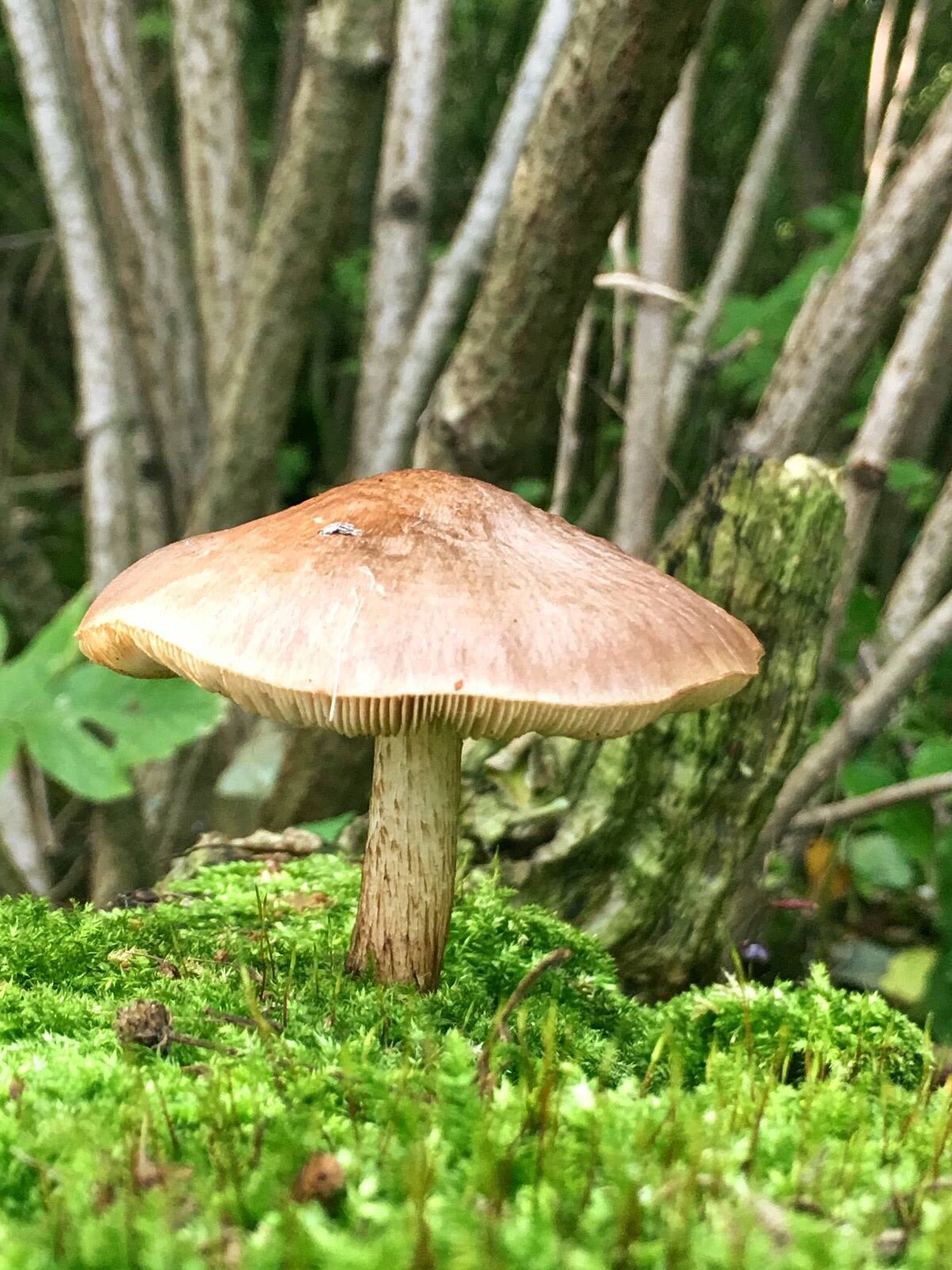
mushrooms, forest, Poland

mushrooms, forest, Poland

mushrooms, forest, Poland

mushrooms, forest, Poland

Unfortunately, we weren't lucky at all! After nearly one hour, we had maybe 10 mushrooms. Such a pity. My husband got bored in the end. Anyway, he found a lot of mushrooms, but they weren't edible (or at least my family never picked them). I still cooked a meal for him using the mushrooms we found because he really likes them.

So, how do people keep mushrooms for a long time? After we clean them (which is the worst part of mushroom hunting), we can freeze them (after cooking them first), dry them, or pickle them. Mushrooms are full of vitamins and minerals, and 100g of mushrooms contain only 15 kcal.
The tradition of homemade pickles has been known in Poland for hundreds of years. We pickle mushrooms with a mixture of boiled water, vinegar, and some spices. They are served as a side dish or as an accompaniment to cold hams or sausages. Unfortunately, it's not as common anymore since we can easily buy them; many people won't waste time making their own.
People here are soup lovers! We have many kinds of soups, and one of them is mushroom soup. You can use fresh or dried mushrooms to make it.It's really easy to make and full of flavor. Mushroom soup is also one of the traditional foods served for Christmas.
Mushrooms can also be used as stuffing for dumplings or cabbage rolls (gołąbki). You can make a very aromatic sauce using them or add them to your salad. There are really many dishes that involve mushrooms!

mushrooms, forest, Poland

mushrooms, forest, Poland