Showing posts with label Sanyi (三義). Show all posts

May 27, 2024

Miaoli One-Day Travel - Part 3: Longteng Bridge, Shengxing Station


Travel Date: 2024/04/20

This time, we embarked on a trip all the way south of Miaoli County. We live in the Toufen Zhunan Area, which is nearby Hsinchu. It was about a 120km scooter ride, leaving us super tired and sunburned, but it was truly enjoyable as we visited several places along the way. Our first stop was Tongxiao Shrine, a beautiful Japanese remnant. We wandered around and then walked to the memorial park above. The view from there was stunning, encompassing a vast expanse of Miaoli County, including the sea and mountains. Since it was noon, we also grabbed some food. The Sichuan-style beef noodles and luwei were particularly tasty.

Afterwards, we continued driving further south, arriving in Yuanli Township, situated on the border of Miaoli and Taichung. The old street was rather empty and not well-known, but there was one ancient house that many people visit. The house was large and exceptionally pretty; the owner kindly guided us around, explaining every little detail.

But our journey didn't end there. From the coastal area, we drove all the way to the mountainside. We passed by Hutoushan, also known as Fire Mountain in English. Though we didn't embark on a climb this time, perhaps we'll do so in the future. We then drove to Longtang Broken Bridge and explored the remains on both sides of the river. Having visited only one side in the past, it was a new experience to see both. From the bridge, we proceeded to Shengxing Station, nestled in the mountains. Though no longer in use, the area boasted several wooden houses, food stalls, and numerous tourists. From here, one can take the little train to Longteng Broken Bridge.

Initially planning to head back home, we realized it was already around the time the night market in Miaoli City opened. As we passed by, we decided to stop and visit the children's park then went on to find some foo. That marked the end of our trip. From the time we set out until we returned home, it had been a journey of around 9-10 hours.

See also:
Tongxiao Shrine LINK
Cai Family's Ancient House LINK

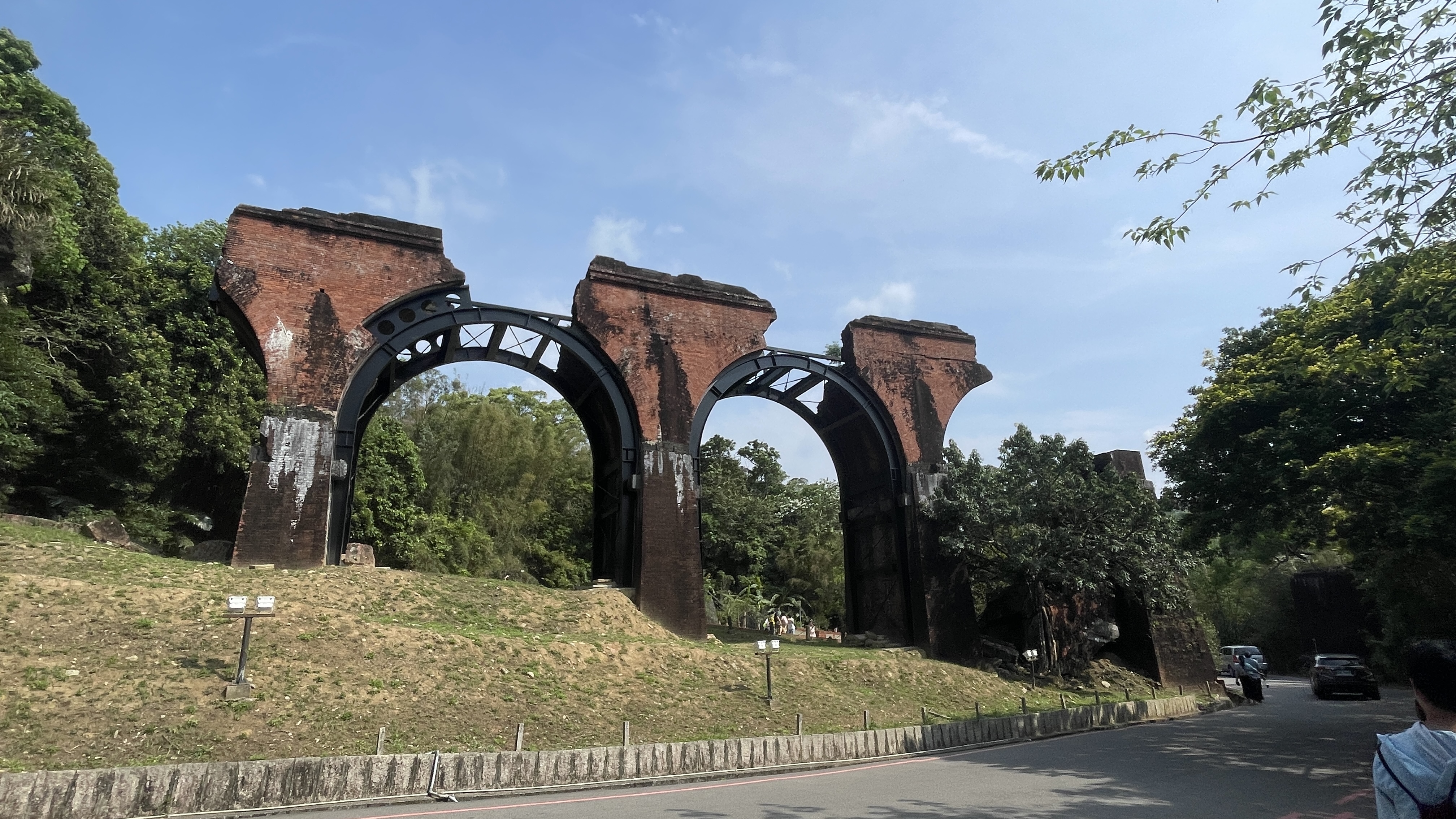
Longteng Broken Bridge (龍騰斷橋(魚藤坪斷橋))

Longteng Broken Bridge, was originally named Yutengping Bridge. It's situated in Longteng Village, Sanyi Township, Miaoli County. Constructed in 1907, just before the inauguration of the through-line railway (later known as the Taichung Line), this bridge is a remarkable fusion of brick, steel plate beams, and truss beams. It represents a pinnacle of engineering technology in early 20th-century Taiwan, earning recognition as a symbol of the nation's industrial progress.
Designed by Hyoutaro Inagaki and overseen by American engineers Theodore Cooper and Charles Conrad Schneider, the bridge spans the Yutengping Creek, a tributary of the Jingshan Creek. Its arches and steel girders showcase a blend of traditional masonry techniques and modern steel construction. Notably, the bricks for the arches were transported from Taipei, a testament to the logistical challenges of construction in remote areas.

The Yutengping Broken Bridge endured significant damage during the Hsinchu-Taichung Earthquake of 1935, rendering it impassable. Subsequent assessments revealed extensive structural issues, prompting authorities to abandon plans for restoration. Instead, a new bridge, the Yutengping Iron Bridge, was constructed nearby in 1938, utilizing modern engineering techniques.
In recognition of its historical significance, the Yutengping Broken Bridge was designated as a cultural heritage site by the Miaoli County Government and the Executive Yuan's Cultural Construction Committee. Despite its designation, the bridge fell into disrepair over the years, exacerbated by natural disasters like earthquakes and typhoons.

Efforts to preserve the bridge gained momentum in the early 2000s, with organizations like the Yu Zhaozhong Foundation advocating for its protection. In 2001, it was named one of the "Top Ten Civil and Historical Sites in Taiwan" by various engineering and cultural institutions. Subsequently, the Miaoli County Government undertook initiatives to reinforce and repair the bridge, culminating in a significant restoration project in 2022.
The restoration project aimed to address structural issues and safeguard the bridge for future generations. However, controversies arose regarding the design of the reinforcement brackets, prompting clarification from local authorities. Despite these challenges, the restoration efforts underscored the bridge's enduring cultural and historical significance.
Today, the Yutengping Broken Bridge stands as a testament to Taiwan's industrial heritage, blending architectural ingenuity with natural beauty. As a designated historic site, it serves as a poignant reminder of the nation's past achievements and the ongoing efforts to preserve its rich cultural legacy.




Shengxing Station (舊山線鐵道自行車-勝興站)

Shengxing Railway Station, nestled in Sanyi Township, Miaoli County, holds the distinction of being the highest point along the Western Railway, boasting an altitude of 402.326 meters above sea level. This historic station, built in 1906, features a wooden structure with a distinctive Japanese-style design, believed to ward off malevolent spirits and invoke blessings.
The station played a pivotal role in the region's transportation network for over a century, witnessing the transition from steam locomotives to modern train operations. During its operational years, it served as a vital stop along the Jiushan Line of the Taiwan Railway Administration.

Over time, as railway routes were altered and modernized, Shengxing Station faced changes in its operational status. After the final southbound train departed on September 23, 1998, signaling the end of an era, the station transformed into a cherished landmark and tourist destination.
Today, visitors to Shengxing Station are greeted with nostalgic scenes. Despite the cessation of regular train services, the station remains steeped in history, preserved as a county-designated historic site since April 16, 1999.
In 2010, the Jiushan Line resumed service, albeit with limited train operations, marking a significant milestone in the station's journey. Special nostalgic train rides, such as the "CK124 Old Mountain Line Style Half-Day Tour," were introduced to celebrate the railway's legacy and promote tourism in the region.

The station's wooden building, adorned with traditional architectural elements, stands as a testament to Taiwan's railway heritage. A stone monument within the station commemorates its lofty altitude, serving as a reminder of the station's significance in the region's transportation history.
Surrounded by attractions like Shengxing Old Street, the Ancient Firewood Trail, and scenic railway routes, Shengxing Station continues to draw visitors seeking to immerse themselves in Taiwan's rich cultural and historical tapestry. As a symbol of resilience and preservation, it stands as a testament to the enduring legacy of Taiwan's railway heritage.


Before making our way back home, we made a brief stop at the children's park and the Miaoli night market. The park featured slides, climbing areas, a sandbox, and adorable Kitty sculptures. Adjacent to the park were two old tanks, adding a unique touch to the surroundings.
I highly recommend trying the BBQ at the park entrance, especially if you enjoy the flavors of Tainan. Additionally, at the opposite corner's entrance, there's BBQ corn available, which is equally delicious.
Despite the enjoyable time, I ended up with quite a sunburn, as the sun remained on the same side of my body throughout the journey back and forth. My legs were particularly red that day - an unintended souvenir of our adventure haha


Address:
1. South Site of the Broken Bridge: 367苗栗縣三義鄉龍騰斷橋
2. North Site of the Broken Bridge: 367苗栗縣三義鄉苗49鄉道
3. Shengxing Station: 367苗栗縣三義鄉83號
4. Children's Park: 360苗栗縣苗栗市玉清路351號
5. Night Market: 360苗栗縣苗栗市英才路

June 16, 2023

Hakka Festivals in Miaoli: Sanyi Cloud Fire Dragon Festival 三義雲火龍


Travel date: 2023/06/10

Sanyi Cloud Fire Dragon Festival (三義雲火龍)

Today, we visited Sanyi Township in Miaoli to witness a unique festival that is exclusively held in this town. The Sanyi Cloud Fire Dragon Festival (三義雲火龍) takes place every summer, but it had been put on hold for the past three years due to the COVID-19 pandemic. This year, it made a comeback!

When we arrived in Sanyi, we didn't have much information about the festival beforehand, so we weren't sure what to expect. The weather wasn't favorable, with cloudy skies and intermittent rain. I even considered skipping the festival. However, my husband knew how excited I was to come here (I had discovered the festival a month ago and marked it on his calendar), so he insisted that we still go.

The dragon parade started at 16:30 and lasted until 19:00, when the dragons reached their final destination. We arrived in Sanyi around 17:30, unaware of the exact route of the parade. We thought of waiting at the final spot, but before that, we went out to find some dinner. We ate at a shop, and although the food was good, we had to rush out when we realized that the parade was passing right by that road. I didn't even finish my meal and don't remember the name of the shop! I quickly joined the parade to witness their activities, while my husband and son joined me later.

Since this festival is not widely known, there weren't many people in attendance. Two dragons paraded down the street, performing dances and prayers along the way. They occasionally stopped, allowing people to take pictures with them. My son and I also took photos and videos with the dragons. The organizers were happy to see us participating (I only saw one other foreigner there).

At around 18:30, the dragon reached the final destination. Government officials gave speeches, and there was a short dance performance. The final ceremony took place at 19:00, during which incense was placed on the dragon. After the ceremony and prayers, the dragons departed. We were about to leave as well when we realized that we had left our umbrella at the restaurant where we had dined. My husband went back, but unfortunately, the umbrella was nowhere to be found. It seems that umbrellas have a tendency to disappear! However, don't worry about leaving other valuable items behind, such as phones, laptops, wallets, or even scooters with the keys in them. Taiwan is generally safe, and people are honest. We have forgotten our keys, phone, and wallet multiple times in the past, walked around for hours, and returned to find everything still there. So, it's quite safe in Taiwan.


Check out my YouTube video


By the way, if you're interested in another dragon-related festival, I recommend visiting the Bombing Dragon Festival in Miaoli, which is a lantern festival tradition of the Hakka people. You can find more information about it in the post: Bombing Dragon Festival.

Sanyi, located in the southern part of Miaoli, is not only known for its wood sculptures but also as a Hakka settlement, with 94% of its residents being Hakka people. The town has preserved the Hakka traditional culture that has been passed down for generations, including the Cloud Fire Dragon Festival.
Since 2007, Sanyi's Shuangtan community has actively promoted this unique Hakka traditional folk custom, integrating it with local rural life and religious beliefs, and making the Sanyi Cloud Fire Dragon one of the distinctive dragon dance cultures among Hakka towns and villages in Taiwan.

The Hakka ancestors originally lived in the Central Plains of China. After they migrated overseas, certain rural folklore activities unique to the Hakka people, such as the "Straw Dragon" or the "Cloud Fire Dragon," gradually faded away. However, this Hakka cultural heritage with a history of over a thousand years somehow made its way to Taiwan from China about 400 years ago. Since then, this cultural tradition has been passed down from generation to generation within Taiwan's Hakka communities, and in recent years, it has become a festival in Sanyi Township, Miaoli County.

In the past, after harvesting their rice crops in the autumn, the Hakka people would weave giant straw dragons using straw knots, bundles, and bamboo chips. These dragons were placed at important intersections in the villages, and during the festival, prayers were offered to honor the Divine Agricultural Deity, Shennong, who is associated with the Five Grains. Incense sticks would be placed all over the straw dragon's body, and when lifted by the dancers during the dance, the dragon would be filled with the fragrance of golden incense. When seen from a distance, it appeared as if the dragon god was leaping in the clouds, thus earning the name "Cloud Fire Dragon."

This religious custom also gave rise to the Hakka people's unique traditions of welcoming the dragon, worshiping the dragon, parading with the dragon, dancing with the dragon, bidding farewell to the dragon, and burning the dragon. Parading the dragon symbolizes well wishes for the local neighborhoods and communities, praying for protection from epidemics and evil.

In the past, the Cloud Fire Dragon would go on two tours each year, with the "fire dragon" touring on the 12th day of the first lunar month and the "water dragon" going on its excursion during the Dragon Boat Festival in the summer. In recent years, these activities have merged into one annual Hakka festival.
The Cloud Fire Dragon embodies the wish for wind and rain to bring auspiciousness and prosperity. During the dragon's tour, it visits local neighborhoods, and every family prepares tea, wine, and eggs to share with relatives and friends as part of the festivities.


January 12, 2019

Maple Trees and Cherry Blossom - Spring in Miaoli

Upon seeing pictures of a beautiful place with maple trees on a Taiwanese blog, we decided to search for it. The place didn't have a specific address, but we knew it was somewhere along Road 130 in Sanyi. We drove to the area, following the road to Yuanli and then back to the Wood Sculptures Museum. Unfortunately, we didn't come across any maple trees, except for a small area near a temple where the trees were mostly green. We asked people for directions, and they informed us that the place we were looking for was on Road 130 from Sanyi to Dahu. Many others were also asking for directions to see the maple trees.

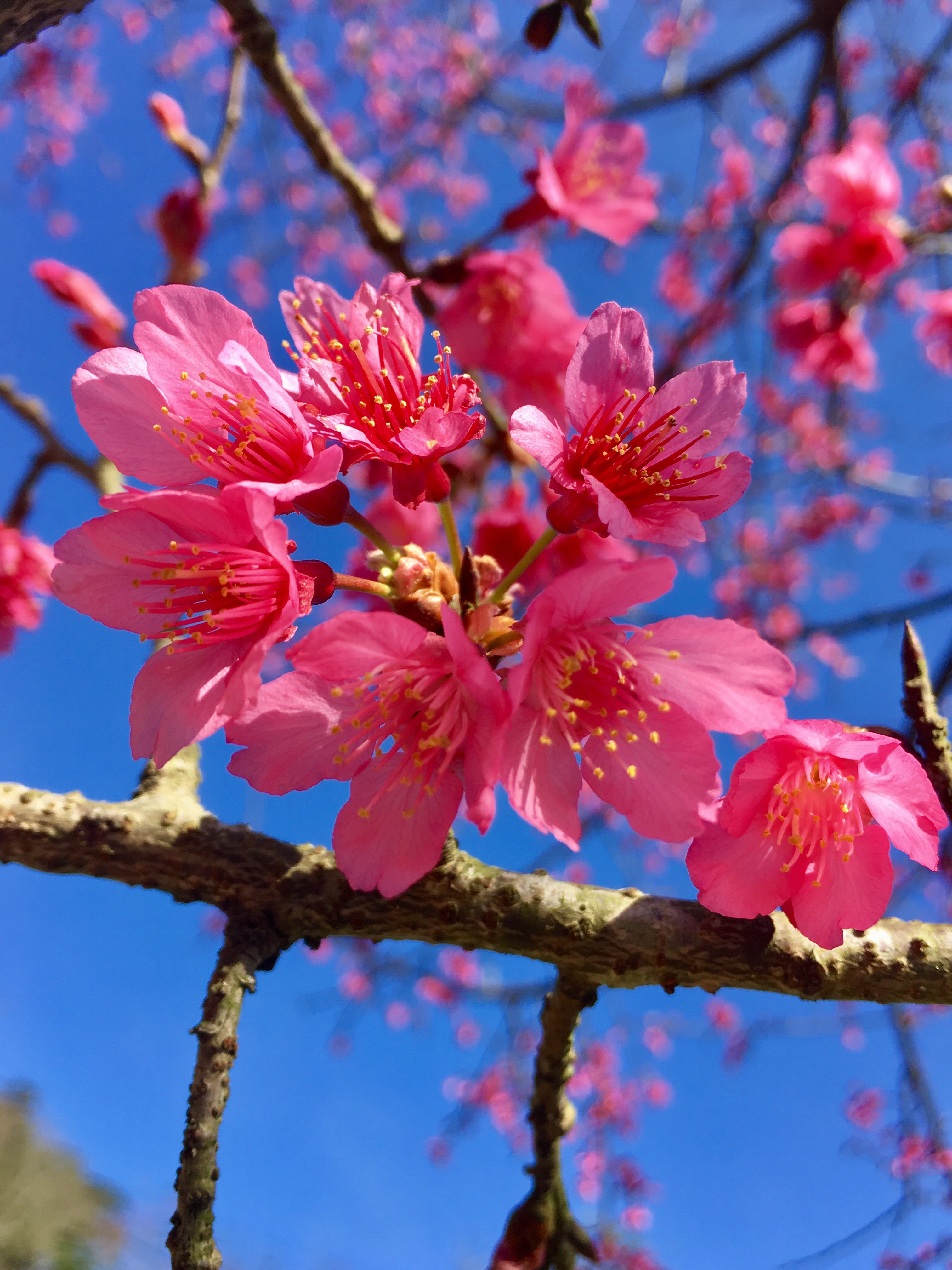
During our drive, we noticed some cherry trees already in bloom. There were also a few maple trees, but most of the leaves had already fallen. Only a few trees still had red leaves, but they were quite high and not easily accessible for taking pictures. We stopped near a hiking trail in our quest to find the secret place but were disappointed to discover that the location from the pictures was nowhere to be found. It's a shame because it seemed like a truly beautiful view. Along this road, we did come across a few spots with cherry blossoms, but I was disappointed that we couldn't see a large number of red maple trees.


red maple trees, Sanyi, dahu, Miaoli, taiwan

red maple trees, Sanyi, dahu, Miaoli, taiwan

red maple trees, Sanyi, dahu, Miaoli, taiwan

cherry blossom, Sanyi, dahu, Miaoli, taiwan

cherry blossom, Sanyi, dahu, Miaoli, taiwan

cherry blossom, Sanyi, dahu, Miaoli, taiwan

cherry blossom, Sanyi, dahu, Miaoli, taiwan

cherry blossom, Sanyi, dahu, Miaoli, taiwan

cherry blossom, Sanyi, dahu, Miaoli, taiwan

Shengxing Station (勝興車站)

Before heading back home, we made a stop at Shengxing Station. This old train station is now a tourist attraction. Built in 1905, it was closed in 1998 due to route changes. Shengxing Station is entirely made of wood in a Japanese style, with no nails used in the construction of each beam. Initially, it was used for transporting coal, fruits, and groceries, but later it also served passengers. In 1999, Shengxing Station was registered as a historical site, and visitors can see various artifacts from the Japanese period.

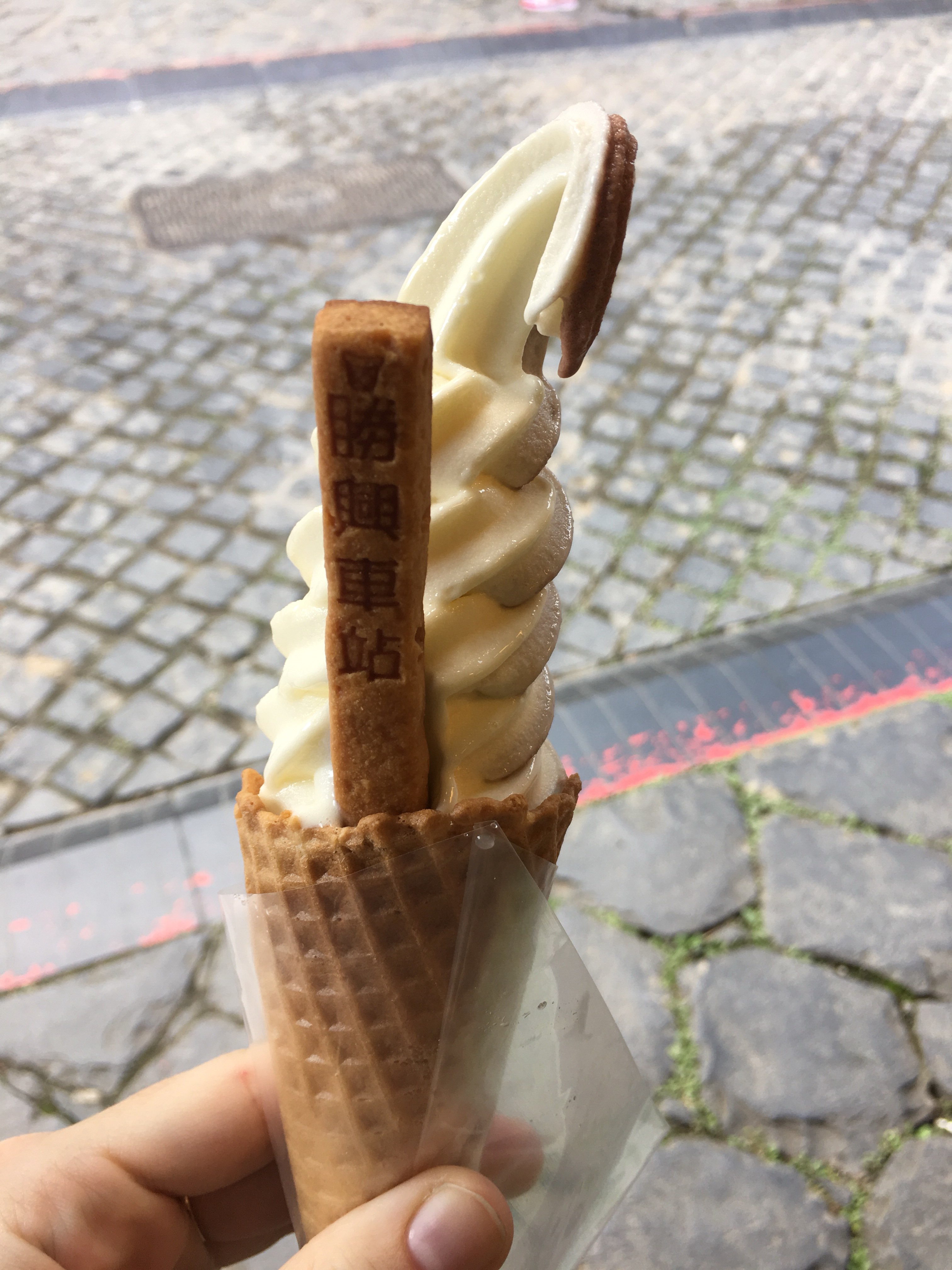
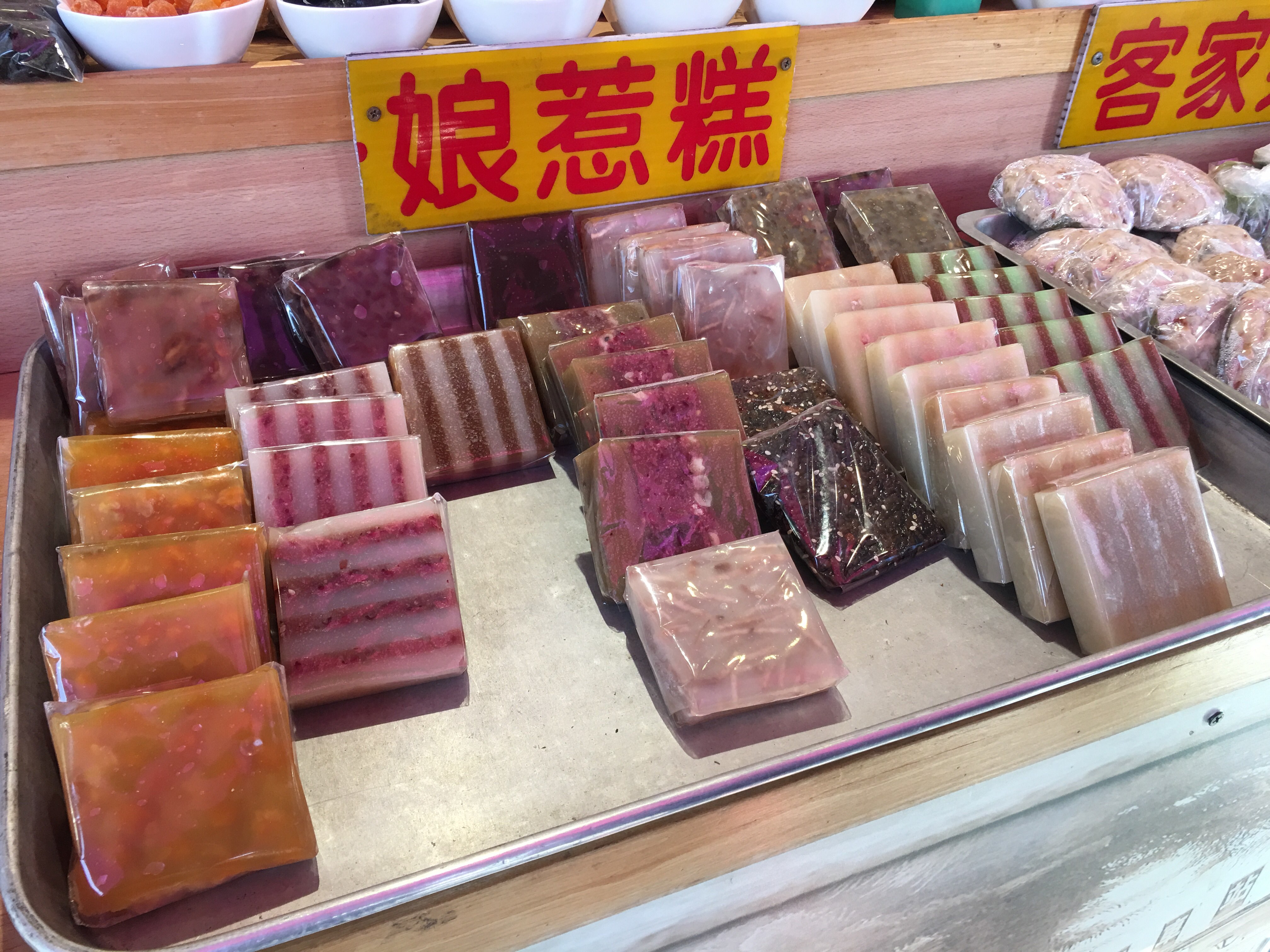
Miaoli County has also established a train route on the old railway, which includes a stop at Longteng Bridge. Steam trains have been operating here since 2010 on special occasions. There are many tea shops in the area where you can make your own tea using different herbs and tea leaves. Additionally, you can find numerous traditional Hakka restaurants offering dishes such as Tea Oil Stewed Pork, Hakka Noodles, Noodle Soup, and Stinky Tofu.

Shengxing Station 勝興車站, sanyi, miaoli, taiwan

Shengxing Station 勝興車站, sanyi, miaoli, taiwan

Shengxing Station 勝興車站, sanyi, miaoli, taiwan

Shengxing Station 勝興車站, sanyi, miaoli, taiwan

food, Shengxing Station 勝興車站, sanyi, miaoli, taiwan

food, Shengxing Station 勝興車站, sanyi, miaoli, taiwan

food, Shengxing Station 勝興車站, sanyi, miaoli, taiwan

food, Shengxing Station 勝興車站, sanyi, miaoli, taiwan

food, Shengxing Station 勝興車站, sanyi, miaoli, taiwan

Address: 

367苗栗縣三義鄉83號勝興車站