November 21, 2017

Yunlin Travel: Visiting the ChengLin Agarwood

Chenglin Agarwood Forest Pavilion (澄霖 沉香 味道森林館 - 雲林景點)

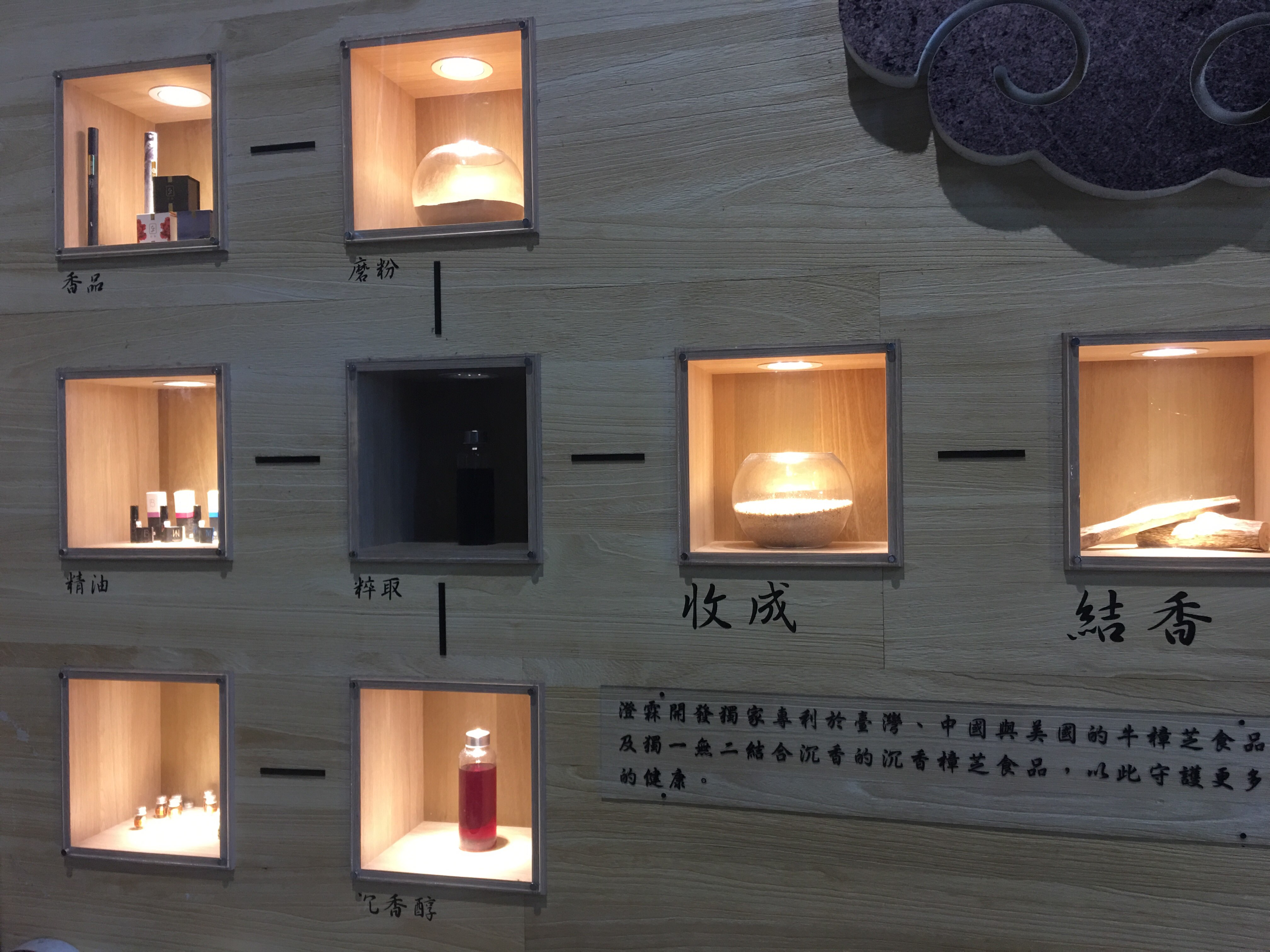
ChengLin Agarwood offers a variety of activities and attractions for visitors to enjoy. One of the main highlights is the landscaping park, where you can take leisurely walks and admire the beautiful bald cypress trees that change colors during the autumn season. The park features ponds surrounded by bald cypress trees, providing a picturesque setting to observe the transition from green to orange hues. There's also a heart-shaped land formation in one of the ponds, which is a popular spot for taking pictures.
The gift shops at ChengLin Agarwood are quite interesting. You can learn about the essential oils extracted from agar trees through informative videos and exhibitions. The videos provide English subtitles, ensuring that you can understand the content. The shops offer a wide range of essential oils, handmade soaps, shampoos, and incense. Before making a purchase, you have the opportunity to try out the products and experience their scents.

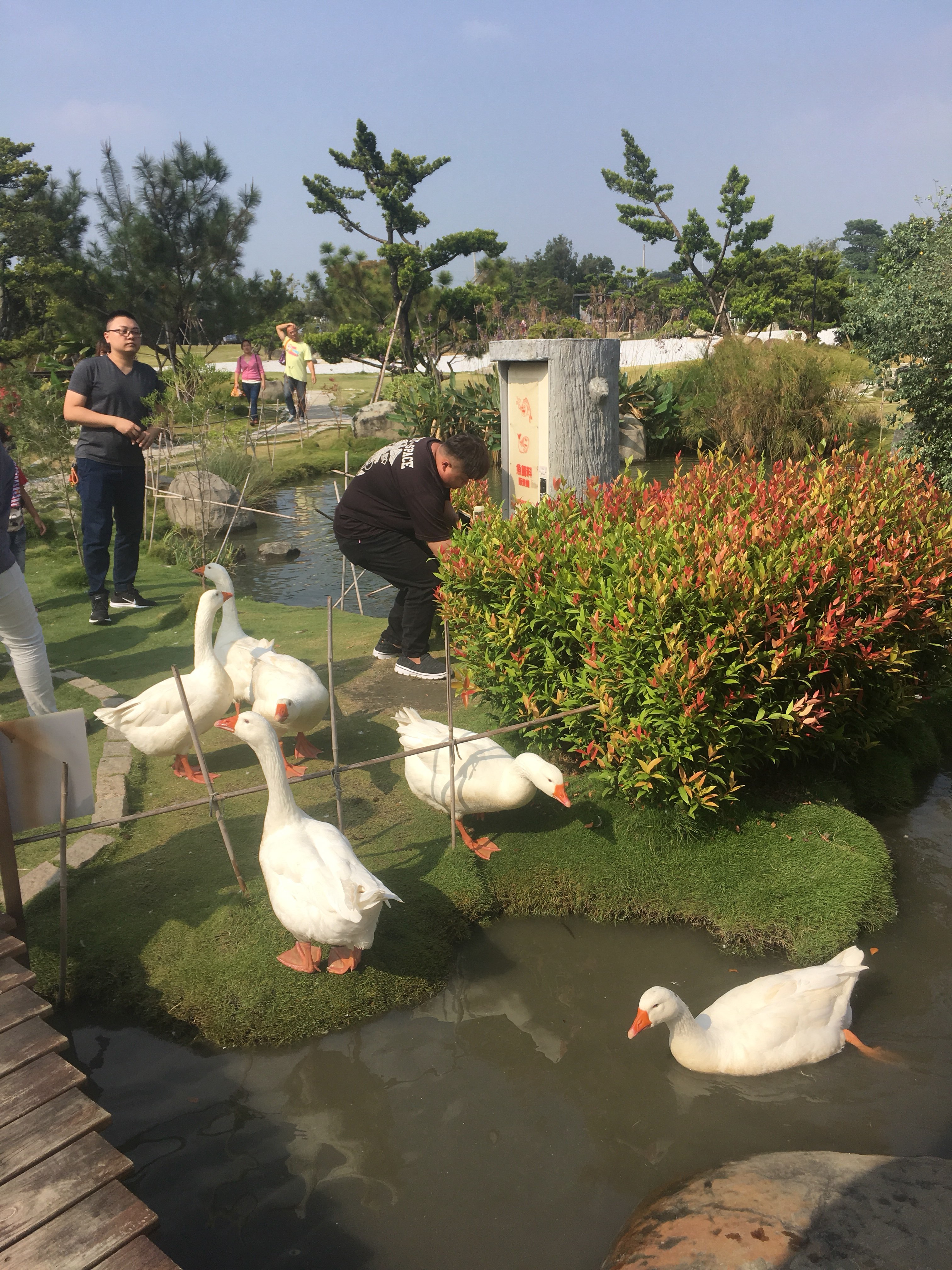
As you walk from the shops to the park, you'll encounter the pleasant aroma of blooming osmanthus bushes along the way. The park itself is expansive and beautiful, with abundant trees and ponds. You can immerse yourself in the serenity of nature, feed ducks, geese, and fish, and even enjoy a panoramic view of the park from a higher vantage point.
ChengLin Agarwood also provides insight into the trees used for making incenses and perfumes. While the introductory video in the shop is in Chinese, it includes English subtitles. Additionally, you can explore their resting area, which offers food and coffee for visitors to enjoy.
The parking fee costs 50NT.

Chenglin Agarwood Forest Pavilion, yunlin, taiwan

Chenglin Agarwood Forest Pavilion, yunlin, taiwan

Chenglin Agarwood Forest Pavilion, yunlin, taiwan

Chenglin Agarwood Forest Pavilion, yunlin, taiwan

Chenglin Agarwood Forest Pavilion, yunlin, taiwan

Chenglin Agarwood Forest Pavilion, yunlin, taiwan

Chenglin Agarwood Forest Pavilion, yunlin, taiwan

Chenglin Agarwood Forest Pavilion, yunlin, taiwan

Chenglin Agarwood Forest Pavilion, yunlin, taiwan

Chenglin Agarwood Forest Pavilion, yunlin, taiwan

Address: 

632雲林縣虎尾鎮惠來75-6號味道森林館

November 19, 2017

Yunlin Travel: Great Buddha of Hushan Temple

Hushan Temple (湖山岩) 

Riding around with my husband, I've seen the huge Buddha sculpture smiling at the city from a hill in Douliou many times. Today is my first time visiting this place.

This Hushan Temple (湖山岩) in Douliou is quite big and looks pretty impressive. It is placed in the mountains, taking up space on both sides of the road. On one side, the temple buildings are really beautiful, with fish ponds, different plants, and various golden statues. The new temple is a two-story palace-style building.
On the other side of the road... it looks like a long-forgotten place.

The temple was built during the Qing Dynasty in 1725 and mainly worships Guanyin Bodhisattva. A giant statue of Guanyin can be found in the main temple. The temple was reconstructed a few times between the 1850s and 1870s. In 1939, it was transformed into a Japanese-style temple.
According to legend, one of the residents was very devoted to Buddhism and once saw the Bodhisattva appearing in the west. After that, he cleared the thorny bushes on the hill and built a small temple. As more and more people came to pray, he renovated the path along the lake and built a two-story palace-style temple downstairs. The Yuantong Hall is dedicated to Guanyin Bodhisattva, and the Daxiong Hall is dedicated to the Thai Jade Buddha. The temple features many decorations in the Thai style, such as elephants.

The temple was renovated between 1948 and 1969. During this period, the road was constructed, a huge Buddha was carved, and the palace-style Daxiong Hall was built. Zen rooms, lecture halls, and living rooms were added to the temple. In 1971, a five-story Hushan Pagoda was also added. In 1993, the county government decided to develop the sightseeing area by building the Buddhist Art Park on the opposite side of the old hall of Hushan Temple.

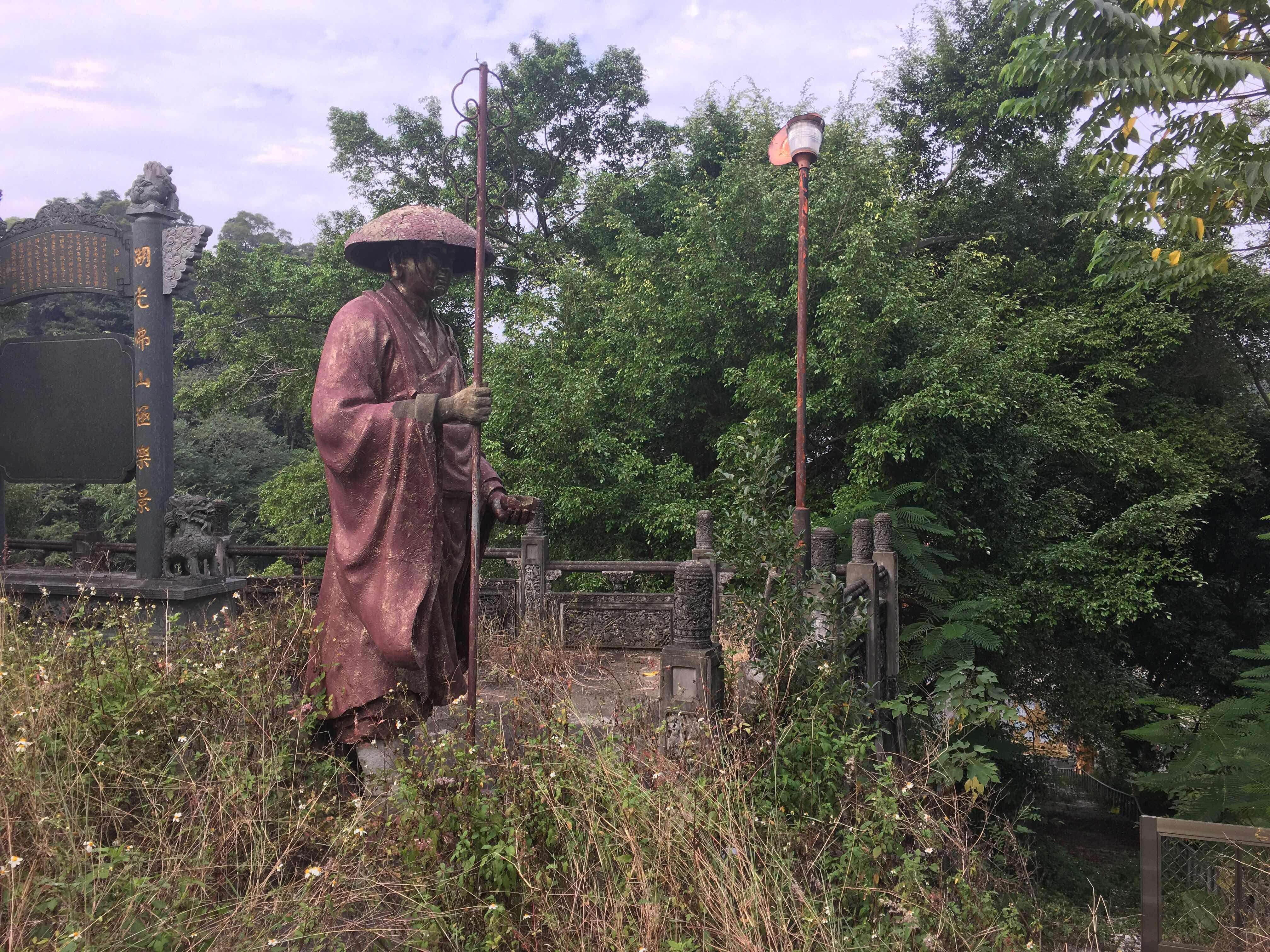
To visit the Great Buddha Sculpture, you need to climb uphill. The park looks quite old and forgotten. You will see many sculptures, both small and large, scattered around. The park is now overgrown, and hardly anyone goes there.
We didn't know that the entrance to see the Great Buddha Sculpture was closed, so we still went to the top of the hill. On the nearby hilltop, you can see a 150-meter-tall statue of Maitreya. The statue is clearly visible from Douliou City and has become the most popular landmark here. Unfortunately, the statue is closed to visitors.


Hushan temple, great Buddha, Douliou, yunlin, taiwan

Hushan temple, great Buddha, Douliou, yunlin, taiwan

Hushan temple, great Buddha, Douliou, yunlin, taiwan

Hushan temple, great Buddha, Douliou, yunlin, taiwan

Hushan temple, great Buddha, Douliou, yunlin, taiwan

Hushan temple, great Buddha, Douliou, yunlin, taiwan

Hushan temple, great Buddha, Douliou, yunlin, taiwan

Address:

640雲林縣斗六市岩山路48號湖山巖湖山寺

November 9, 2017

Kaohsiung Nightscape: The Love River

The Love River (愛河) is a romantic destination. We stopped here on our way home after a trip to Lotus Lake. You can enjoy the city view at night while sipping a cup of coffee and listening to music. There are several coffee shops in the park, and cultural events such as concerts are often held by the river.

The Love River in Kaohsiung, Taiwan, offers picturesque water scenery with its colorful bridges. You can even take a boat ride, as the boats can accommodate about 15 people and navigate up and down the river.
In the past, the river flowed through a wide channel, surrounded by farms. During the Japanese occupation in 1895, the river was transformed into a canal for transporting lumber.
Originally known as the Takao River, the name "Love River" gained popularity after a pair of lovers tragically committed suicide. Since 1972, it has officially been called Love River.

We also visited Kaohsiung Harbor, which was built in 1908 at the mouth of the Love River. We took a ferry to the other side, which was much quicker than driving. The area is well-known for its street food, especially seafood.
Kaohsiung is a truly beautiful city and well worth a visit. Lonely Planet was right to include it as one of the top 10 travel destinations.

love river, Kaohsiung, taiwan

love river, Kaohsiung, taiwan

love river, Kaohsiung, taiwan

love river, Kaohsiung, taiwan

love river, Kaohsiung, taiwan

love river, Kaohsiung, taiwan

Kaohsiung harbour, taiwan

Kaohsiung harbour, taiwan

Kaohsiung harbour, taiwan

Kaohsiung harbour, taiwan

Address:

Love River: 801高雄市前金區河東路188-1號愛河

November 3, 2017

Kaohsiung Travel: Lotus Lake ~ Dragon and Tiger Pagodas

We decided to visit Kaohsiung after reading an article by Lonely Planet, which ranked it as the 5th best city in the world to visit in 2018. Since it's only a 2-hour drive from our place, we thought it would be a great opportunity to explore and discover what interesting attractions the city has to offer.

Dragon and Tiger Pagodas (龍虎塔)

One of the notable attractions we visited was the Dragon and Tiger Pagodas (龍虎塔), situated on Lotus Lake in Kaohsiung. Lotus Lake (蓮池潭) is a man-made lake that was opened in 1951 in the Zuoying District. The lake is quite large and also features other temples such as the Spring and Autumn Pavilions (春秋閣), Confucius Temple, and Pei Chi Pavilion.
The Dragon and Tiger Pagodas were constructed in 1976 and are affiliated with the Cihji Palace, which is located across the street. The Cihji Palace dates back to the 17th century and served as a military base during the Japanese rule. At that time, the patron saints were relocated to another location. In 1959, the temple construction was completed, and all the sculptures were brought back to the site. In 1974, Baosheng Dadi ordered the construction of the Dragon and Tiger Pagodas, which were completed in two years.

In Chinese culture, the dragon symbolizes strength and power. Dragons are believed to have control over water, including rain and floods. The dragon is also one of the 12 Chinese zodiac signs, and people born in the Year of the Dragon are considered to be smarter and more blessed than others. The tiger, on the other hand, is a symbol of righteousness and harmony and is regarded as the king of all animals.
As you approach the temple, there is a sign instructing visitors to enter through the dragon's mouth and exit through the tiger's mouth. It is believed that entering through the dragon's mouth helps rid one of bad luck and brings an increase in good luck. Inside the temple, you can admire various Buddhist and Taoist paintings.

Due to fatigue from walking and the less-than-ideal weather conditions, my husband started feeling tired. We had parked about 2.5 km away from the Dragon and Tiger Pagodas, making the walk quite challenging. As a result, we decided to skip the other temples around Lotus Lake to avoid exhausting ourselves further. Our only other stop for the day will be Love River. Hopefully, in the future, we will have the chance to return to Kaohsiung and explore more of its attractions.

dragon and tiger pagodas, lotus pond, kaohsiung, taiwan

dragon and tiger pagodas, lotus pond, kaohsiung, taiwan

dragon and tiger pagodas, lotus pond, kaohsiung, taiwan

dragon and tiger pagodas, lotus pond, kaohsiung, taiwan

dragon and tiger pagodas, lotus pond, kaohsiung, taiwan

dragon and tiger pagodas, lotus pond, kaohsiung, taiwan

lotus pond, kaohsiung, taiwan

Address: 

813高雄市左營區蓮潭路9號龍虎塔

October 27, 2017

Preserving Tradition: The Art of Salt Harvesting in Tainan

sunset view at Jingzijiao Wapan Salt Fields, beimen, tainan, taiwan

Jingzijiao Wapan Salt Fields (井仔腳瓦盤鹽田)

On our visit to Tainan, we made sure to explore the Jingzijiao Wapan Salt Fields (井仔腳瓦盤鹽田), which is the oldest manual salt production site in Taiwan with a 200-year tradition.

The salt fields are renowned for their picturesque scenery, particularly during sunset, making it a popular spot for photographers. I observed and learned from their photography techniques, despite the cold weather. Many people come here to witness the beauty. The place is open to visitors at all times and admission is free. If you arrive early enough, you can also see around three workers tending to the fields.

The production of salt in Taiwan's coastal areas predates the formal salt production period. Initially, residents boiled seawater to obtain salt or traded with merchants from mainland China. In 1648, the Dutch East India Company imported crushed stones required for salt granulation from mainland China and established salt mines. However, the salt produced here was bitter and unsellable, so Taiwan relied on salt imports from mainland China until the end of Dutch rule. Only local residents continued to produce their own sea salt.

In June 1895, Japan began ruling Taiwan, and the monopoly system was abolished the following month. However, the sudden change resulted in the disintegration of Taiwan's original salt sales network. The salt produced here faced difficulties in finding buyers, and many salt farmers transitioned to sun-drying fields. Consequently, the area of the salt fields reduced from 640 to 203. During World War I, with the growth of Japanese industry, there was an increased demand for industrial salt. To meet this demand, the Taiwan Governor's Monopoly Bureau established the "Taiwan Salt Co., Ltd." in 1919, responsible for salt production, while Dainippon Salt Co., Ltd. handled salt exports to Japan.
sunset view at Jingzijiao Wapan Salt Fields, beimen, tainan, taiwan

sunset view at Jingzijiao Wapan Salt Fields, beimen, tainan, taiwan

Originally, the salt fields were located in Fengshan but were relocated twice due to flooding. Since their establishment in the north of Tainan in 1818 by salt farmers, they have remained in the same location. The area used to be called Yongdong Field. In 1952, the site was redesigned and transformed into a central-style tiled-paved salt field. Another notable attraction in the area is the salt mountain, which visitors can climb to the top, although there may be an entrance fee.

In 2002, many salt fields closed due to high costs, leading to the abandonment of several sites. The management office of the Yunjianan Binhai National Scenic Area has made significant efforts to attract tourists to the area, providing an opportunity for people to experience the traditional salt-making and salt-picking practices.
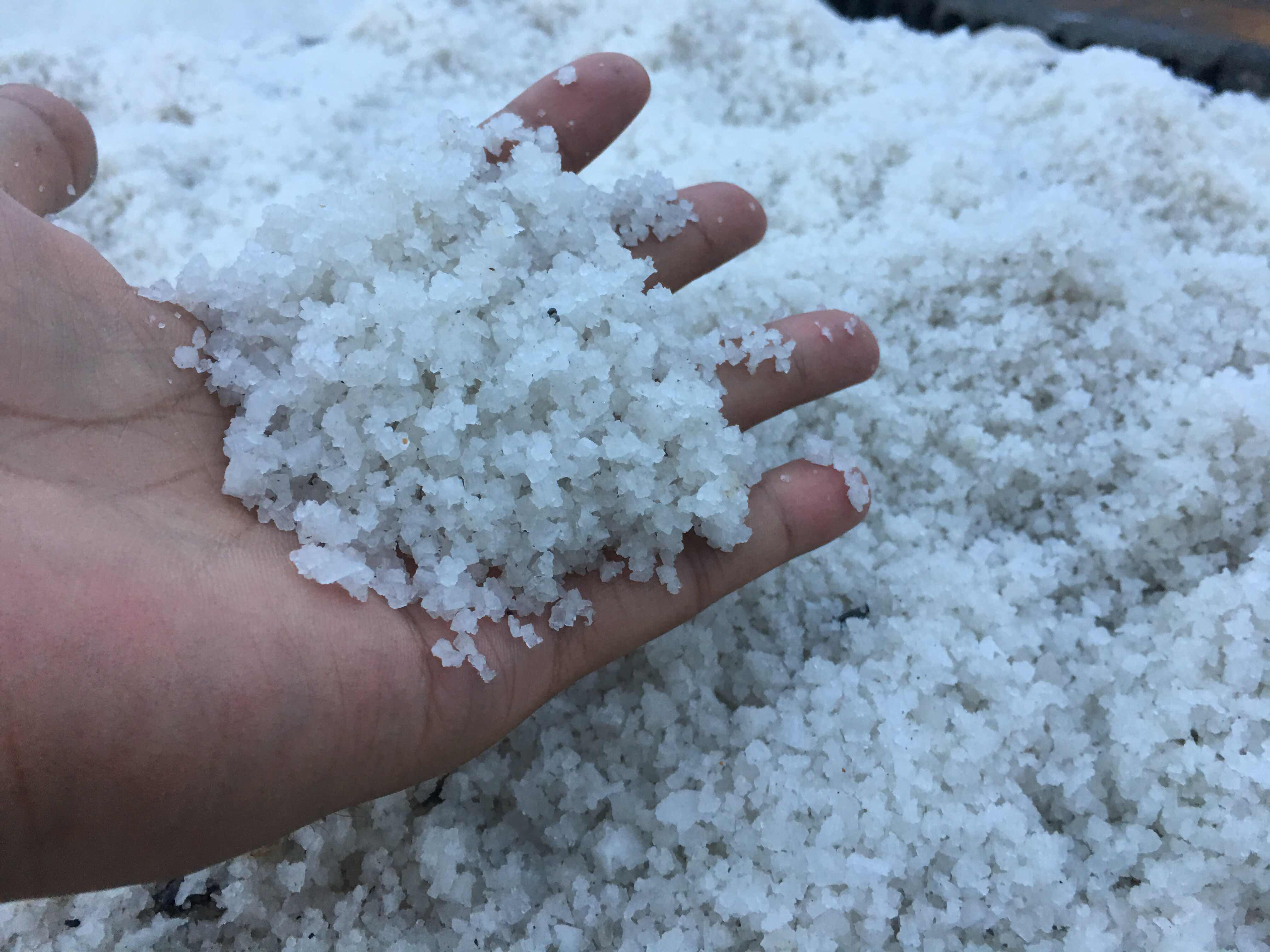
Salt production involves drawing seawater into salt pans and allowing it to evaporate under the sun for 3-5 days. The salt fields we visited are created by manually laying broken pottery and tile debris onto the crystallizing pond. This method produces purer and clearer salt. Tile-paved salt fields heat up faster, allowing for quicker salt production, while sand-paved salt fields have a slower process but can yield more salt at a lower cost.

During our visit, we observed people working in the fields, which provided us with insights into the local culture. There are also several shops in the area, offering different types of salt and traditional food. Additionally, visitors can climb the viewing tower to enjoy a higher vantage point and take in the surroundings.
The small salt hills surrounded by water and the reflection of the sunset create a truly breathtaking sight. This place has become a unique and captivating landscape. Children can also play in the salt fields, akin to playing with snow. There are two salt fields where they can freely explore and have fun.

sunset view at Jingzijiao Wapan Salt Fields, beimen, tainan, taiwan

Jingzijiao Wapan Salt Fields, beimen, tainan, taiwan


amwf couple, polish taiwanese couple, Jingzijiao Wapan Salt Fields, beimen, tainan, taiwan

Jingzijiao Wapan Salt Fields, beimen, tainan, taiwan

Address:

727台南市北門區西南郊復育鹽田

October 26, 2017

Tainan Travel: The history of Anping District

On the way to Kaohsiung, we decided to make a stop in Tainan and visit the Anping District, which has some interesting historical sites. We purchased tickets to visit multiple places at once to save on costs. The entrance fee for each place is around 50 NTD.

Anping was originally called Tayouan by the Dutch and Portuguese, and there were various versions of the name, including different Chinese transliterations. The Dutch occupied Anping in 1624 and built a defensive fortress, which was completed in 1634. The fortress, initially constructed with sand and wood due to a lack of masonry materials, was named Zeelandia. In 1662, Zheng Chenggong captured the Dutch-controlled city and renamed it Anping Town. He transformed the inner city into the inner government. In 1683, the name Formosa was changed to Taiwan, and Fort Zeelandia served as an international business center during the 17th century when Europeans sailed to Asia for trade. In the same year, the entire island was officially named Taiwan, replacing its previous name of Formosa.

Unfortunately, I encountered a problem with my phone and lost some of the pictures. However, we also visited the museum of Fort Zeelandia, which had a nice exhibition showcasing old vases and other artifacts found on the grounds. Unfortunately, we didn't have a chance to visit Anping Old Street on this occasion as it was very crowded, and we couldn't find any available parking spaces.

anping old fort, fort zeelandia, tainan, Taiwan

anping old fort, fort zeelandia, tainan, Taiwan

Anping Old Fort (安平古堡)

One of the places to visit is Anping Old Fort (安平古堡), also known as Fort Zeelandia. The fort was built in 1634 and took 10 years to complete. It was constructed by the Dutch East India Company during their 38-year rule over the western part of the island. Anping Old Fort became an international business center during the 17th century, attracting European traders. Today, the remaining Dutch-era structures consist of the brick walls in front of the old castle in the south of the city.

 Eternal Gold Castle (億載金城)

Another place to explore is the Eternal Golden Castle (億載金城). Built in 1876, the castle took only 2 years to complete. It was established by Qing officials to defend the island against Japanese invasion. However, during the Japanese occupation, the fortress was not properly maintained. During the Japanese-Russian War, some of the cannons from the Golden Castle were sold to compensate for the economic losses caused by the war. Furthermore, due to advancements in weaponry and changes in military strategies, the fortress lost its military value. Nevertheless, the Japanese government later listed it as a tourist attraction in Fucheng and renovated it, including changing the wooden bridge leading to the fort into a reinforced concrete bridge adorned with stone.

eternal golden castle, fort zeelandia, tainan, Taiwan

eternal golden castle, fort zeelandia, tainan, Taiwan

eternal golden castle, fort zeelandia, tainan, Taiwan

eternal golden castle, fort zeelandia, tainan, Taiwan

Anping Tree House and Tait & Co. Merchant House

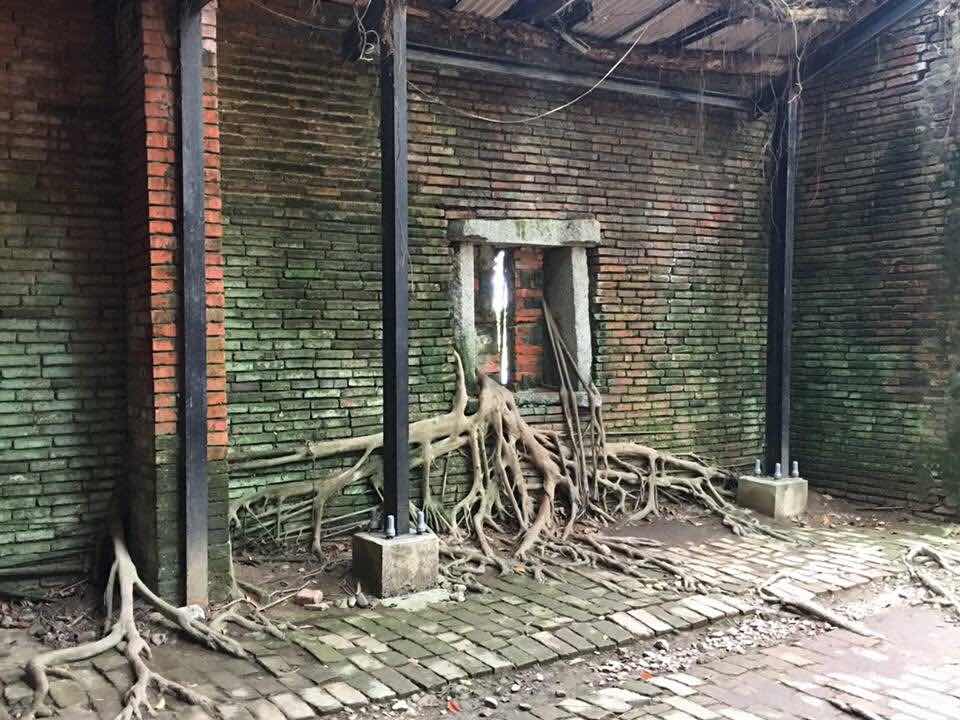
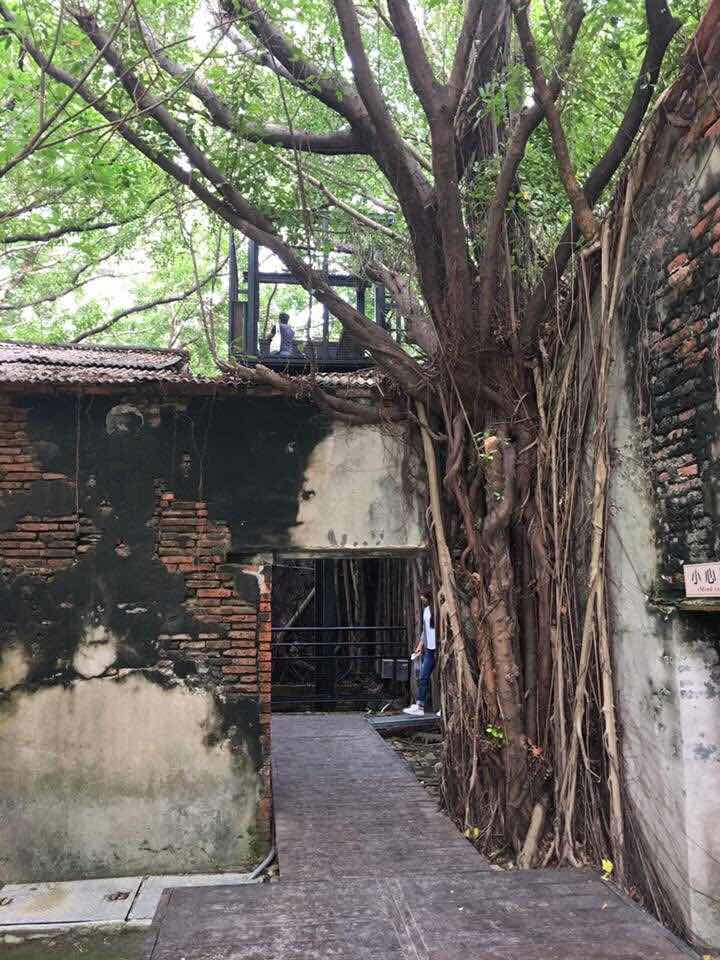
We also visited the Anping Tree House and Tait & Co. Merchant House. Originally a trading company's warehouse in 1867, it later served as the office and warehouse for the Japanese Salt Company in 1911. After World War II, it became the office for the Tainan Salt Field. In 1979, the Tainan Municipal Government took over the building, and with sponsorship from Chi Mei, it was transformed into a museum. Today, the abandoned building is overgrown with banyan trees, giving it an eerie atmosphere reminiscent of a horror movie set. The Anping Tree House has been open to the public since 2004.


anping tree house, fort zeelandia, tainan, Taiwan

anping tree house, fort zeelandia, tainan, Taiwan

Deyang Battleship

Another interesting attraction in Anping is the Deyang Battleship. After its retirement in 1978, the ship was transported and converted into an exhibition. Visitors can explore the ship's interior, view old maps and machinery, and even sit behind the steering wheel to imagine how it operated during its active service.

daeyang battleship, fort zeelandia, tainan, Taiwan

daeyang battleship, fort zeelandia, tainan, Taiwan

daeyang battleship, fort zeelandia, tainan, Taiwan
   

Address: 

1. Anping Old Fort: 708台南市安平區國勝路82號安平古堡
2. Eternal Golden Castle: 708台南市安平區光州路3號億載金城
3. Former Tait & Co. Merchant House: 708台南市安平區古堡街108號英商德記洋行
4. Anping Old Street: 708台南市安平區延平街安平老街